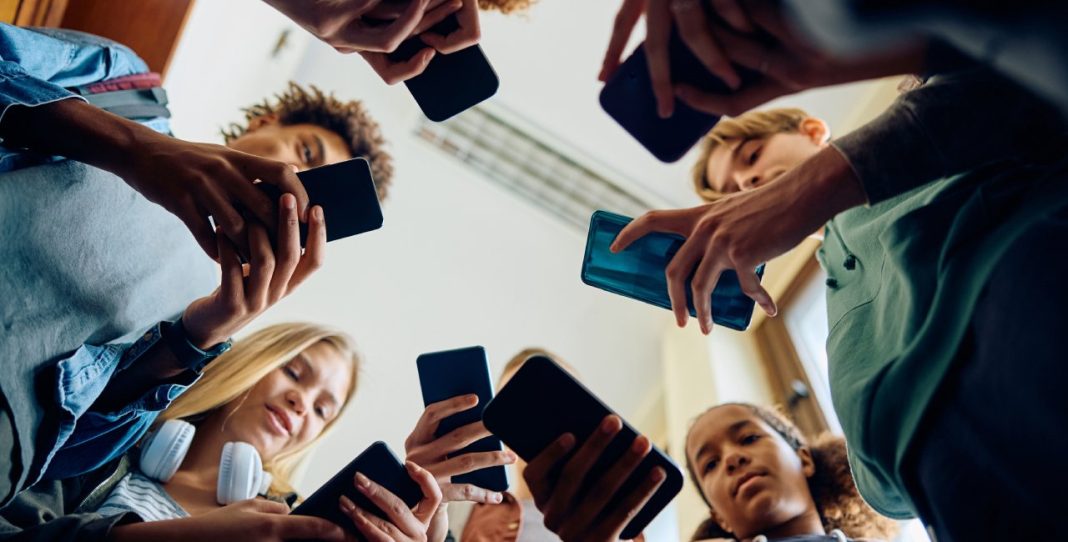

The Czech Republic is considering implementing a ban on mobile phones in schools during breaks, taking inspiration from neighboring Slovakia. This proposed regulation aims to improve student focus and social interaction while reducing distractions.
Current Mobile Phone Policies in Czech Schools

In recent years, the presence of mobile phones in classrooms has become a topic of debate in the Czech Republic. While many schools currently allow students to use their phones during breaks, there are growing concerns about the impact on student concentration and social skills. Educators and parents alike have voiced their opinions, prompting discussions on potential regulatory changes.
Some schools in the Czech Republic have already taken steps to limit phone usage by implementing policies that restrict access during class time but still allow it during recess. These existing policies have shown mixed results, with some educators reporting improved student interaction while others find enforcement challenging.
Slovak Initiative as a Model

Slovakia recently introduced a ban on mobile phones in schools during both instructional periods and breaks. This initiative sparked interest across the region, as Slovak authorities reported positive outcomes, including increased student engagement and a noticeable improvement in classroom behavior.
The success of the Slovak model has caught the attention of Czech policymakers, who are now evaluating the feasibility of implementing a similar approach. By drawing on Slovakia’s experiences, Czech educational authorities hope to devise a strategy that balances technological benefits with the necessity of personal interaction and focused learning.
Potential Benefits for Czech Students
Advocates of the phone ban in Czech schools argue that reducing phone usage during school hours could yield several benefits. Increased face-to-face interaction among students may foster stronger social skills and collaboration, essential for their future professional lives. Additionally, minimizing distractions during breaks could enhance students’ ability to concentrate during lessons, leading to better academic outcomes.
Moreover, by limiting phone access, students may engage more in physical activities and outdoor interactions during breaks, contributing to healthier lifestyles and reducing screen time. These potential benefits present a compelling case for the proposed regulation.
Challenges and Considerations

While there are potential advantages to banning phones during breaks, challenges remain. Enforcing such a policy could prove difficult, as students accustomed to unrestricted phone use may resist the change. Ensuring compliance without infringing on personal freedoms is a delicate balance for school administrations.
Furthermore, the policy may require additional resources, such as staff training and awareness programs, to effectively communicate and enforce the new rules. Schools must also consider the role of technology in education, ensuring that any limits on phone usage do not hinder educational opportunities that rely on mobile technology.
The Road Ahead
As discussions continue, the Czech government is expected to consult with educators, parents, and students to gauge public opinion and refine the proposal. The outcome of these deliberations will ultimately shape the future of mobile phone policies in Czech schools and potentially set a precedent for other countries in the region.
The decision to model after Slovakia’s ban reflects a growing regional trend toward enhancing educational environments by controlling digital distractions. The ongoing discourse marks an important step in adapting educational policies to the challenges of the digital age.
Source: Official Slovak Education Ministry website.