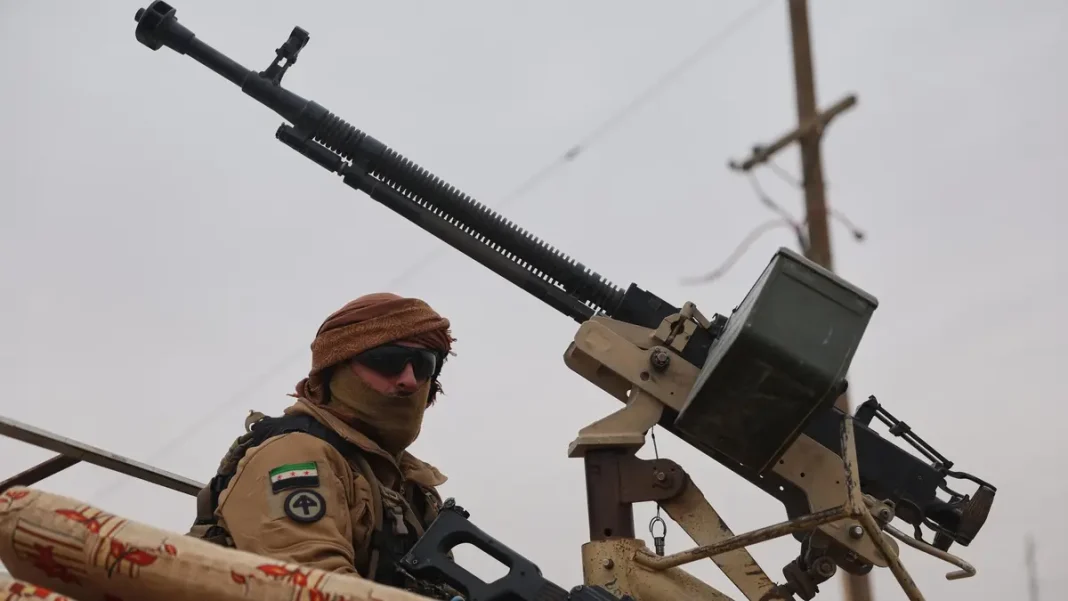

Recent developments in the Middle East have seen the transfer of Islamist prisoners from Syria to Iraq by American forces, amidst a renewed ceasefire agreement between Damascus and Kurdish forces. This move reflects ongoing geopolitical dynamics and strategic collaborations in the region.
Background of the Prisoner Transfer

The transfer of Islamist prisoners from Syrian detention centers to facilities in Iraq underscores the complex security issues that continue to challenge the region. With numerous jihadi fighters captured during conflicts with ISIS, these transfers are part of broader efforts to manage security risks and streamline the detention process. The prisoners, including those considered high-risk due to their involvement in terrorist activities, are moved as part of ongoing coalitional efforts led by the United States.
This action follows prior collaborations between U.S. forces and regional allies who seek to address the challenges posed by detainees associated with ISIS. These transfers are intended to prevent escapes and potential re-radicalization in overcrowded camps, aiming for greater stability in both Syrian and Iraqi territories.
The Damascus-Kurdish Ceasefire Agreement

In parallel with the prisoner transfer, Damascus and Kurdish forces have renewed their ceasefire agreement. This agreement reflects a mutual recognition of the need for reduced hostilities as both sides face external pressures and internal challenges. The ceasefire is seen as a pragmatic step aimed at de-escalating tensions in areas of Northern Syria where both sides have previously clashed.
The truce also provides a framework for potential future cooperation or dialogue, aimed at addressing critical humanitarian issues and the rebuilding of war-torn communities. External actors continue to monitor the situation closely to ensure compliance and to support efforts at maintaining peace.
Implications for Regional Stability

The prisoner transfer and the renewed ceasefire carry significant implications for regional stability. By moving high-profile detainees to more secure locations, the U.S. and its allies aim to mitigate risks associated with potential prison breaks and insurgencies. This helps contain the spread of extremist ideologies and offers a strategic advantage in anti-terror operations.
Ceasefires involving key actors like the Kurdish forces and Syrian government can also contribute to a more stable political landscape, promoting conditions conducive to longer-term peace initiatives. However, the region remains volatile, with numerous factors influencing the fragile balance.
International Reactions and Future Prospects

International reactions to these developments have been mixed, with some countries expressing cautious optimism that such steps could lead to improved security outcomes. Others remain skeptical, pointing to past ceasefires that have been short-lived or ineffective. These actions acquire particular importance in the broader context of Middle Eastern geopolitics, where international players have vested interests.
Looking ahead, sustained international engagement and local cooperation will be essential. Continued dialogue between Damascus, Kurdish representatives, and international coalitions is vital for the region’s peace building endeavors. The success of these initiatives could pave the way for further diplomatic breakthroughs.
In conclusion, while the current actions of transferring prisoners and establishing truce agreements are positive steps, their long-term impact remains to be seen. Continued vigilance and cooperation will be necessary to foster lasting peace and security in the region.