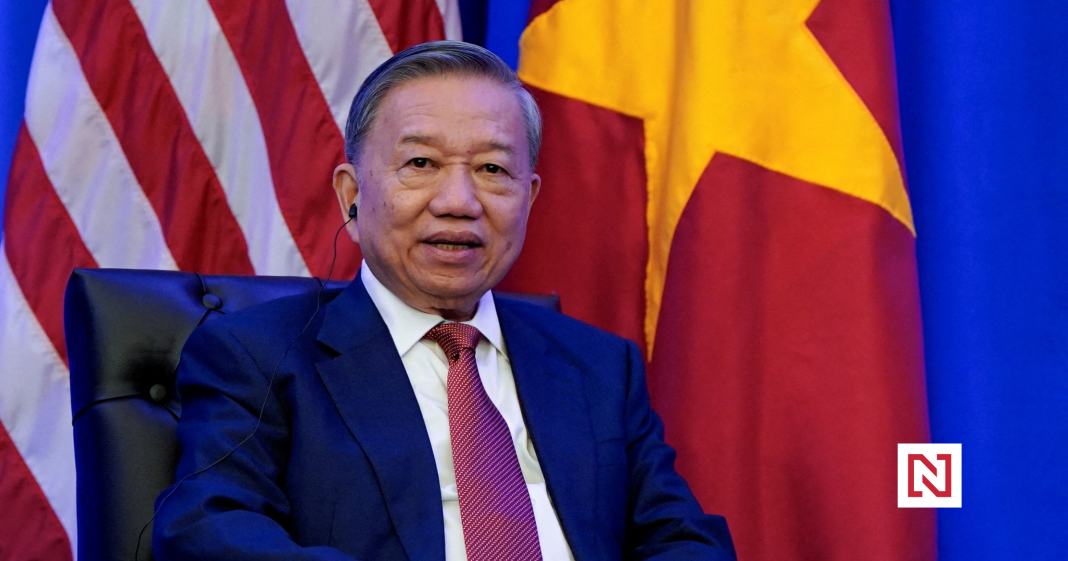

Vietnam’s political landscape has recently witnessed a significant leadership change, marked by the emergence of a leader who navigated through a maze of controversies. How To Lam’s rise to power has been shaped by his resolve to overcome oppositional forces and his ability to address public concerns strategically.
A Challenging Path to Leadership

How To Lam’s journey to becoming Vietnam’s new leader has been fraught with challenges. Facing intense scrutiny and suspicion, he managed to establish his political credibility by carefully navigating existing power structures. Throughout his political career, Lam has demonstrated an ability to align diverse interests within the party, which has ultimately proven pivotal in his ascent.
The opposition he faced was not only internal but also extended to a broader political context where various factions questioned his leadership capability. His strategic engagements and diplomatic finesse have played crucial roles in garnering support from key political stakeholders, leading to a consolidation of power.
Addressing Controversies Head-On

Lam’s leadership bid was initially overshadowed by controversies, making it imperative for him to confront these issues decisively. Allegations regarding his administrative decisions and rumored alliances required transparent responses to quell public and political unrest. By proactively addressing these matters, Lam not only dispelled doubts but also reinforced a narrative of accountability.
Public forums and media engagements became platforms for Lam to clarify his stance on contentious issues, fostering a sense of transparency. His commitment to tackling such controversies has been seen as a sign of his willingness to reform and modernize governance practices within Vietnam.
Policy Vision for Vietnam

How To Lam has articulated a clear vision for Vietnam, focusing on economic growth, social welfare, and international cooperation. His policy initiatives aim to bolster Vietnam’s economic standing, with particular emphasis on sustainable development and technological advancements. This focus demonstrates his understanding of the global shifts in economic practices.
Moreover, Lam has advocated for stronger ties with other nations, seeking to enhance Vietnam’s role on the international stage. These diplomatic efforts are centered around fostering partnerships that bring strategic and economic benefits to the country, maintaining a balance of power in the region.
The Role of Defiant Opposition

Despite his strategic success, Lam’s leadership continues to be challenged by defiant opposition forces within the political system. These factions remain critical of his policies and leadership style, pushing for alternative reforms. However, Lam’s ability to engage with these opponents in dialogue underscores his commitment to a more collaborative political environment.
By fostering open channels of communication with his critics, Lam is attempting to create a more inclusive political landscape. This approach not only aids in diffusing potential conflicts but also enhances his domestic and international image as a leader capable of unifying disparate voices.
The emergence of How To Lam as Vietnam’s leader signifies a new era of political dynamics. His capacity to overcome controversies and opposition highlights a resilient and adaptive approach to governance.
Source: Official Vietnamese Government website.