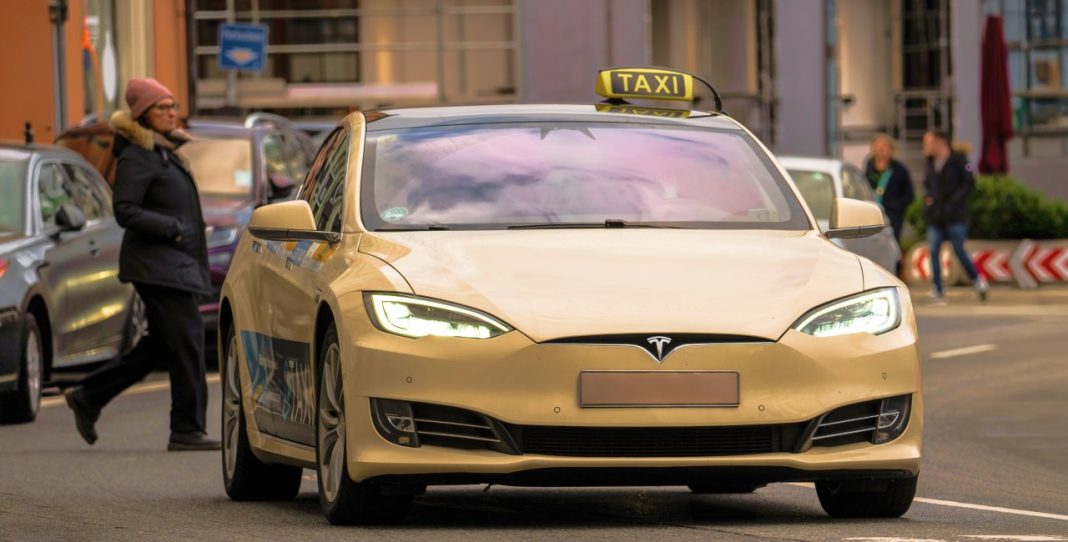

As Prague tightens its environmental regulations, ride-sharing costs are likely to see an uptick. New emission standards aimed at reducing pollution might impose financial pressures on ride-sharing companies, which could translate into increased fares for consumers.
Understanding the New Emission Regulations

The Czech government has initiated stricter emission standards to combat air pollution levels in urban areas, including Prague. These regulations focus on limiting carbon emissions by vehicles, particularly in the transportation sector. Ride-sharing companies, heavily reliant on a large fleet of vehicles, find themselves at the forefront of these changes. The need to upgrade to more environmentally friendly vehicles could lead to substantial financial investments.
Ride-sharing services usually operate on thin profit margins, and the cost of updating fleets to meet new emission standards can be significant. Many companies will likely need to switch out older, more polluting cars for new hybrid or electric models to comply with regulations. This transition, while beneficial for the environment, represents a considerable cost that could indirectly affect pricing strategies.
Impact on Ride-Sharing Platforms and Drivers

For ride-sharing platforms operating in Prague, aligning with these new regulations is crucial. They must not only update their existing vehicle fleets but also ensure that new drivers joining their platform meet the emission criteria. This could lead to higher operational costs, affecting both the companies and drivers financially.
Driver adaptability also plays a significant role. Many drivers may need to invest in upgrading their vehicles to continue offering services on these platforms. This added financial burden could deter potential drivers, leading to a reduction in the number of available cars and potentially longer wait times for consumers.
Potential Cost Increases for Consumers

As companies and drivers face higher costs to meet the emission regulations, these expenditures may be passed down to consumers. Increased ride-sharing costs could be a direct consequence, prompting a shift in consumer behavior as they weigh the convenience of ride-sharing against the rising costs.
Moreover, consumers might turn to alternative forms of transportation, such as public transit or cycling, both of which are more eco-friendly and cost-effective. This scenario highlights the intricate balance between environmental responsibility and economic accessibility in urban mobility.
The Broader Environmental and Economic Implications

While the immediate effects of stricter emissions on ride-sharing costs might be challenging, the long-term environmental benefits are significant. Reduced vehicular emissions contribute to better air quality and align with global efforts to combat climate change. In Prague, the transition also supports the city’s goal to promote sustainable urban living.
Economically, the regulations could spur innovation within the ride-sharing industry. Companies may invest in technological advancements, such as electric vehicle adoption and improved efficiency in ride-sharing operations. These innovations could eventually stabilize costs and enhance consumer satisfaction.
In conclusion, while stricter emission regulations in Prague could lead to increased ride-sharing costs, the environmental advantages provide a compelling case for the transition. The ride-sharing industry’s adaptation to these changes could serve as a model for sustainable transportation practices worldwide.