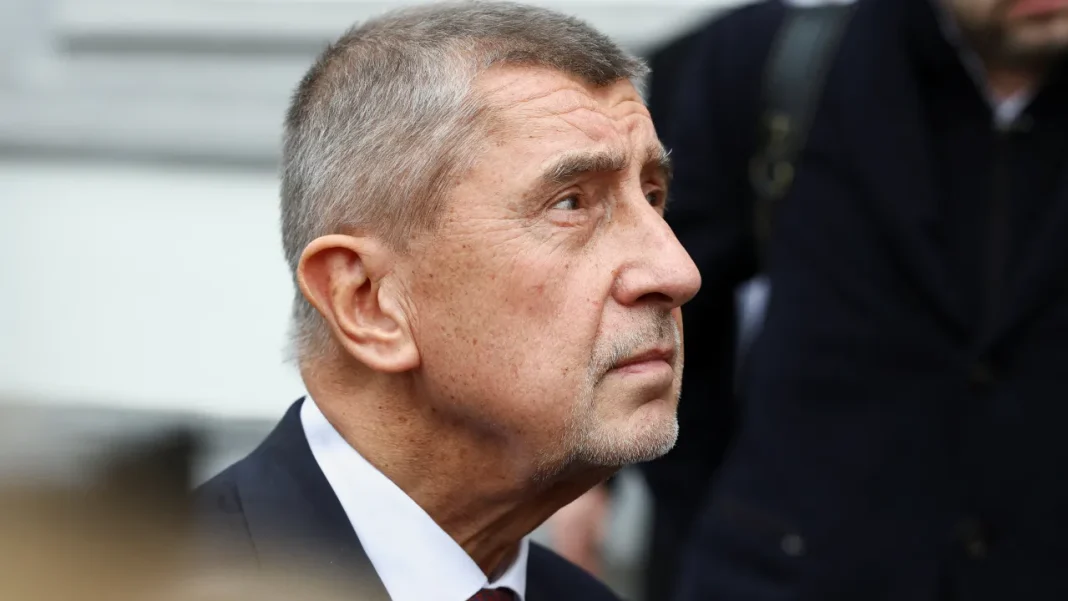

In a recent visit to the World Economic Forum in Davos, former Czech Prime Minister Andrej Babiš shared insights and reflections on his participation over the two-day event. Babiš, a prominent figure in Czech politics, engaged in discussions centered around economic development, digitalization, and global collaboration.
Engaging with Global Leaders

During his time at the Davos conference, Andrej Babiš met with several international leaders to discuss pressing economic challenges. His agenda included dialogues about the future of the European Union’s economy, strategies for sustainable growth, and ways to enhance international trade partnerships. These discussions emphasized the importance of collaboration in addressing global issues like climate change and economic inequality.
Babiš’s meetings reflected his commitment to ensuring that Czechia remains a competitive player on the world stage. His interaction with global leaders underscored the value he places on sharing knowledge and innovative solutions in economic policymaking.
Focus on Digital Transformation

A significant portion of Babiš’s time in Davos was dedicated to exploring the role of digitalization in modern economies. He attended various panels that highlighted the potential of digital technologies to drive economic growth and efficiency. Babiš articulated his vision for Czechia embracing digital transformation, aiming to turn the country into a hub for technology and innovation.
Discussions also revolved around the challenges that digitalization poses, such as cybersecurity threats and the digital divide. Babiš reiterated the need for robust policies to safeguard data privacy and to ensure that technological advancements benefit all segments of society.
Addressing Economic Inequality
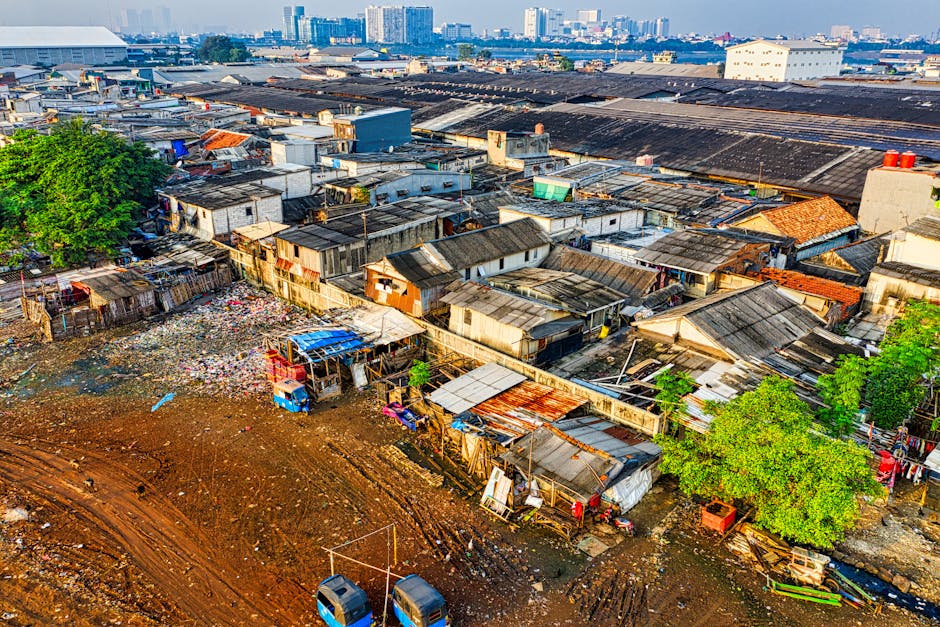
Economic inequality was another key topic at Davos, and Babiš was vocal about strategies to bridge the gap between different socio-economic groups. He participated in sessions focused on enhancing economic equity and creating inclusive policies that support underprivileged communities.
Babiš emphasized the need for targeted investments in education and healthcare to reduce inequality, suggesting that these sectors are pivotal to building a fairer society. This aligns with his previous domestic policies, where he advocated for social spending to raise living standards in Czechia.
The Future of Czechia

Reflecting on his experiences, Babiš expressed optimism about the future of Czechia within a dynamic global landscape. He highlighted the opportunities that arise from international collaborations and the necessity for continued dialogue with other nations.
Moreover, Babiš stressed the importance of engaging with both domestic and international stakeholders to implement policies that foster economic resilience. By leveraging insights gained at Davos, he aims to enhance Czechia’s economic strategy and strengthen its position as a forward-thinking nation.
In conclusion, Andrej Babiš’s participation in the Davos conference highlighted his dedication to economic innovation and global cooperation. His reflections serve as a testament to the potential impact of strategic dialogue in shaping the future of economies around the world.