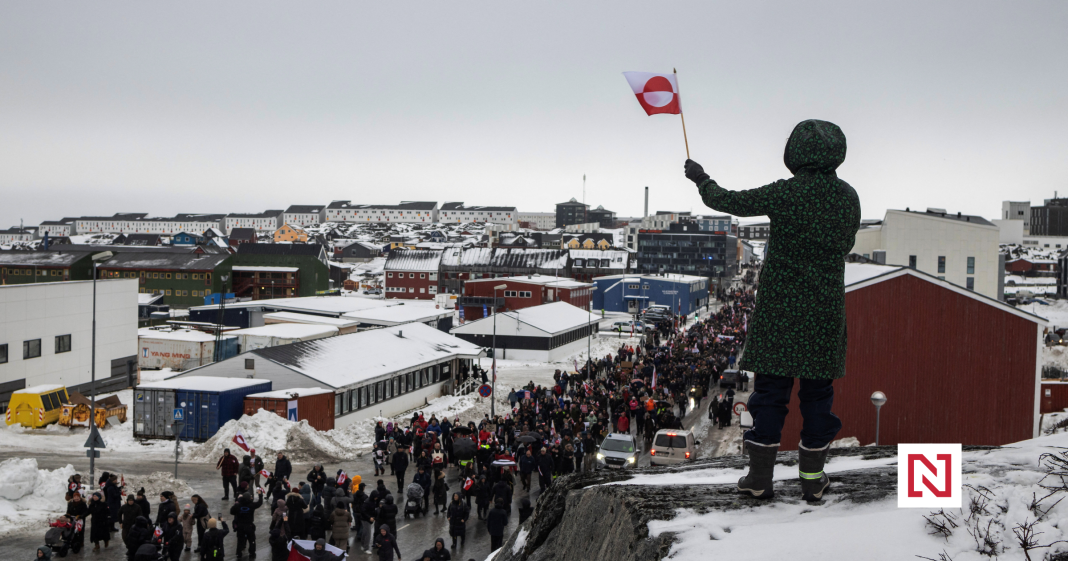

The U.S. bid to acquire Greenland has cast a shadow over discussions at the World Economic Forum in Davos, creating both diplomatic tension and intrigue. The notion has sparked debate and curiosity among global attendees regarding the implications of such a move.
Background of the U.S. Proposal

The United States’ interest in purchasing Greenland first emerged publicly in 2019 when discussions regarding the continent’s strategic significance and resource potential surfaced. Greenland’s vast reserves of rare minerals and its strategic position in the Arctic have made it a point of interest for major global powers, including the U.S.
This renewed interest was again highlighted during the recent World Economic Forum in Davos, particularly following reports suggesting the U.S. administration’s continued pursuit of the territory. This ambitious proposal is perceived as part of a broader strategy to strengthen U.S. influence in the Arctic region, amid escalating geopolitical stakes.
Reactions and Diplomatic Tensions

The proposal has been met with a mix of skepticism and concern by several nations, highlighting potential risks of disrupting regional stability. Danish officials have reiterated Greenland’s status as an autonomous territory, emphasizing the importance of respecting Greenlandic wishes and sovereignty.
In Davos, conversations were rife about not only the legal ramifications but also the moral dimensions of such a transaction. The idea of a nation being bought and sold in the 21st century has sparked ethical debates and highlighted the evolving nature of international diplomacy.
Implications for Global Politics

The discussions at Davos underscore the evolving geopolitical landscape, where Arctic regions are increasingly seen as pivotal ground for influence. Greenland’s strategic military and economic significance cannot be understated, particularly in light of climate change opening new maritime routes and access to resources.
For other Arctic nations, the U.S. interest in Greenland raises concerns about a potential arms race or increased militarization in the region. The proposal is seen as an indicator of shifting priorities in global politics, where climate change and resource competition are key drivers.
Economic and Environmental Considerations

Beyond political ramifications, the potential acquisition of Greenland also poses significant economic and environmental considerations. Greenland is rich in untapped natural resources, including oil, gas, and minerals, which could be exploited if control changes hands.
However, environmental activists warn that increased resource extraction could have devastating effects on the region’s ecosystem. As discussions in Davos highlighted, balancing economic ambitions with sustainable practices remains a critical challenge for involved stakeholders.
Ultimately, while the prospect of U.S. acquisition of Greenland remains speculative, it has undoubtedly added a new layer to geopolitical conversations. The outcome of these discussions will have lasting implications for the Arctic and global diplomacy.