

In a move that is sure to ignite discussions on international relations, former U.S. President Donald Trump has announced the formation of his own version of the United Nations. This new entity reportedly offers veto power and paid permanent membership options, raising questions about its purpose and impact.
An Unconventional Approach to Diplomacy

This alternative UN, spearheaded by Trump, is set to provide a platform for nations seeking different dynamics in international collaboration. The introduction of veto power, a defining characteristic of the traditional UN’s Security Council, suggests an ambitious attempt to mimic established global diplomacy yet with a distinctive twist.
Providing nations with the option of paid permanent membership could radically alter the existing landscape of international alliances. This model is unprecedented, as it implies that financial capacity could play a critical role in gaining influence, diverging from the traditional UN model centered around regional representation and geopolitical balance.
Membership and Financial Implications

The concept of paid membership raises several financial and ethical questions. It essentially implies that financially wealthy countries or entities might have an edge over less affluent nations. Critics argue this could lead to a system where power is essentially for sale, undermining the principles of equality and fairness in international representation.
However, supporters of the initiative might view it as an opportunity to bypass bureaucratic gridlock often seen in the existing UN framework, allowing for more decisive action on global issues. The financial incentive might also potentially fund extensive initiatives that a cash-strapped traditional UN occasionally struggles with.
Potential Reactions from the International Community
The international response to Trump’s initiative is likely to be mixed. Allied nations might explore this new platform as an avenue to increase their global reach with potentially lower bureaucratic hurdles. Yet, traditional allies committed to the current UN structure could resist an alternative that seemingly contradicts diplomatic norms.
Moreover, the introduction of financial barriers may alienate developing nations who may view this as an exclusionary practice. The crucial test of this new entity will be its ability to garner widespread acceptance and legitimacy on the world stage.
Implications for Global Governance
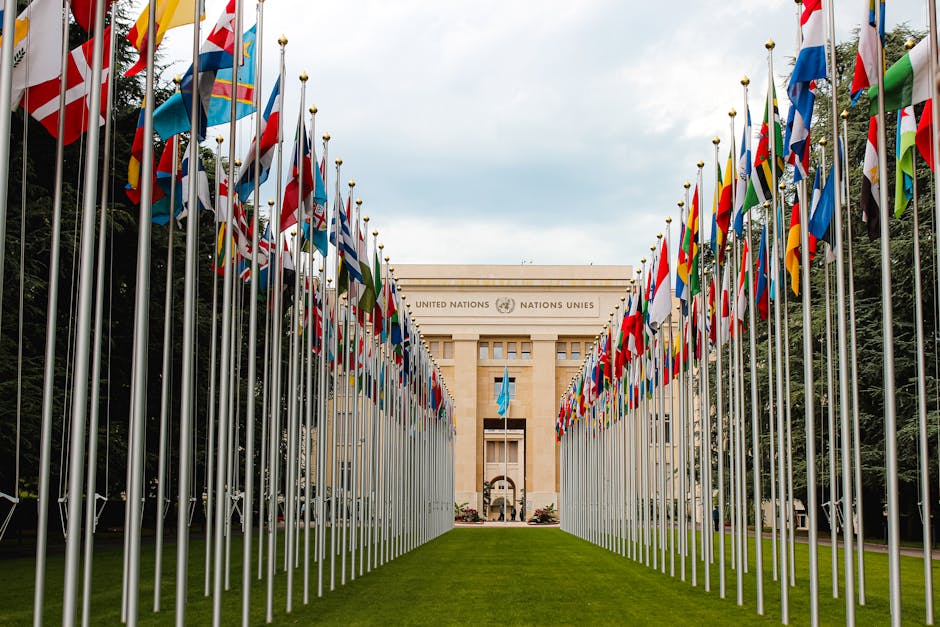
This initiative could signify a broader trend of fragmentation in global governance. With increasing dissatisfaction among some nations about the current international order, Trump’s UN could appeal to those seeking a redefined role in global affairs.
Nevertheless, any shift away from an established institution like the United Nations is fraught with uncertainty. The ramifications for international law, cooperation on global issues like climate change, and conflict resolution are complex and potentially destabilizing.
In conclusion, Trump’s creation of a new kind of UN raises poignant questions about the future of international diplomacy. Whether this initiative will flourish or face resistance remains to be seen, but it undeniably challenges traditional modes of engagement among nations.





