The recent decrease in large-scale protests in Iran has sparked significant discussion regarding the impact of regime tactics and international responses. Although initial demonstrations garnered global attention, the persistence of the Iranian government’s street violence paired with Donald Trump’s cautious approach to direct conflict have influenced current dynamics.
Impact of Street Violence on Protest Movements
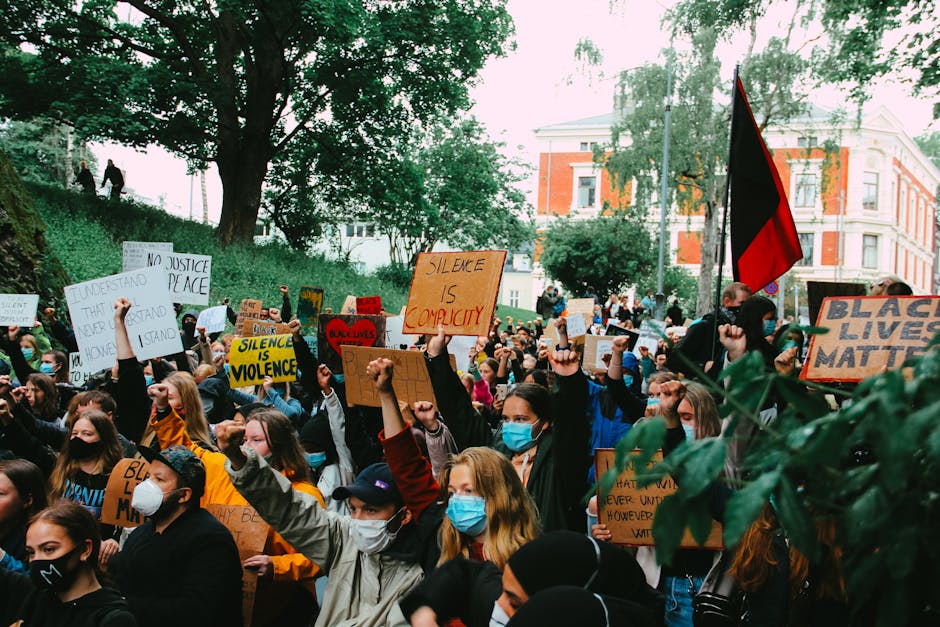
The Iranian regime’s aggressive handling of protests has played a crucial role in suppressing widespread dissent. Over the past months, reports of violence, including tear gas and rubber bullets, have been used to disperse crowds, creating an atmosphere of fear. The government’s tactics effectively dissuade civilian participation, significantly affecting the scale and visibility of these protests.
The heavy-handed response has had a chilling effect not only on those directly involved but also on prospective demonstrators. The harsh punishment meted out to perceived instigators, including lengthy detentions and harassment, underscores the lengths to which the government will go to maintain control. This systemic crackdown has undeniably curbed the momentum of the initial surge of protests.
Additionally, state control over media outlets and the restricted access to the internet further diminishes the movement’s visibility and coordination efforts. By monopolizing information flow, the regime ensures that local narratives are conducive to its agenda, hampering external and internal support for protestors.
Trump’s Reluctance for Direct Military Engagement

Amid these developments, former U.S. President Donald Trump’s administration opted for a cautious stance, notably avoiding direct conflict with Iran. This approach was largely influenced by considerations of international diplomacy and regional stability. Trump’s policies favored economic sanctions and targeted measures to throttle Iran’s economy rather than open military confrontation.
The strategy aimed to pressure the Iranian government into negotiations concerning its nuclear program and regional influence. However, this also meant that the U.S. refrained from supporting protestors in a manner that might escalate into broader conflict.
This hesitance for direct intervention reflected a broader trend within the U.S. to avoid deep entanglements in the Middle East following decades of costly military involvements. While sanctions inflicted significant economic damage, the absence of direct support left protestors facing the regime predominantly alone.
International Community’s Response

Beyond the United States, the international community’s reaction has been a mix of condemnation and cautious diplomacy. While many countries and human rights organizations have criticized Iran’s handling of protests, realpolitik has often dictated a more measured approach.
EU nations, in particular, have continued dialogues with Iran to salvage the Joint Comprehensive Plan of Action (JCPOA) amidst these tensions. This dual approach of engagement and criticism aims to balance concerns over human rights with broader geopolitical and nuclear considerations.
Human rights groups strive to maintain the spotlight on these issues, documenting abuses and advocating for international pressure on Tehran. However, without unified action, meaningful outcomes remain challenging.
Potential Future Developments
The trajectory of Iran’s internal stability and international relations remains uncertain, with various factors influencing potential future developments. The protest movement, though suppressed, has not been extinguished entirely, indicating potential resurgences as conditions evolve.
Internationally, the priorities of key powers like the U.S. or EU may shift, impacting Iran’s diplomatic and economic engagements. A change in the U.S. administration or a modification in EU policies could redefine strategies toward Iran, potentially revitalizing external support for domestic reform movements.
Moreover, internal fractures within the Iranian government could emerge as public dissatisfaction continues to simmer, presenting opportunities for negotiation or change.
In conclusion, the interplay between regime tactics within Iran and cautious international responses, primarily from the Trump era, highlights the complex nature of the nation’s current sociopolitical landscape. The delicate balance of power, diplomacy, and human rights advocacy will shape the future of Iran and its protest movements.