

The debate about Czechia’s reliance on coal, particularly coal mined by entities owned by entrepreneur Pavel Tykač, has been intensifying. Experts are divided, with some pointing to its necessity in ensuring energy stability, while others emphasize the urgent need to shift towards renewable resources.
The Role of Coal in Czech Electricity

Czechia has a long history of relying on coal for electricity production. Coal-fired plants have been a cornerstone of the national energy strategy, providing a stable and continuous power supply. Tykač’s companies, which control a significant portion of the Czech coal market, have been instrumental in maintaining this aspect of energy provision.
However, as the country aligns more closely with EU climate goals, the pressure mounts to reduce dependence on fossil fuels. Discussions around energy security and economic impacts pose challenges as policymakers deliberate the future role of coal in the national energy mix.
Environmental Considerations and Public Opinion

The environmental implications of coal dependency can’t be ignored. Czechia has faced increasing criticism over carbon emissions linked to coal-fired plants. These concerns have sparked debates on various platforms, with environmental groups advocating for a swift transition to healthier energy alternatives.
Public opinion is gradually shifting as awareness of climate change grows. While some regions economically dependent on the coal industry remain supportive, there is a noticeable increase in demand for cleaner, sustainable energy solutions among the general populace.
Economic Impacts of Transitioning Away from Coal
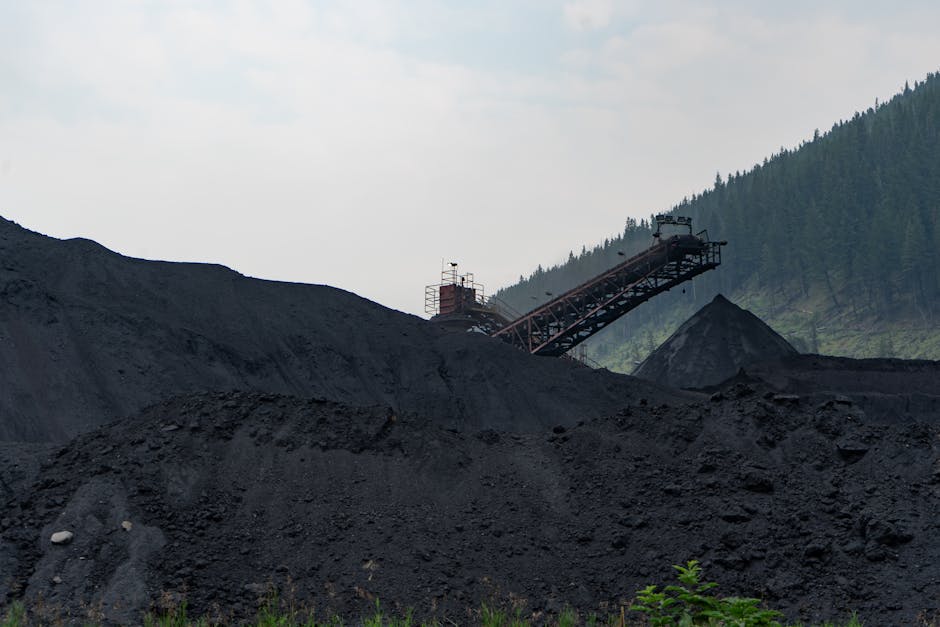
The economic implications of moving away from coal are profound. Tykač’s coal operations are major employers and contributors to local economies. Abrupt shifts in energy policy could have substantial economic ramifications, potentially affecting jobs and regional development.
Transition plans need careful consideration to address potential economic dislocations. Strategies that include investing in renewable energy technologies and reskilling workers for jobs in emerging industries are under discussion as part of a balanced approach to reducing coal reliance.
Exploring Renewable Alternatives
Czechia’s journey toward renewable energy is gaining momentum, albeit gradually. Investments in solar, wind, and other renewable sources are increasing, backed by EU funding and national policies aimed at reducing carbon footprints.
The path to energy transformation involves infrastructural upgrades and policy shifts. As more stakeholders from various sectors join the conversation, the vision of a sustainable energy future becomes more defined, although major obstacles remain in fully effecting these transitions.
Conclusively, Czechia stands at a crucial junction as it balances economic stability with environmental responsibility. The varied expert opinions reflect the complexity of shifting energy paradigms, highlighting a need for nuanced approaches that support a sustainable future.





