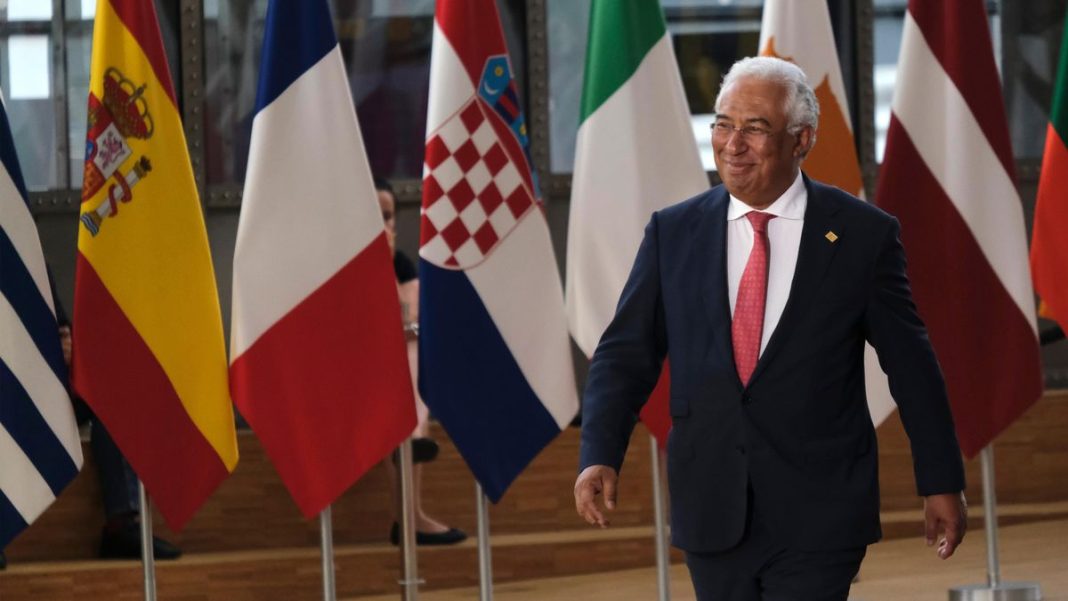

The European Union summit has convened to discuss a variety of pressing issues, one of which is a surprising proposal from former US President Donald Trump to purchase Greenland. This unusual suggestion has prompted significant discussion and analysis among EU leaders.
Background of the Proposal

In 2019, then-President Donald Trump made headlines with his interest in purchasing Greenland, a semi-autonomous territory of Denmark. The proposal was met with widespread skepticism and was swiftly rejected by Danish leaders. However, this unexpected diplomatic move has resurfaced on the EU summit’s agenda as leaders seek to understand the implications of such ideas on international relationships.
The interest in Greenland stems partly from its strategic location in the Arctic and its vast natural resources. These factors have made Greenland a point of interest not only for the US but also for other global powers. The EU’s discussion on the matter signals its desire to exert influence and safeguard the interests of its member states in the Arctic region.
The Geopolitical Implications

The proposal to buy Greenland highlights the increasing geopolitical competition in the Arctic. As ice melts due to climate change, new navigation routes and access to untapped natural resources become available. This has amplified strategic interest in the region, making it a focal point for global powers including the US, Russia, and China.
The EU summit is expected to address these geopolitical concerns, emphasizing the importance of maintaining stability in the Arctic. The union aims to promote sustainable development and responsible governance, ensuring that any activities in the region are conducted peacefully and with respect for international law.
Environmental Concerns

The EU summit is also considering the environmental impact of increased interest in Greenland and the Arctic region. The Arctic is particularly vulnerable to climate change, with rising temperatures having significant consequences for the global climate system.
As part of the discussion, EU leaders are likely to reaffirm their commitment to environmental protection and climate change mitigation. This includes monitoring activities in Greenland that could lead to further environmental degradation and ensuring the protection of indigenous communities and wildlife.
Enhancing EU Collaboration
The discussion around Greenland also underscores the importance of enhancing collaboration within the EU. Given the complex nature of Arctic geopolitics, a unified stance is crucial for navigating the challenges and opportunities that lie ahead.
The summit offers a platform for member states to share insights and strategies, strengthening alliances and ensuring that the EU remains a vital player on the global stage. By working together, EU nations can better navigate the intricate dynamics of international diplomacy and environmental stewardship in the Arctic.
In conclusion, while the idea of purchasing Greenland may seem far-fetched, it has highlighted significant geopolitical, environmental, and strategic issues that the EU must address. The summit marks a critical moment for fostering consensus on how to approach the evolving challenges in the Arctic.
Source: Official European Union website.