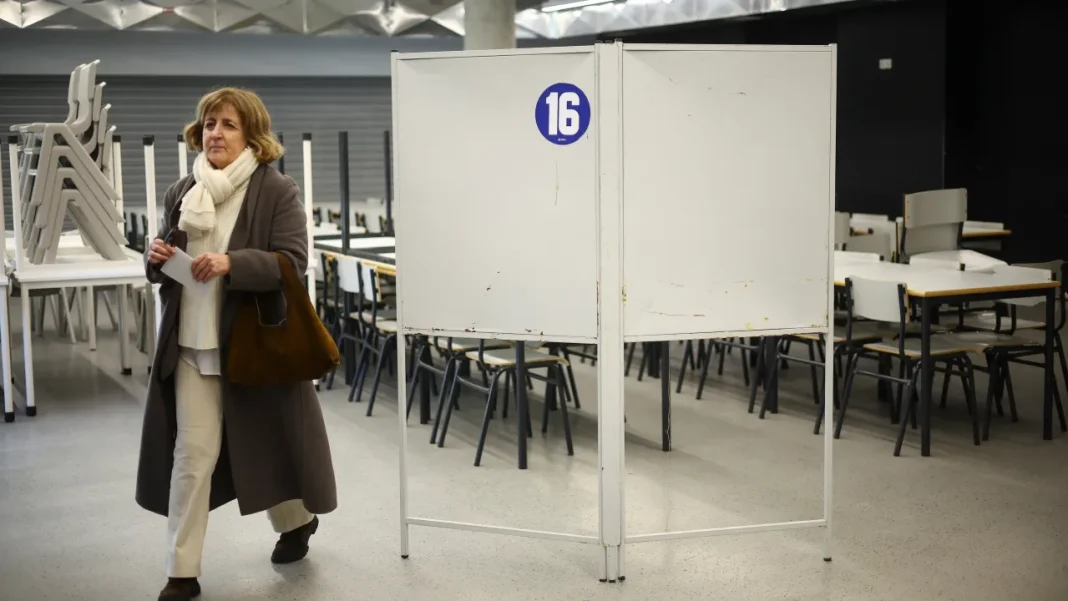

The political landscape in Portugal sees significant developments as opposition politicians advance to the second round of the presidential elections. This move signals potential shifts in the nation’s political dynamics and the priorities of Portuguese voters.
Key Opposition Figures Enter the Scene

The first round of Portugal’s presidential elections proved to be a turning point with prominent opposition figures achieving notable success. They have garnered widespread support, challenging the incumbent framework and introducing fresh perspectives. These candidates have been well-received by the public, who are eager for changes that address modern concerns such as economic growth and social equality.
The leading opposition candidate, a well-known advocate for environmental issues and economic reforms, has captured the attention of younger voters. His transformative agenda includes plans for green energy initiatives and increased investment in digital infrastructure, aiming to position Portugal as a leader in sustainable development.
Implications for Portugal’s Future

The entry of opposition figures into the second round of presidential elections suggests a possible shift in Portugal’s political landscape. The topics resonating with the electorate include economic stability, healthcare modernization, and education reform—areas where the opposition pledges strategic overhauls. Their rise indicates a demand for policies reflecting the evolving priorities of the electorate.
This development could lead to significant changes in domestic and foreign policy, marking a departure from traditional political stances. Analysts predict that if elected, these figures might prioritize international partnerships that align with their progressive values.
Challenges Faced by the Incumbents

The current political establishment faces mounting pressure as it contends with the dynamic force of opposition candidates. Criticisms levied by the opposition focus on the government’s handling of recent crises, including the pandemic and economic slowdown. These have left many Portuguese citizens calling for new leadership and innovative solutions.
Incumbents are now tasked with addressing the criticisms by presenting robust plans to revitalize key sectors. Their ability to connect with the populace over the coming weeks will be crucial to maintaining their influence as the elections advance to the final stage.
Voter Sentiments and Economic Concerns

A significant aspect of these elections is the economic uncertainty faced by many Portuguese citizens. Issues such as unemployment, income disparity, and lagging investments weigh heavily on the electoral decisions being made. The opposition’s emphasis on economic development resonates broadly, particularly among the middle class and younger generations.
Such concerns have prompted intensive debate and keen public interest, with many Portuguese voters watching closely to see how candidates propose to stabilize and enhance the nation’s financial health. The outcome of this election could thus be pivotal in determining Portugal’s path towards economic resilience.
As Portugal approaches the final stages of its presidential elections, the political scene is charged with anticipation. The direction the country chooses shall not only influence domestic policies but also shape its standing on the global stage. The coming weeks will be decisive in setting the course for Portugal’s future political and economic evolution.