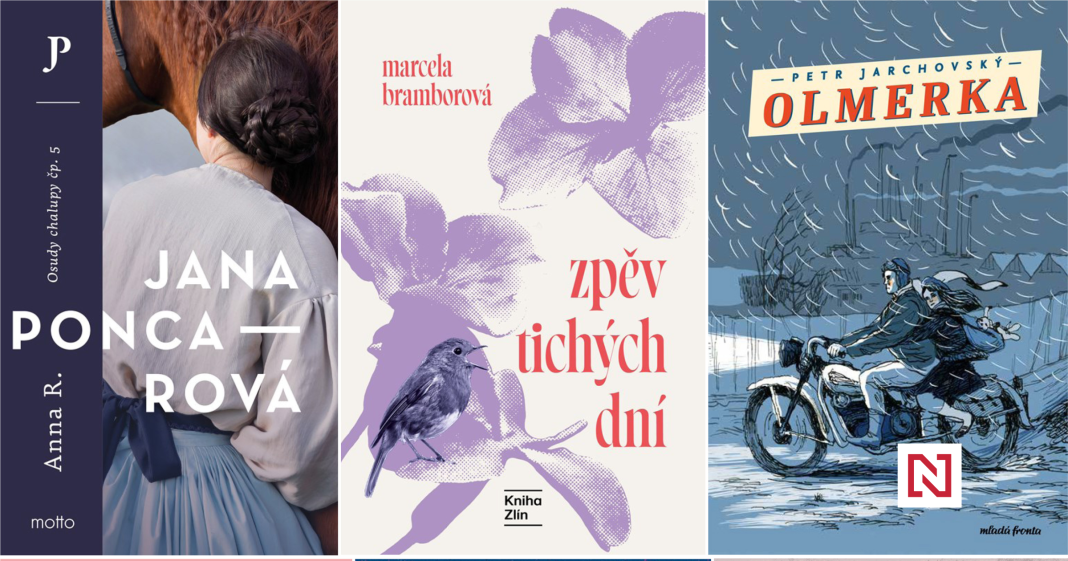

Recent Czech historical novels are facing increasing challenges in captivating modern readers. The allure of history, while intriguing, must compete with contemporary storytelling techniques and rapidly evolving reader expectations.
Reviving History through Fiction

Czech historical novels aim to bring the nation’s rich past to life, offering a narrative form that merges factual historical elements with creative storytelling. Authors often delve into significant periods, such as the times of the Austro-Hungarian Empire or the Velvet Revolution, striving to make these eras relatable to today’s readers. However, this requires balancing the educational aspects with engaging plots that hold the readers’ attention.
Writers must employ captivating character arcs and gripping storylines while remaining true to historical accuracies. This juxtaposition presents both an opportunity and a challenge, as inaccuracies or overly dry narratives can alienate audiences accustomed to dynamic stories.
Modern Reader Expectations

The attention span and interests of modern readers have evolved, influenced significantly by digital media and fast-paced information dissemination. Readers now often prefer narratives that offer instantaneous intrigue and easily digestible content. Czech authors must therefore innovate traditional storytelling by incorporating elements such as suspense, mystery, or romance to enhance the appeal of historical contexts.
Engaging younger audiences poses a particular challenge, as they often view historical settings as less appealing than contemporary or futuristic narratives. Therefore, authors are increasingly using modern dialect and cultural references to bridge the temporal gap, thus creating a more relatable experience for the reader.
Impact of Technology on Historical Narratives

Technology plays a crucial role in the creation and consumption of historical novels today. Digital platforms have enabled wider accessibility, allowing authors to reach a global audience. E-books and audiobooks have also transformed the reading experience, providing flexibility and convenience, thereby attracting a broader demographic.
Moreover, technology offers tools for meticulous historical research, which is essential for crafting authentic settings and characters. Writers can now access vast digital archives and historical databases, aiding in the production of richly detailed narratives that appeal to discerning readers seeking authenticity.
The Role of Cultural Institutions
Cultural institutions in Czechia, such as the National Library and historical societies, play a vital role in supporting authors by providing access to historical records and archives. These resources are invaluable for authors who wish to incorporate real historical events or figures into their narratives.
Moreover, literary festivals and book fairs organized by these institutions provide a platform for authors to connect with their audience and share their work. These events not only promote historical novels but also highlight the importance of cultural preservation through literature.
In conclusion, while Czech historical novels face challenges in capturing the interest of modern readers, innovative storytelling and the strategic use of technology and cultural resources offer promising ways forward. By reimagining historical narratives, authors can continue to enlighten and entertain audiences, ensuring that the rich tapestry of Czech history remains a beloved subject in literature.