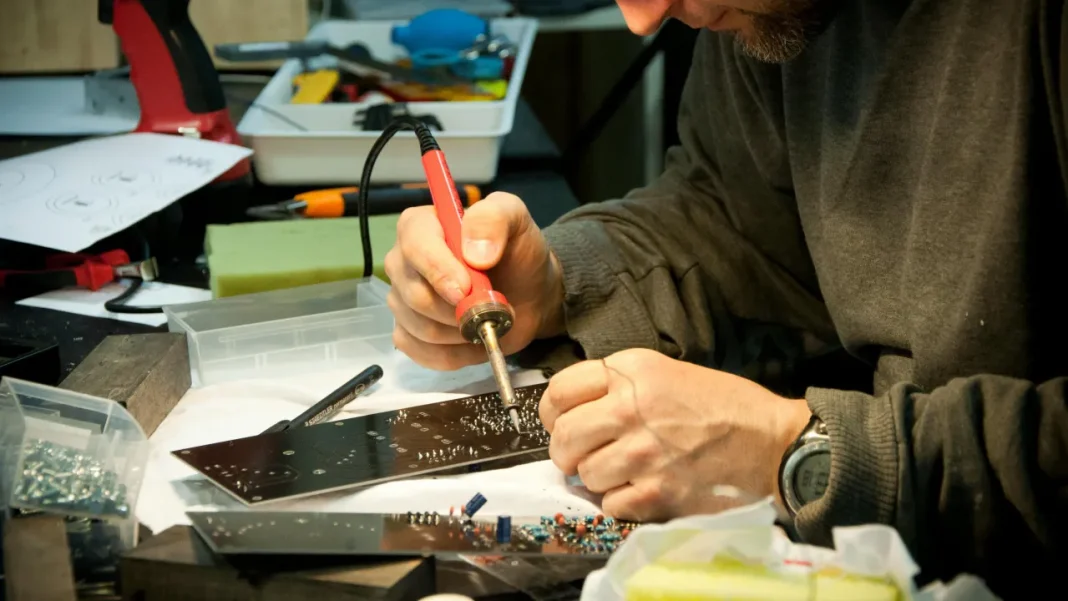

In a move to enhance consumer rights, new regulations in the Czech Republic now empower customers to request repairs for various products. This legislation aims to promote sustainability and reduce waste by ensuring that goods are repairable instead of being replaced outright.
Understanding the New Repair Laws

The newly introduced laws require manufacturers and sellers to offer repair services for products, providing consumers with an alternative to simply discarding items when they break. This initiative aligns with the European Union’s broader strategy to extend product lifespans and foster a circular economy. By focusing on repairability, the Czech Republic aims to reduce the number of products that end up in landfills, thereby lowering environmental impact.
These changes apply to a wide range of items, including electronics, appliances, and other consumer goods. Companies are now obligated to keep spare parts available for a minimum period, ensuring that repairs can be conducted easily and efficiently.
Impact on Consumers and Businesses

For consumers, these regulations mean greater assurance when purchasing products. Knowing that repair options are available can increase confidence in making long-term investments in goods, rather than opting for disposable alternatives. It also can lead to cost savings over time, as repairs are often cheaper than replacements.
On the business side, companies are encouraged to rethink their product design and supply chain logistics to accommodate these new requirements. While this might initially present a challenge, it also opens opportunities for businesses to develop new service models centered around repair and maintenance.
Sustainability and Environmental Benefits

The legislation supports environmental sustainability by reducing waste and encouraging resource conservation. By facilitating repairs over replacements, fewer materials are extracted, manufactured, and disposed of, leading to decreased pollution and resource use.
Furthermore, this approach aligns with global efforts to combat climate change, as extending the lifespan of products reduces the carbon footprint associated with producing new goods.
Challenges and Implementation

Implementing these repair laws presents certain challenges, particularly for older or niche products where spare parts may be scarce. However, the law encourages innovation within the repair industry and could lead to advancements in how repairs are conducted and parts are manufactured.
To successfully implement these regulations, collaboration between government bodies, businesses, and consumers will be crucial. Clear communication and education about the laws will help consumers understand their rights and responsibilities when seeking repairs.
In conclusion, the new rules empowering Czech consumers to request product repairs mark a significant step towards a more sustainable and consumer-friendly market. These regulations not only enhance consumer rights but also support environmental goals by promoting the repair over replacement.