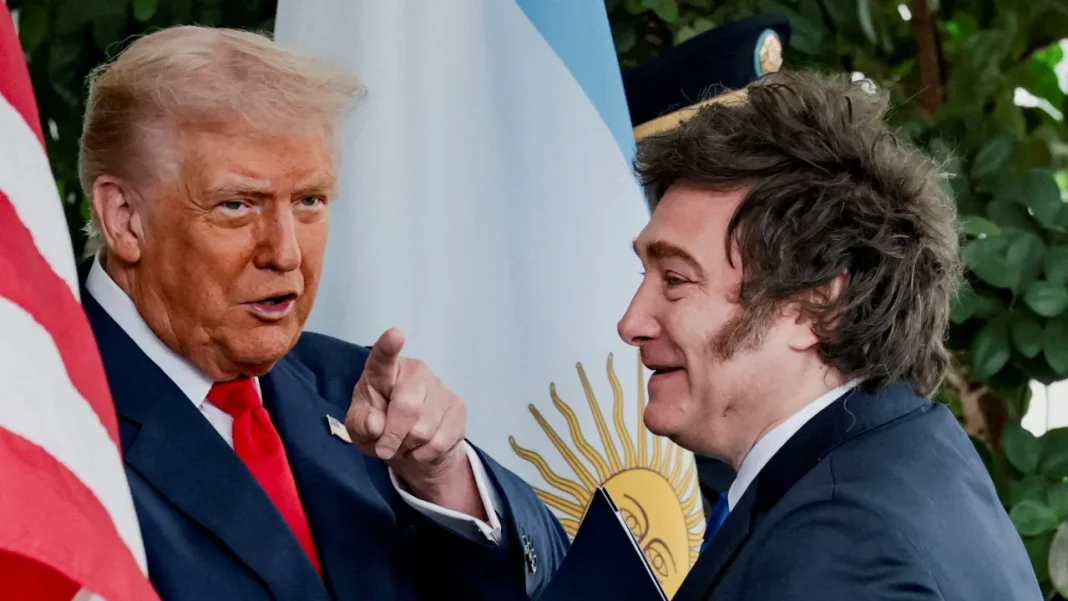

Former U.S. President Donald Trump has proposed a bold initiative urging nations to contribute $1 billion each for membership in a newly conceived Permanent Peace Council. The aim of this council is to foster global dialogue and cooperation towards sustained peace.
The Proposed Peace Council Initiative

During a recent speech, Donald Trump emphasized the need for a global platform that transcends traditional international diplomacy. The Permanent Peace Council, as proposed, would consist of representatives from member nations who have committed significant financial resources towards maintaining global peace efforts. Trump argues that this financial commitment ensures that member countries have a vested interest in the success of the council’s initiatives.
By requiring a $1 billion contribution, Trump believes that the council would not only have sufficient funds to embark on various peacekeeping missions but also symbolize a serious commitment from participating nations. The funds collected would be utilized for conflict resolution strategies, humanitarian efforts, and educational programs aimed at promoting peace worldwide.
Global Reactions to the Proposal

The proposal has elicited a range of reactions from countries around the world. Some nations view it as a groundbreaking concept that could potentially reshape global peacekeeping initiatives. Proponents argue that existing international bodies often lack the necessary resources to effectively intervene in conflicts or to prevent them before they escalate.
However, critics of the plan have expressed concerns over the substantial financial burden it places on nations, especially those with less economic capacity. They caution that this could create an exclusivity issue where only wealthier countries can participate in the council, thereby undermining its inclusivity and representational fairness.
Potential Challenges Faced by the Initiative

One of the significant challenges faced by the establishment of a Permanent Peace Council is the alignment of geopolitical interests among its members. With each country operating under different political agendas and priorities, achieving consensus on peace initiatives might prove difficult.
Moreover, skepticism remains regarding the allocation and management of the substantial funds proposed. Transparent governance structures would need to be established to oversee the management of resources and ensure accountability. Questions about the decision-making processes within the council would also need to be addressed to guarantee efficiency and equity.
Lessons from Existing Global Institutions

The proposal draws inspiration as well as cautionary lessons from existing global institutions such as the United Nations and the European Union. While these bodies have been successful to various extents in fostering cooperation and peace, they have also faced criticism for bureaucracy and limited effectiveness in preventing conflicts.
For the Permanent Peace Council to succeed, it would likely need to streamline its operations, ensuring agility and responsiveness in addressing global conflicts. Engaging with diverse stakeholders, including non-governmental organizations and civil society, could enhance the council’s effectiveness and legitimacy.
In conclusion, while Donald Trump’s proposal for a Permanent Peace Council with a $1 billion membership fee poses several significant challenges, it also opens up conversations about the future of international peacekeeping efforts. Whether this ambitious vision can transform into reality remains to be seen.