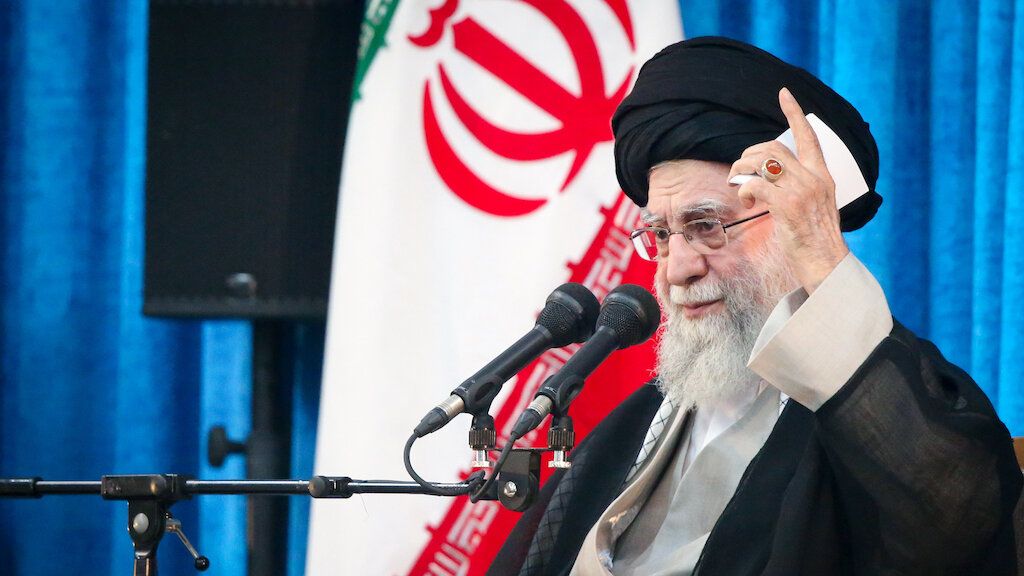

The recent protests in Iran have intensified, capturing international attention as Supreme Leader Ayatollah Ali Khamenei publicly recognized the tragic loss of thousands of lives. This acknowledgment comes amidst widespread unrest and growing calls for reform.
Backdrop of the Unrest

The protests in Iran have been driven by various socio-political grievances, including economic challenges and demands for increased freedoms. The unrest began with demonstrations against fuel price hikes but quickly evolved into a broader outcry against the regime’s policies. As news of the protests spread globally, reports of violence and casualties surfaced, heightening international scrutiny.
In acknowledging the deaths, Khamenei’s statement marked a significant moment in the ongoing conflict. This admission has prompted discussions about the government’s handling of dissent and the urgent need for reform. Human rights organizations have called for accountability and transparency from Iranian authorities in the wake of these events.
International Reaction

The international community has responded with concern, urging restraint and dialogue. Nations and organizations worldwide have condemned the excessive use of force against protestors and emphasized the need for human rights protection. The United Nations and prominent human rights groups have been vocal, demanding investigations into the deaths and other alleged abuses.
Diplomatic efforts have been intensified, with various countries offering to mediate and facilitate discussions between the Iranian government and its citizens. These efforts aim to promote peace and prevent further loss of life, emphasizing the importance of addressing the root causes of the dissent.
Impact on Iranian Society

The societal impact of the protests in Iran is profound, creating an atmosphere of uncertainty and tension. Civilians are caught in a complex web of fear and hope, as they navigate daily life amidst crackdowns and internet restrictions. Many have taken to social media platforms to share their experiences, seeking support and solidarity from the global community.
The acknowledgment of casualties by Khamenei may act as a catalyst for change, but it also heightens the public’s demand for justice and reform. The situation remains volatile, with citizens calling for systemic change to address longstanding grievances and ensure a more equitable society.
Potential Pathways Forward

The path forward for Iran is fraught with challenges but also opportunities for significant transformation. Dialogue between the government and opposition groups could pave the way for reforms that address economic and social issues. However, achieving this will require concessions and trust-building efforts from both sides.
Observers suggest that international mediation, coupled with internal dialogue, could help de-escalate tensions. While the road ahead is uncertain, the world watches closely, hoping for a peaceful resolution that honors the lives lost and fosters a brighter future for the Iranian people.
The protests in Iran, marked by significant casualties and Khamenei’s acknowledgment, underscore the critical need for change and dialogue. The situation remains dynamic, with global attention focused on the region’s unfolding events.