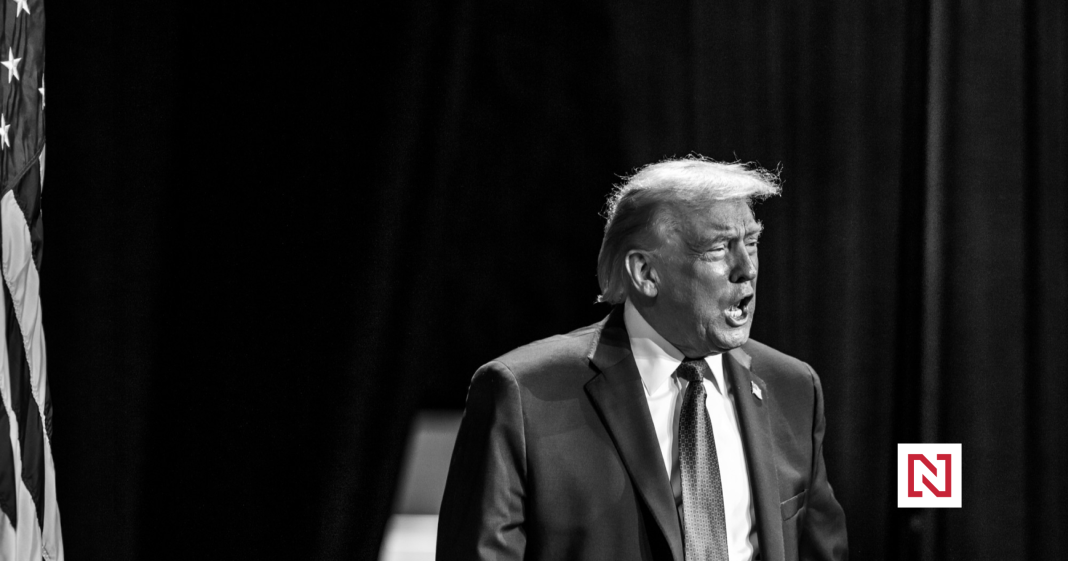

In a startling development, former President Donald Trump has announced a tariff war with Europe over the strategic island of Greenland. This eyebrow-raising geopolitical maneuver has sparked discussions across diplomatic circles, concerned about the implications for international trade and relations between the United States and Europe.
The Greenland Dispute

Greenland, an autonomous territory of Denmark, has long fascinated global powers due to its strategic location and natural resources. Trump’s interest in Greenland is not new; during his presidency, he made waves by expressing a desire to purchase the island, citing its potential for expansion and economic benefit. This recent announcement of a tariff war over Greenland indicates a dramatic escalation in his longstanding fascination.
The former president’s statement emphasizes the strategic importance of Greenland, potentially aiming to leverage negotiations with Europe. This move could reflect a broader strategy to assert U.S. interests in the Arctic region, which has become increasingly significant due to global warming and its impact on trade routes and resources.
Responses from Europe

European leaders have swiftly reacted to Trump’s declaration, expressing disappointment and concern over the potential economic ramifications. European Union officials have emphasized the importance of maintaining diplomatic channels and resolving disputes through dialogue rather than economic adversities that could harm both sides.
Denmark, which manages Greenland’s foreign affairs, reiterated its stance that Greenland is not for sale and stressed the importance of respecting territorial sovereignty. The situation places Europe in a challenging position as it navigates this unexpected geopolitical conflict with a former U.S. leader.
Impact on International Trade

The declaration of a tariff war could have significant implications for international trade, potentially disrupting markets and affecting global supply chains. Tariffs can result in increased costs for goods, impacting consumers and businesses on both sides of the Atlantic.
Trade analysts are closely monitoring the situation to assess potential repercussions. A prolonged conflict could lead to increased economic uncertainties, influencing markets worldwide. The U.S. and Europe have a history of close economic ties, underscoring the importance of resolving this conflict diplomatically.
Potential Resolutions

The path to resolving this dispute involves diplomatic negotiations and potential compromises. Engaging in constructive dialogue will be key for both sides to avoid a full-blown trade war that could have far-reaching negative effects on the global economy.
Experts suggest that revisiting and strengthening existing trade agreements could be a starting point for negotiations. In the past, solutions that have emphasized cooperation and mutual benefits have often been successful in de-escalating such conflicts.
In conclusion, as the world watches closely, maintaining stability and fostering diplomatic relations should be a priority for all parties involved to ensure long-term peace and prosperity.
Source: Official European Union website.