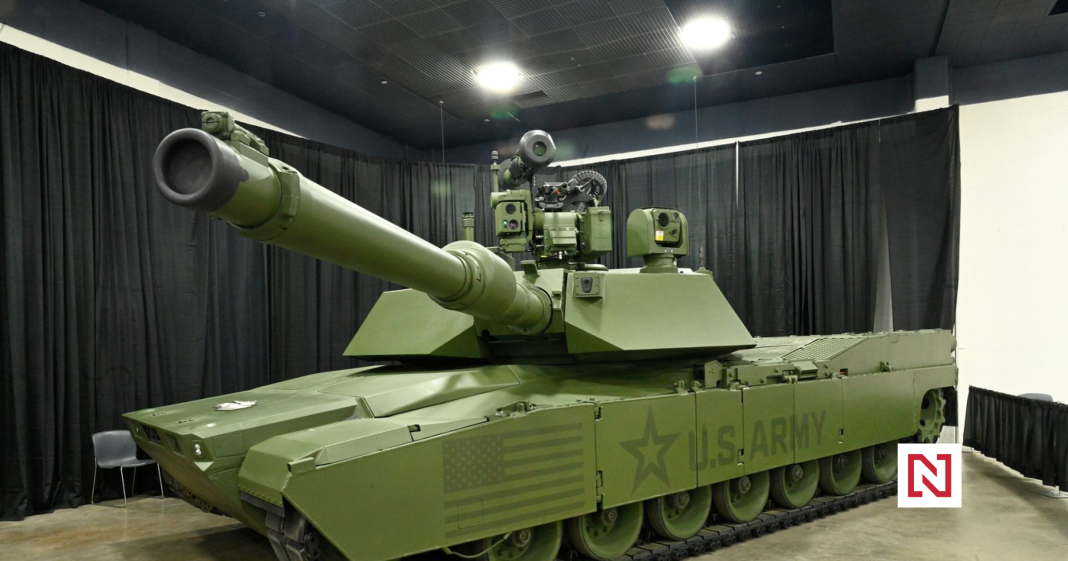

The unveiling of a new model of the Abrams tank has stirred significant interest in military circles, with its design strongly influenced by recent developments in the Ukraine war. This evolution highlights a strategic shift in response to modern combat needs.
Insights from the Battlefield

The Ukraine war has served as a real-world testing ground for evaluating armored vehicle effectiveness. Observations from the conflict have emphasized the need for tanks that are both robust and flexible, capable of maneuvering in urban environments as well as open fields. This understanding has been crucial in designing the latest Abrams model, which incorporates advanced defensive systems to withstand modern anti-tank weaponry seen on the Ukrainian front lines.
Additionally, the war has highlighted the importance of real-time data integration. The new Abrams tank features sophisticated communication technology, allowing for better coordination with other units and enhancing battlefield awareness. This collaboration can prove pivotal in dynamic combat scenarios, much like those observed in Ukraine.
Technological Advancements

With the increasing role of technology in warfare, the new Abrams tank incorporates a range of cutting-edge systems. Advanced targeting mechanisms allow for precision strikes, reducing collateral damage and increasing efficiency. Moreover, the upgraded engine and suspension systems provide the tank with enhanced mobility, critical for adapting to varied terrains.
Energy efficiency has also been a focus, reflecting broader trends in military innovation. The Abrams model presents a more sustainable operational performance, designed to reduce logistical strain and improve endurance during prolonged engagements.
Impact of International Defense Collaboration

The development of this new Abrams tank also signifies the impact of international defense collaboration. Working with allies whose forces have been directly involved in the conflict has provided invaluable insights into vehicular resilience and adaptability. This exchange of knowledge has been fundamental in refining the new tank’s design to meet current and future challenges.
Furthermore, this collaboration extends to shared training initiatives and supply chain coordination, which are essential for maintaining operational readiness and ensuring quick deployment when necessary.
Strategic Implications

The introduction of the new Abrams tank represents more than just a technological upgrade; it reflects broader strategic priorities in military planning. The design changes underscore a shift towards vehicles that can tackle evolving threats posed by the modern battlefield, as exemplified by the Ukraine conflict.
This development also signals an increased emphasis on versatility within armed forces. Tanks must now be equipped not only for traditional engagements but also to counter asymmetric warfare tactics, requiring enhanced adaptability and intelligence integration.
In conclusion, the unveiling of the new Abrams tank showcases a significant advancement in military technology, heavily informed by lessons learned from the Ukraine war. As nations continue to adapt to emerging threats, such innovations will play a crucial role in shaping future defense strategies.
Source: Official Abrams Tank website.