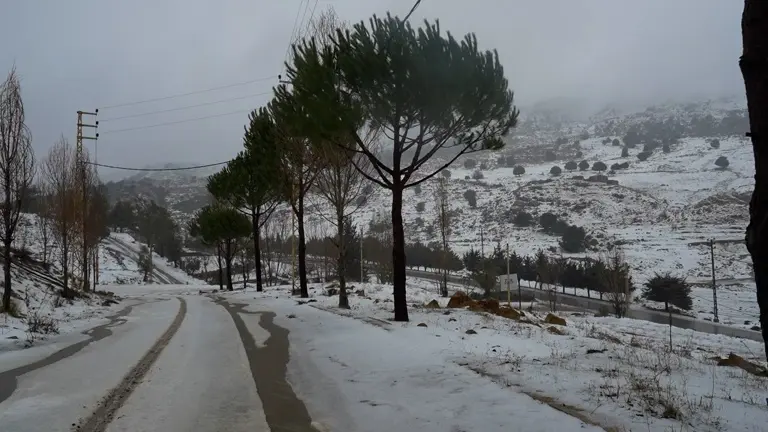

A severe winter storm has swept across the Eastern Mediterranean, bringing unprecedented snowfalls to several regions. Turkey, in particular, has experienced heavy snowfall with accumulations reaching up to 1.5 meters in some areas.
Impact on Daily Life in Turkey

The sudden and extreme snowfall has significantly disrupted daily life across Turkey. Major cities such as Istanbul and Ankara have been blanketed by snow, causing widespread traffic disruptions and leading to the closure of schools and businesses. The government has mobilized emergency services to aid stranded travelers and ensure essential supplies are delivered to affected areas.
Many regions are facing power outages due to the weight of snow on power lines, adding to the challenges faced by residents. The authorities are urging citizens to stay indoors and avoid unnecessary travel to ensure safety.
Response and Relief Efforts

The Turkish government has declared a state of emergency in the most affected provinces to streamline relief operations. Rescue teams are working tirelessly to clear roads and aid those in need. Snowplows and salt spreaders have been deployed extensively, but the continual heavy snowfall has made it challenging to keep roads clear.
In addition to government efforts, local communities have banded together to provide assistance. Volunteers are helping in clearing snow, delivering food, and providing warm clothing to the elderly and vulnerable populations.
Wider Impact on the Eastern Mediterranean

The winter storm has not been confined to Turkey alone. Neighboring countries such as Greece and Lebanon have also witnessed unusual weather conditions. In Greece, mountainous regions have experienced similar disruptions, with emergency services on high alert to handle the situation.
Lebanon, already grappling with economic challenges, is feeling the strain as the storm exacerbates existing hardships. Humanitarian agencies are actively working to support refugee populations who are particularly vulnerable during such harsh weather conditions.
Climate Change and Future Implications

Meteorologists suggest that such extreme weather events could become more common as a consequence of climate change. The unusual pattern and intensity of this storm have sparked discussions among climate scientists regarding the long-term implications for the region.
Authorities across the Eastern Mediterranean are being urged to enhance infrastructure resilience and develop comprehensive emergency plans to better prepare for similar events in the future.
As the storm gradually subsides, recovery efforts are expected to intensify, aiming to restore normalcy and address the aftermath of this unprecedented weather event.