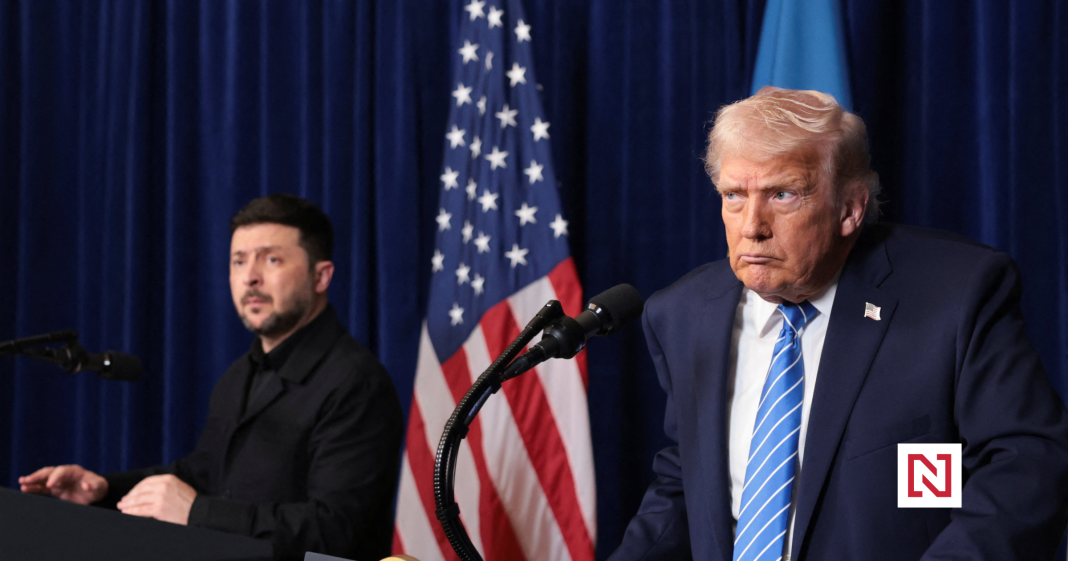

The potential for global conflict is a subject of immense concern in today’s volatile world. Surprisingly, one of the factors that could influence this delicate balance is the mood of former U.S. President Donald Trump.
The Influence of Trump’s Leadership Style

Donald Trump’s leadership style has always been characterized by unpredictability and directness, traits that have made waves both domestically and internationally. His approach to international relations often deviated from traditional diplomatic protocols, sometimes causing tensions among global leaders. This unpredictability, while appealing to his core supporters, could potentially heighten tensions in already sensitive geopolitical areas.
During his presidency, Trump’s policies on global affairs ranged from bold military decisions to unprecedented summits with controversial leaders. These actions have, at times, either averted potential conflicts or exacerbated existing ones, depending on the angle of analysis. His approach to negotiation often involved leveraging economic sanctions or military threats, adding layers of complexity to international diplomacy.
Impact on U.S.–China Relations
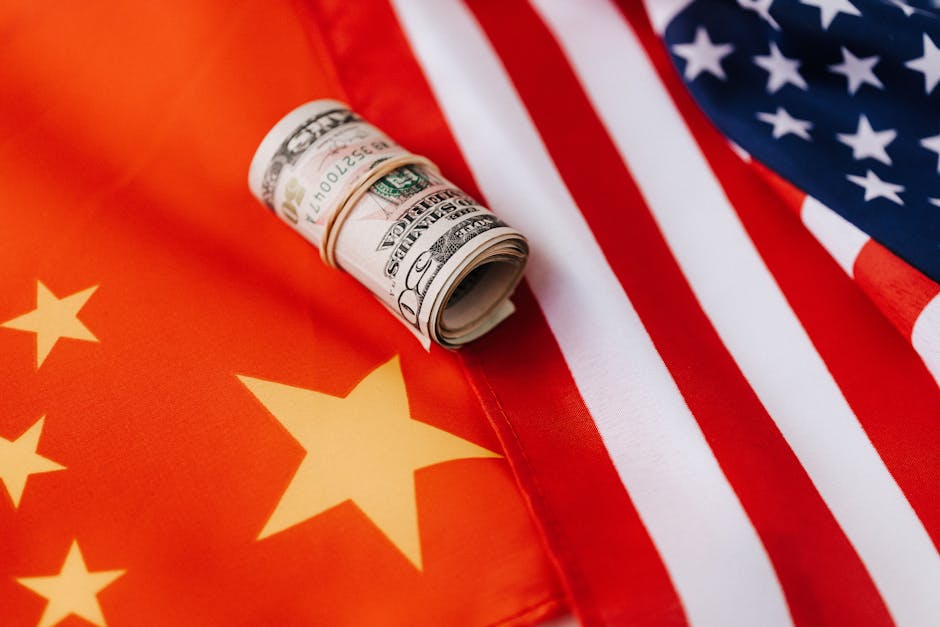
The relationship between the United States and China is one of the most critical determinants of global stability. Under Trump’s administration, this relationship veered towards hostility with tariff wars and accusations regarding trade imbalances. Trump’s demeanor and decision-making process played significant roles in shaping these dynamics, affecting economic and political spheres globally.
Should Trump return to office or significantly influence U.S. politics in the future, his stance on China will likely continue to be a major focal point. Analysts argue that while his tough stance aimed to assert American interests, it occasionally came at the expense of international cooperation and understanding. This complex interplay could swing either towards reconciliation or further conflict.
Mood Swings and Their Consequences

The concept of a world leader’s mood influencing global peace might seem far-fetched, yet Trump’s public persona suggests otherwise. His use of social media platforms like Twitter to voice strong opinions or grievances often resulted in immediate and widespread repercussions on global markets and political climates.
For instance, a single tweet criticizing a foreign power could lead to diplomatic unease or even market instability. While some view these spontaneous expressions as a form of transparency, others argue they undermine the careful work of diplomacy, creating uncertainty and risking conflict.
Potential Role in Future Conflicts

If Trump remains a key figure in shaping the Republican agenda or runs for a future presidency, his influence will likely continue affecting international relations. Advocates assert that his straightforward approach could lead to groundbreaking agreements, while critics fear it might spark unforeseen conflicts.
The strategic decisions made under Trump’s influence could determine the geopolitical landscape for years to come. Whether these decisions foster peace or sow discord will depend on numerous variables, including Trump’s personal inclinations at any given moment.
As global leaders attempt to navigate these turbulent waters, the unpredictable nature of figures like Trump exemplifies the delicate interplay between personality and international peace. The world watches closely, recognizing both the dangers and opportunities such leadership can entail.