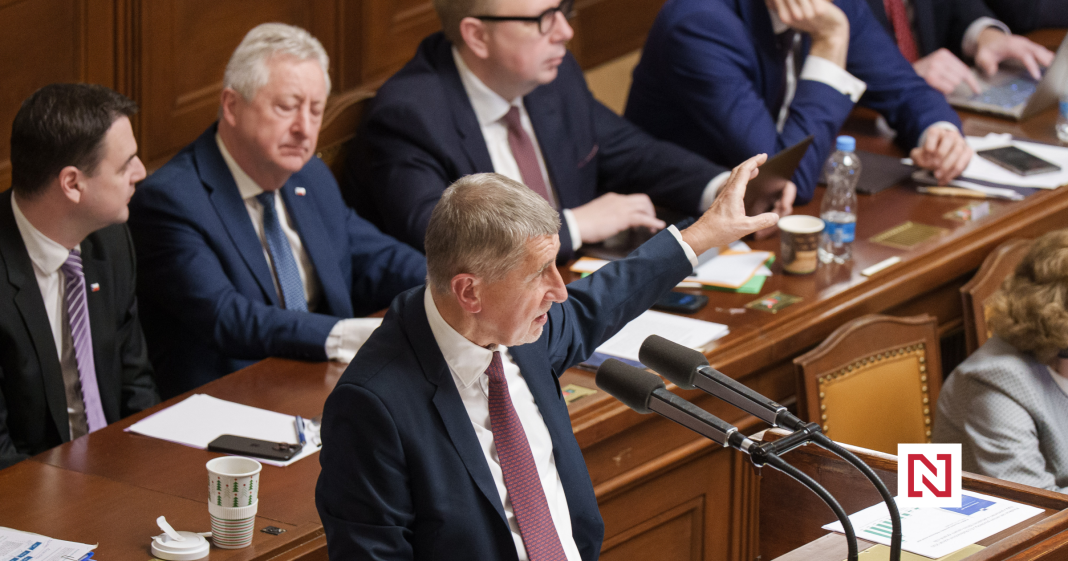

In a surprising development in the Čapí Hnízdo case, Andrej Babiš, the former Czech Prime Minister, has refused to appear in court. This decision has significant implications for both his legal standing and the broader political landscape in Czechia.
Background on the Čapí Hnízdo Case

The Čapí Hnízdo case revolves around allegations of fraud linked to a farm and conference center owned by Babiš’s company. The controversy began when it was revealed that the project received European Union subsidies intended for small businesses, despite being part of a larger corporation. This sparked an investigation into potential misuse of funds and raised questions about transparency and accountability.
Over the years, the case has become a focal point in Czech politics, with Babiš consistently denying any wrongdoing. The legal proceedings have drawn public attention, highlighting issues of corruption and the influence of business interests in government affairs.
Babiš’s Decision to Avoid Court

Babiš’s recent refusal to appear in court has shocked many observers. While he has consistently maintained his innocence, this move suggests a strategic shift in handling the case. Legal analysts speculate that avoiding court appearances could be an attempt to delay proceedings or minimize media exposure.
This decision could potentially have legal ramifications. Failing to comply with court summonses might lead to additional charges or sanctions, potentially complicating Babiš’s legal battles further.
Public and Political Reactions

The public reaction to Babiš’s decision has been mixed. Supporters argue that the case is politically motivated, designed to tarnish his reputation, while critics view his noncompliance as an indication of guilt or disrespect for the judicial process. This polarization reflects broader divisions within Czech society about the role of business in politics.
Politicians and commentators have weighed in, debating the implications of his absence for the rule of law. Some see it as an affront to judicial authority, while others believe it highlights weaknesses in the legal system, emphasizing the need for reforms.
Impacts on the Czech Political Landscape

Babiš’s legal troubles have significant implications beyond the courtroom. Politically, his involvement in the Čapí Hnízdo case has affected his party’s standing and electoral prospects. It has also fuelled discussions on ethics in politics and the need for stricter regulations to prevent conflicts of interest.
The case continues to influence public discourse on governance and anti-corruption efforts in Czechia. It has become a symbol of the ongoing struggle to balance economic interests with political integrity, drawing attention to the broader issues of transparency and accountability in public office.
As the Čapí Hnízdo case unfolds, the next steps remain uncertain. Babiš’s strategy and its potential impact on his political career will be critical in shaping future developments.
Source: Official Czech Courts website.