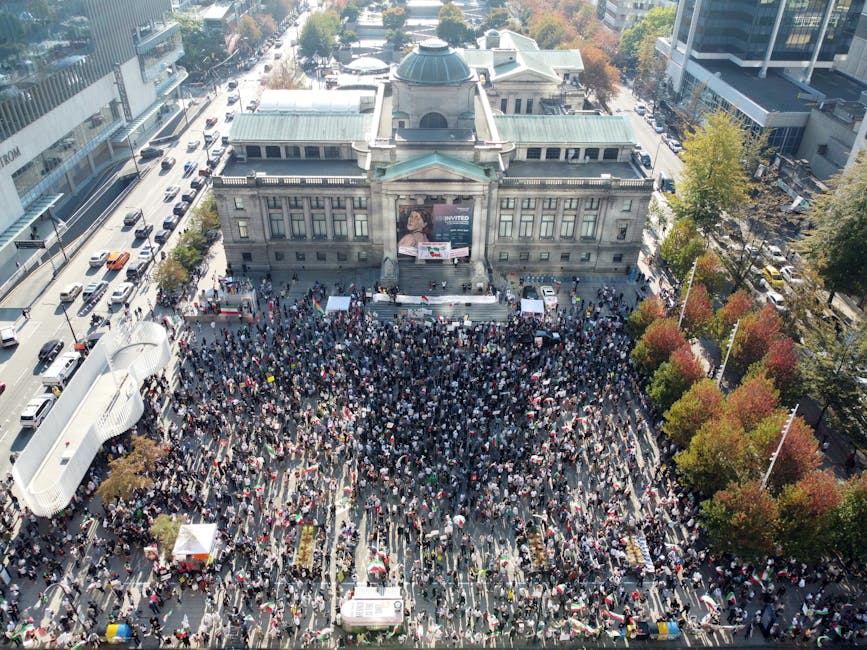

In recent developments, the Iranian government has intensified its stance against protesters, threatening swift trials and immediate executions to deter further dissent. The announcements serve as a stark warning to individuals engaged in ongoing demonstrations across the nation.
Iran’s Government Response

Amidst widespread protests, Iranian authorities have declared their intent to expedite legal proceedings against those arrested. The aim is to deliver what they describe as swift and decisive justice, which has raised significant concerns among international human rights organizations. These trials are expected to be conducted rapidly, with the potential for immediate executions drawing widespread condemnation.
The government views these measures as a necessary response to what it perceives as escalating civil unrest. Officials have further asserted that stringent actions are crucial to maintaining national security and order. However, critics argue that these measures are an attempt to silence dissent and maintain authoritarian control.
International Reactions

The international community has reacted strongly to Iran’s announcement, with numerous countries and organizations calling for restraint and respect for human rights. Amnesty International and Human Rights Watch have both issued statements urging Iran to uphold international legal standards, emphasizing the right to fair trials and due process.
Diplomatic ties are also under scrutiny, as several countries have summoned Iranian diplomats to explain their government’s actions. These nations are pushing for greater transparency in the judicial process, aiming to prevent what they fear could be a series of unjust executions.
Impact on Iranian Society

The threat of immediate executions has reverberated throughout Iranian society, stirring fear and uncertainty among citizens. The crackdown has sparked further protests, with demonstrators demanding accountability and the upholding of civil rights. Despite the risks, these protests are largely seen as a courageous stand against oppressive governmental policies.
Social media has played a crucial role in spreading awareness of the situation, with activists utilizing various platforms to garner international support and solidarity. Iranians both within the country and abroad are rallying to shed light on the harsh measures being imposed and to seek international intervention.
Historical Context

Iran has a history of contentious relations between its government and protesters, stemming from long-standing grievances over political freedom, economic conditions, and human rights. The recent government actions are not unprecedented, reflecting similar patterns of suppression from past decades.
Historically, Iran has employed strict measures to stifle dissent, often resulting in dire consequences for those who oppose the regime. This pattern underscores the ongoing struggle between governmental authority and public dissent, a dynamic deeply ingrained in the country’s socio-political fabric.
The unfolding situation in Iran underscores the fragile balance between security and human rights, raising critical questions about the future of civil liberties in the region.
Source: Official Amnesty International website.