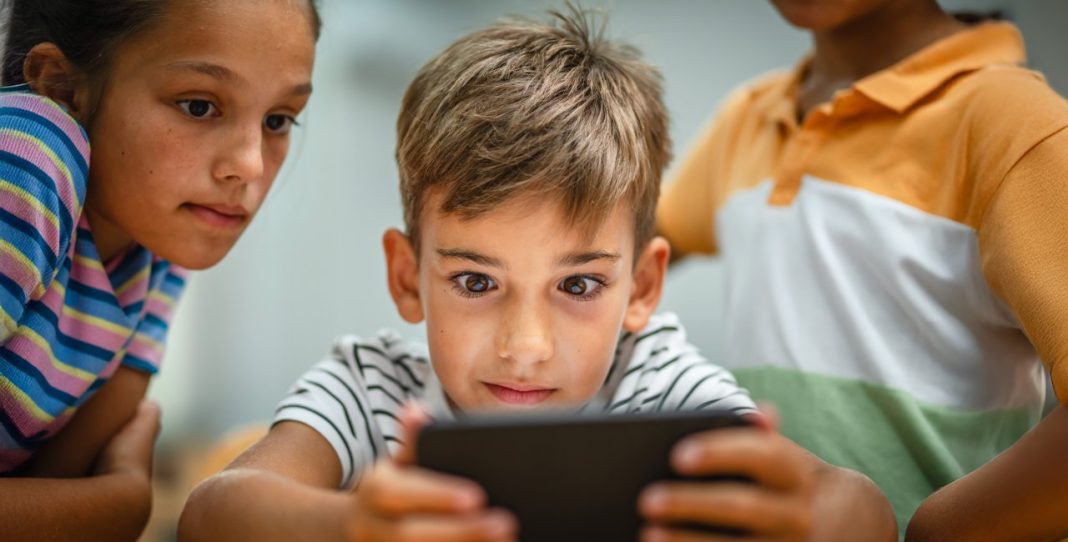

In a move that could significantly impact the educational landscape, the Czech government is considering a total ban on mobile phones in schools by 2026. This proposal aims to address concerns about student distraction and mental wellbeing.
The Proposed Ban and Its Motivation

The Czech Ministry of Education has been evaluating the role of mobile phones in schools. The proposed ban arises from growing concerns about the impact of smartphones on students’ focus, social skills, and mental health. Educators and psychologists have highlighted the distractions caused by mobile devices in classrooms, which could hinder effective learning. By eliminating this interference, the Ministry hopes to foster a more conducive learning environment.
Moreover, studies have shown that excessive screen time can affect children’s social interactions and psychological development. The ban is part of a broader initiative to encourage healthier habits among students. This includes promoting face-to-face communication and ensuring that students engage more with their surroundings and peers.
Reactions from Parents and Educators

Parents and teachers are divided on the issue. Some parents welcome the initiative, believing it could help their children focus better and participate more actively in class. They argue that smartphones have too often served as distractions rather than educational tools. In contrast, other parents express concerns about being unable to reach their children during school hours in emergencies.
Meanwhile, educators have voiced mixed feelings. While many support the move to reduce distractions, some teachers are worried about the practical challenges of implementing a total ban. They point out that mobile phones have become integral to certain teaching methods and argue for a balanced approach, such as designated phone-free times and areas.
Impact on Student Wellbeing

Exposure to social media and constant connectivity can lead to increased pressure, anxiety, and cyberbullying among students. The ban seeks to mitigate these issues by reducing screen time during school hours. Mental health professionals suggest that this could allow students to focus more on developing interpersonal skills and sustaining mental wellness.
However, transitioning away from readily accessible technology may initially cause discomfort for students accustomed to having their phones. Schools may need to develop programs to support students during this adaptation period, ensuring they understand the benefits of reduced phone dependency.
Future Educational Strategies

If implemented, the phone ban could lead schools to adopt new educational strategies. Emphasis might shift toward using technology in ways that enhance rather than detract from learning. For instance, schools might invest in educational technologies that are purpose-driven and integrated into curriculums.
Additionally, the proposal could inspire other countries facing similar challenges to reconsider their own policies regarding tech in classrooms. The Czech approach may set a precedent, showcasing effective balancing of technology and traditional learning environments.
Debates are likely to continue as stakeholders weigh the potential benefits against the practical implications. If the ban becomes a reality, it will represent a significant shift towards prioritizing student wellbeing in educational policy.