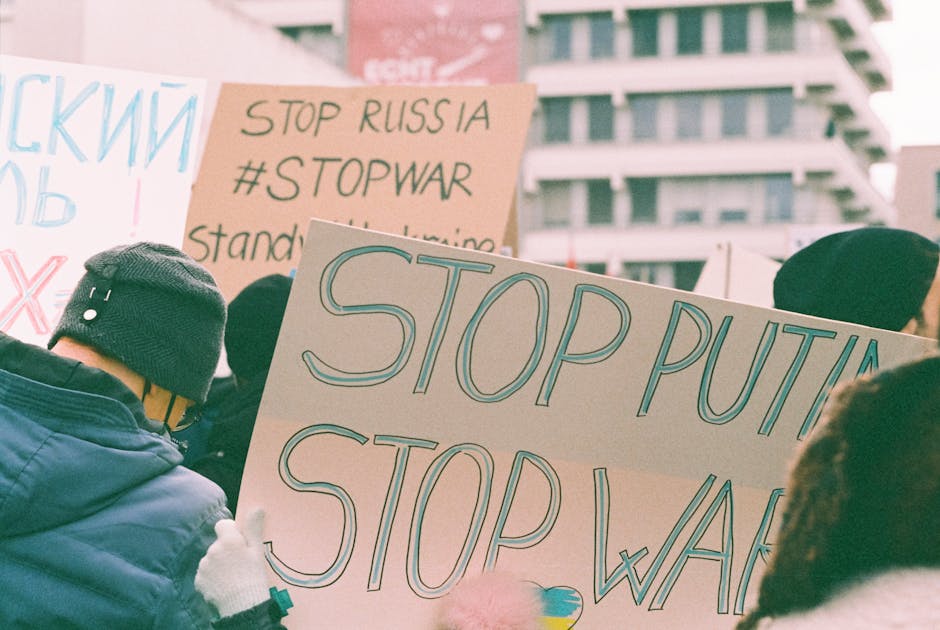

Amid escalating tensions, Ukraine finds itself under severe attack, with President Volodymyr Zelensky advocating for regime change in Russia. The conflict intensifies as Russian forces reportedly employ Iranian-made weapons, exacerbating the situation.
Zelensky’s Call for Regime Change
In a bold statement, President Zelensky has publicly urged for regime change in Russia, highlighting the increasing desperation in Kyiv as the conflict drags on. Zelensky’s appeal underscores Ukraine’s position that until significant political shifts occur in Moscow, lasting peace remains unattainable. Ukrainian officials argue that changing the leadership in Russia could fundamentally alter the dynamics of the conflict, potentially opening new avenues for negotiations.
Despite facing immense pressure, Zelensky continues to rally international support, emphasizing the profound impact that Russian aggression has had on his nation. By encouraging a change in Moscow’s leadership, Ukraine hopes to destabilize the Kremlin’s current trajectory and restore sovereignty over occupied territories.
Iranian Weapons in the Conflict

Alarming reports indicate that Russian forces have increasingly utilized Iranian weapons, including drones, to bolster their military operations in Ukraine. This collaboration between Moscow and Tehran has raised significant concerns among Western nations, who see it as a deepening of alliances that could have broader implications beyond the Ukrainian battlefield.
The use of Iranian technology marks a notable escalation in the sophistication and intensity of attacks carried out by Russia. It further complicates the geopolitical landscape, as Ukraine struggles not only against Russian aggression but also against the sophisticated military assets provided by Iran.
International Response and Sanctions

The international community has reacted swiftly, with several Western countries imposing stringent sanctions against both Russia and Iran. These measures aim to curtail the flow of weapons and diminish the Kremlin’s ability to sustain prolonged military operations. However, as history has shown, the effectiveness of sanctions can be mixed, depending largely on the enforcement and the loopholes that entities might exploit.
European nations, particularly those geographically closer to the conflict, have expressed heightened concerns about security and stability in the region. Diplomatic efforts continue as Ukraine seeks more substantial military and humanitarian aid from its allies.
The Humanitarian Crisis

The conflict has resulted in a significant humanitarian crisis, with millions of Ukrainians displaced from their homes. The infrastructure damage continues to grow, with residential areas, schools, and hospitals frequently targeted, leading to devastating civilian casualties.
International organizations are actively involved in providing relief and support to affected populations. However, the challenges remain overwhelming. Access to conflict zones is often restricted, complicating aid delivery and exacerbating the plight of those trapped in the worst-hit regions.
As the situation develops, President Zelensky’s call for regime change and the involvement of Iranian weapons highlights the complex and evolving nature of the conflict in Ukraine. Continued international engagement and strategic decision-making will be crucial in resolving this crisis.