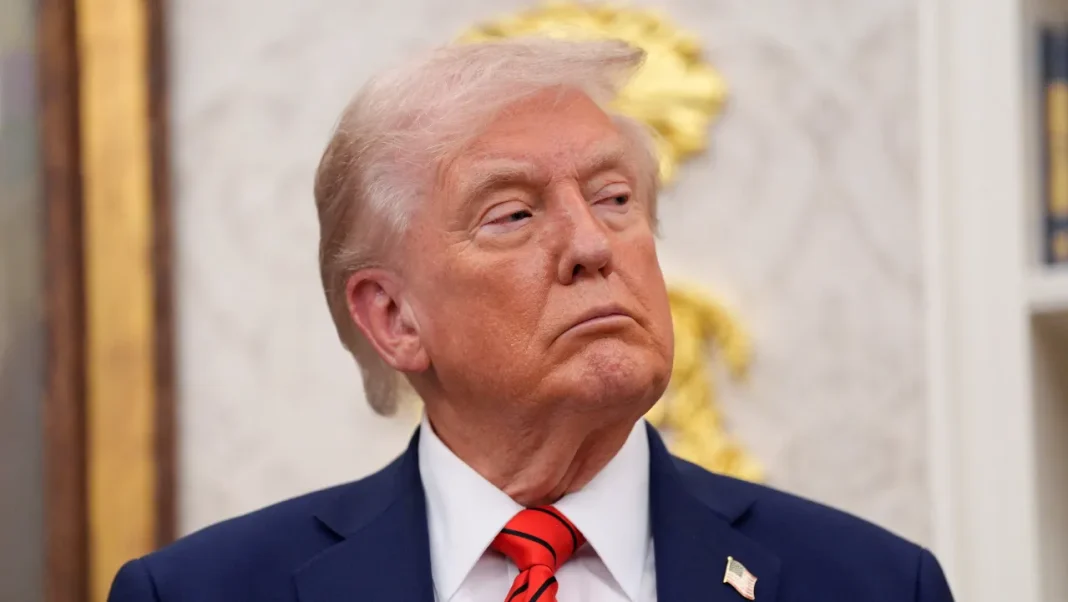

In a bold move aimed at increasing economic pressure on Iran, former President Donald Trump announced a 25% tariff on countries conducting trade with the Middle Eastern nation. This decision marks a significant escalation in the complex geopolitical landscape and has raised concerns about the potential global economic repercussions.
Impact on International Relations
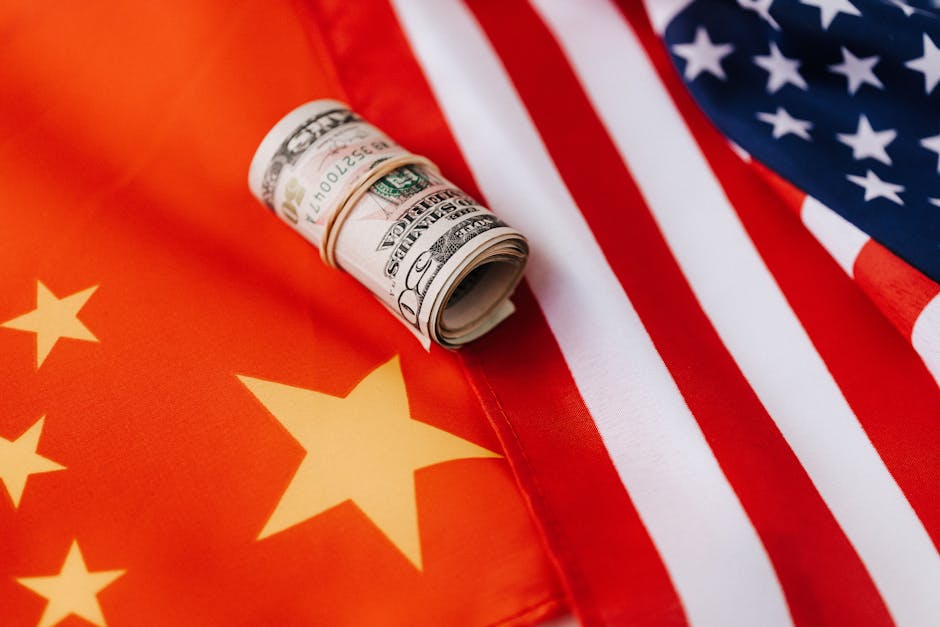
The introduction of this tariff has garnered international attention, with several nations expressing their disapproval. Allies and trade partners of the United States are particularly affected as they navigate the complexities of maintaining their economic ties with Iran while adhering to U.S. policies. This move may strain diplomatic relationships and lead to realignments in global alliances.
Countries within the European Union, many of which have commercial interests in Iran, are faced with difficult choices. Balancing adherence to U.S. policy while preserving their trade agreements with Iran puts them in a challenging position. The potential for a ripple effect, impacting trade negotiations and economic partnerships worldwide, cannot be underestimated.
Economic Implications for the U.S.

While the tariff is primarily aimed at pressuring Iran, it also has significant implications for the U.S. economy. The increased tariffs could result in higher prices for imported goods, potentially affecting American consumers and businesses that rely on international supply chains. Additionally, U.S. exporters might face reciprocal measures from affected countries, complicating the global market environment.
Some economists speculate that these tariffs could inadvertently harm U.S. trade competitiveness, particularly in sectors where American businesses rely on complex international networks. Companies might need to identify alternative markets or adjust their strategies to mitigate these impacts, leading to changes in product pricing and availability domestically.
Reactions from Affected Countries

Countries with established trade relations with Iran have voiced their concerns. For instance, China and India, significant importers of Iranian oil, have highlighted the challenges this tariff poses to their energy sectors. These nations are now exploring alternative solutions, such as diversifying their sources of oil or negotiating waivers from the United States.
The decision also raises questions about the global oil market, as changes in supply dynamics could influence oil prices. Energy-dependent industries are closely monitoring the situation, preparing to adapt to shifts in availability and pricing as a result of heightened trade tensions.
Potential for Diplomatic Negotiations

The introduction of tariffs often signals the beginning of a series of diplomatic negotiations. Nations affected by these new measures are likely to engage in dialogue with the U.S. to explore potential resolutions. Such discussions could lead to the establishment of exemptions or gradual policy adjustments.
Observers suggest that these diplomatic engagements might also open avenues for broader discussions on issues beyond trade, including security and regional stability. The outcome of these talks could shape international relations in the coming years, influencing not only economic policies but also diplomatic alliances.
As tensions rise, the global community is closely watching to see how this situation will evolve. The long-term effects of this tariff on international trade and diplomacy remain uncertain, prompting governments and businesses to prepare for a rapidly changing geopolitical landscape.