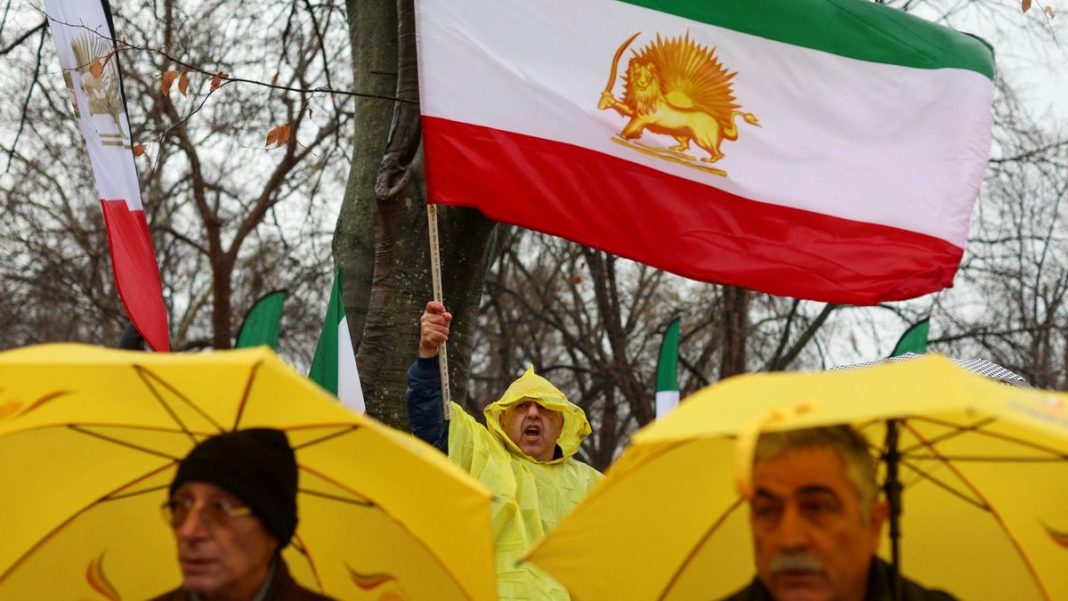

Recent reports indicate that 648 protesters have been killed during the ongoing demonstrations in Iran. These alarming figures were provided by a non-governmental organization monitoring the situation.
Background of the Protests

The protests in Iran began as a response to socio-political grievances, initially sparked by the death of Mahsa Amini while under police custody. Amini’s death has ignited a wave of nationwide demonstrations, with citizens demanding more freedom and reforms. The protests have evolved into a broader movement against the current Iranian regime, highlighting deep-seated discontent among the populace.
The Iranian government has been criticized internationally for its handling of the protests. Reports suggest that security forces have responded with significant force, leading to numerous casualties among the demonstrators.
Role of Non-Governmental Organizations

Various non-governmental organizations (NGOs) have been instrumental in documenting the events unfolding across Iran. These organizations have provided crucial data regarding the scale of the violence and the number of casualties. The reported death toll of 648 is a significant figure, shedding light on the severe implications of governmental crackdowns.
NGOs often face challenges in verifying information due to restricted access and communication barriers set by the Iranian authorities. Despite these challenges, their reports remain a vital source of information for the international community.
International Reaction

The global community has expressed concern over the human rights situation in Iran. Several countries and human rights organizations have called for independent investigations into the violence against protesters. Diplomatic pressure is mounting on Iran to alter its approach to handling civil unrest.
The European Union and the United Nations have voiced the need for accountability and reforms. Continued international scrutiny remains essential to ensure that the grievances of the Iranian people are addressed.
Implications for Iran

The protests have brought to light significant internal challenges for Iran, posing a test to the current government’s stability. The demands for reform may lead to increased political pressure from within the country. As the demonstrations continue, the Iranian government faces the dilemma of adopting either a conciliatory or a repressive approach.
The ongoing situation could foreseeably impact Iran’s future, potentially influencing policy changes and shifts in governance. How the government chooses to navigate this crisis will likely define the nation’s trajectory in the coming years.
As international attention remains focused on Iran, the coming weeks will be crucial in determining the potential outcomes of this critical juncture.