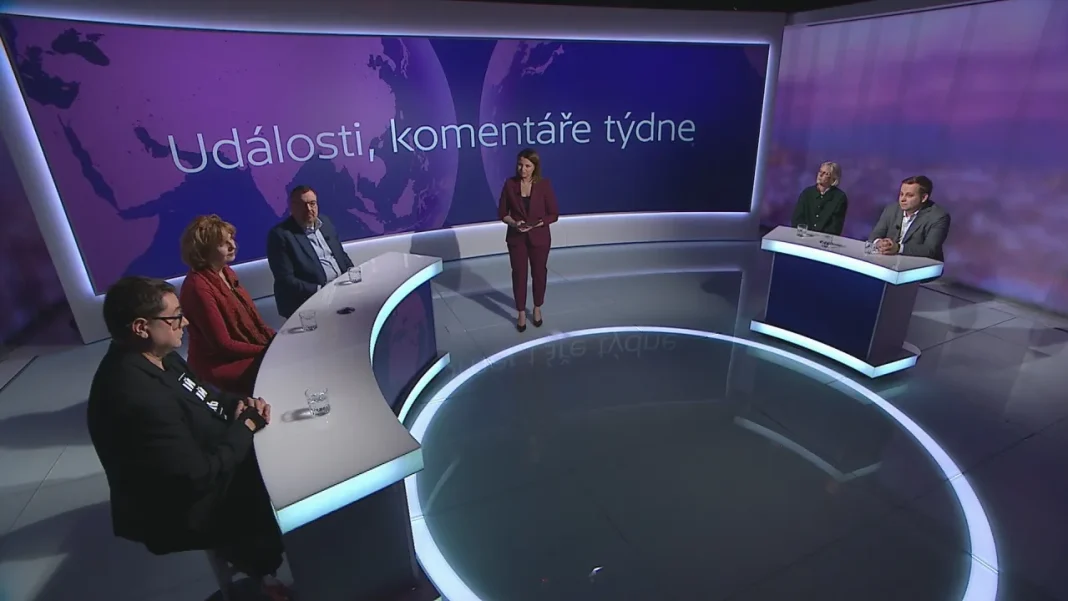

The appointment of governmental ministers often stirs robust discussion, highlighting the complexities of political decision-making. Recently, Turek’s absence from the ministerial appointment list has become a focal point in weekly commentaries, delving into the intricacies behind this decision.
Understanding the Context

Turek’s anticipated appointment as a minister was a topic of considerable debate within political circles. With his extensive background and contributions to various projects, many believed he was a prime candidate. However, despite these qualifications, political dynamics and alliances within the governing parties often play a critical role in appointment decisions.
Several weekly commentaries have attempted to unravel why Turek was overlooked, citing internal disagreements within parties and a shift in strategic priorities as potential reasons. This situation exemplifies how political maneuvering can impact even the most qualified candidates.
Political Alliances and Their Influence

A critical factor influencing ministerial appointments is the landscape of political alliances. In the current government, coalition agreements necessitate careful negotiation and compromise. Turek, despite his capabilities, may not have aligned perfectly with the strategic goals of the coalition leaders.
According to some analysts, the decision to overlook Turek may reflect a broader attempt to maintain or shift power balances within the government. The intricacies of these alliances often remain behind closed doors, leaving the public to speculate and debate.
Public Reaction and Media Analysis

The public and media have reacted with a mixture of surprise and critique regarding Turek’s non-appointment. While some view it as a missed opportunity for the government, others see it as a strategic decision that aligns with broader political objectives.
Media commentaries have particularly focused on the transparency of the appointment process. Concerns about favoritism and opaque decision-making processes have surfaced, prompting discussions on the need for more clarity in how ministerial roles are allocated.
Implications for Future Policy

The exclusion of Turek from a ministerial role could have long-term implications for policy directions. His expertise might have influenced various sectors had he been appointed. Thus, his absence raises questions about the future trajectory of related policies.
On a broader scale, this decision might set a precedent for how candidates are evaluated for government positions, shifting emphasis towards political alignments rather than purely qualifications and experience.
In conclusion, the discussion surrounding why Turek was not appointed as a minister underscores the complex interplay of politics, strategy, and public scrutiny. As the dust settles, only time will reveal the full impact of this decision on the political landscape and policy development.