
As the political landscape in Czechia evolves, the spotlight turns to Turková’s potential path to government and what role Babiš might play in this dynamic setting. With public interest in transport policies growing, especially among motorists, these developments could signal major shifts.
Turková’s Rise and Influence

Turková has emerged as a prominent figure among motorists in Czechia, largely due to her advocacy for improving infrastructure and transportation systems. Her work has gained attention not only for its relevance to daily commuters but also for its potential impact on national policies. As she navigates her path to a potential government role, her background in public administration and transport might earn her significant support from those who prioritize efficient, sustainable travel solutions.
Moreover, Turková’s commitment to transparency and public engagement has helped build her reputation. By actively participating in community forums and collaborating with transportation professionals, she aims to create a platform that resonates with the public’s needs. This strategy not only strengthens her position but might also lay the groundwork for her involvement in governmental decision-making processes.
Babiš’s Possible Moves

Andrej Babiš, a notable figure in Czech politics, adds another layer of complexity to this evolving scenario. Known for his influential role in economic policies, Babiš’s next steps could either complement or conflict with Turková’s aspirations, especially given the broad implications of transportation infrastructure on various economic sectors.
While Babiš has historically focused on financial stability and growth, any shift towards supporting transportation initiatives might signal an alignment or strategic positioning. His stance on collaboration or potential opposition can significantly influence Turková’s path, as it may affect public perception and political alliances.
Impact on Motorists and Transportation Policies
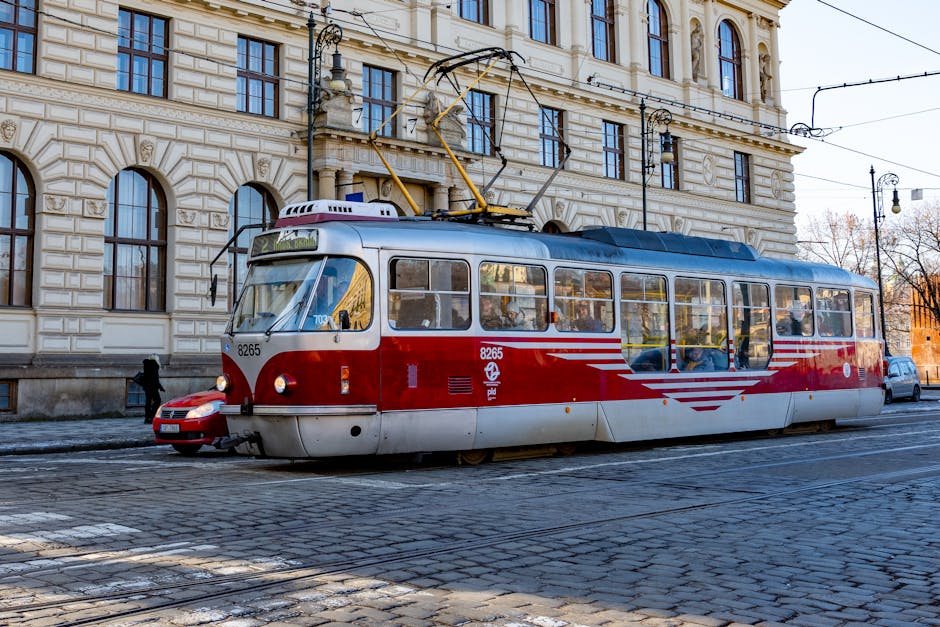
The focus on transportation issues reflects broader public concerns about outdated infrastructure and commuter inconveniences. For motorists, who represent a substantial stakeholder group, both Turková’s and Babiš’s decisions carry substantial weight. Improvements in this area are seen as pivotal in enhancing daily life and economic productivity.
Debates on funding, sustainability, and innovation in transportation solutions are likely to gain traction. This policy focus might revitalize interest in public-private partnerships aimed at delivering comprehensive improvements across Czechia’s road networks.
Public and Political Reactions

The public’s response to these political maneuvers remains a critical factor. Depending on how effectively Turková and Babiš address transportation challenges, their political futures might be shaped significantly by voter satisfaction or discontent. Public opinion polls could serve as a barometer for their strategies’ effectiveness and acceptance.
Political analysts suggest that any successful initiative will likely need to incorporate elements of economic efficiency, environmental responsibility, and technological advancement. These components not only cater to public demand for change but also align with European standards for sustainable development.
The coming months will be telling as Turková navigates the political landscape alongside Babiš. Whether through collaboration or competition, their actions will undoubtedly influence the future direction of transportation policies in Czechia.
Source: Official Czech Government website.