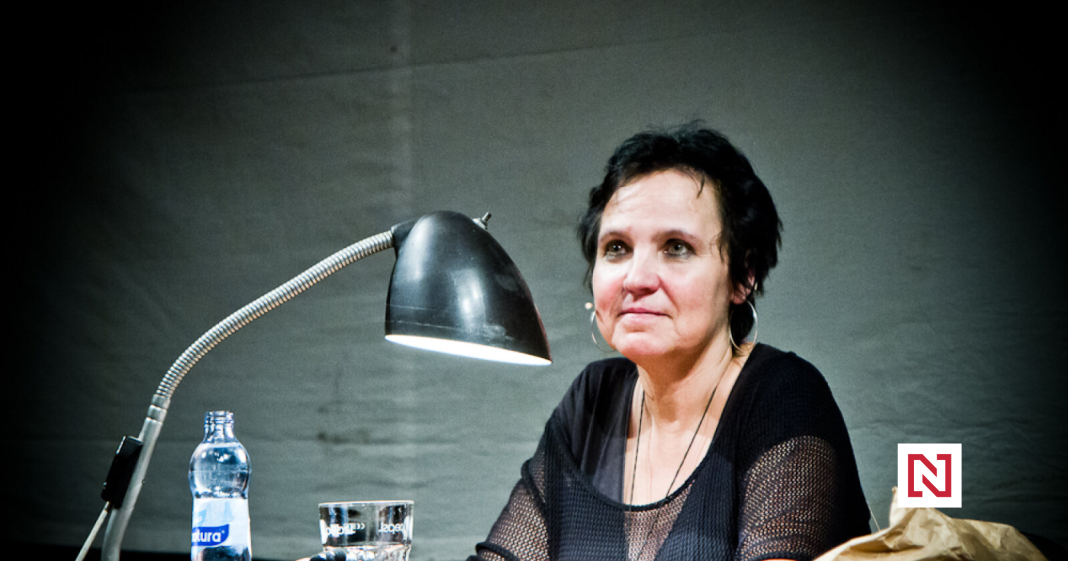

The question of whether Czechs are Eastern Europeans has been a topic of debate among scholars and locals alike. With the insights of writer Fischerová, we delve into the cultural and historical nuances that shape this identity.
Understanding the Geographical Context

Eastern Europe is a term that has long been used to describe a diverse group of countries with varied histories and cultures. For many, the designation carries historical connotations tied to the Cold War era. In this context, the nations behind the Iron Curtain, including Czechoslovakia, were generally labeled as Eastern European. However, geographically, the Czech Republic lies more centrally on the continent, raising questions about the accuracy of this classification.
Writer Fischerová explores the impact of this geographic ambiguity on national identity. Her work highlights how geographical labels can influence international perceptions and subsequently affect the self-perception of a nation’s citizens. While some embrace the Eastern European identity as a nod to shared history, others resist it in favor of a Central European identity that they feel better represents their cultural and historical experiences.
Cultural Identity and Historical Influence

Fischerová discusses how cultural identity in Czechia is crafted through a unique blend of Western and Eastern influences. This blend is evident in art, literature, and social customs, where both Slavic traditions and Western European innovation play significant roles. The dynamic cultural evolution is central to understanding why the Eastern European label can feel restrictive or inadequate to many Czechs.
The historical influences from the Austro-Hungarian Empire and later the Soviet regime have left indelible marks on the Czech cultural landscape. Fischerová illustrates how these influences have created a hybrid identity that refuses to be neatly categorized. By acknowledging this complex heritage, Czechs can embrace a more nuanced sense of self that transcends simple geographic labels.
The Role of Politics in Regional Identity
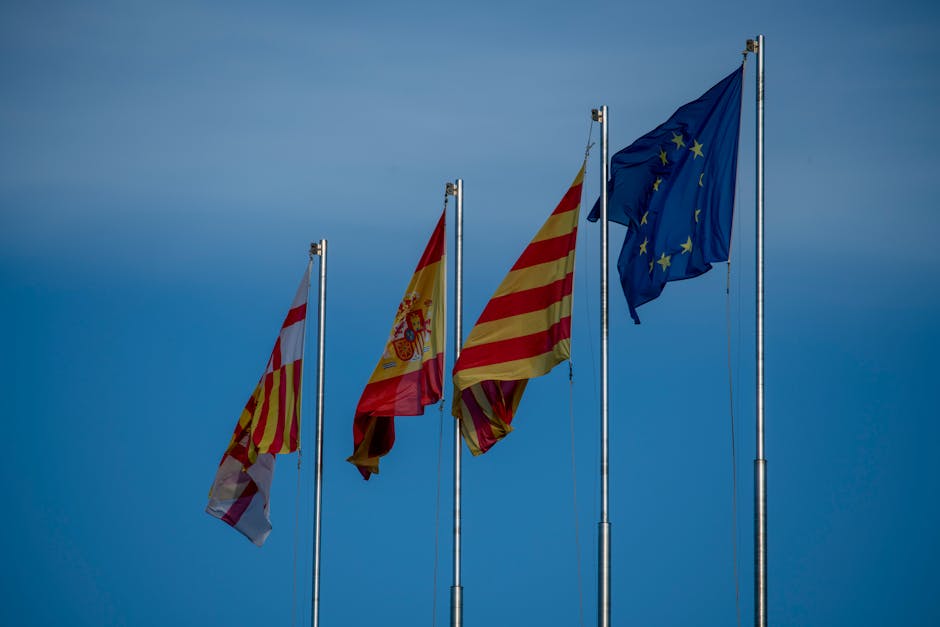
Political decisions and alliances have also played a significant role in shaping regional identities in Europe. The recent history of the European Union, of which Czechia is a member, and the ongoing geopolitical shifts have redefined what it means to be part of Europe. Fischerová points out that political alignment with Western Europe has played a crucial part in Czechia’s self-identification as distinct from its Eastern neighbors.
This political alignment has fostered a sense of belonging within a more Western framework, impacting national policies, economic strategies, and cultural engagement on the global stage. As a result, calling Czechs Eastern Europeans can seem anachronistic, ignoring these contemporary alignments and aspirations.
The Czech Perspective on Identity

Through interviews and essays, Fischerová provides insight into how ordinary Czechs perceive their place in Europe. Many express a desire to be seen as Central Europeans, aligning themselves with neighbors like Austria and Germany, rather than with Russia or other Eastern states. This preference is rooted in shared cultural and historical ties that date back centuries.
Moreover, Fischerová emphasizes that these identity preferences are not just academic debates but have real implications for how Czechs interact with the wider world. The way a nation is perceived on the international stage can influence everything from tourism to diplomatic relations, making the pursuit of a well-defined national identity a matter of both pride and practicality.
In conclusion, the question of whether Czechs are Eastern Europeans remains complex and layered. Fischerová’s insights remind us that identity is more than geographic location; it is a tapestry woven from historical, cultural, and political threads. As Czechia continues to navigate its place in the modern world, its multifaceted identity invites both reflection and appreciation.