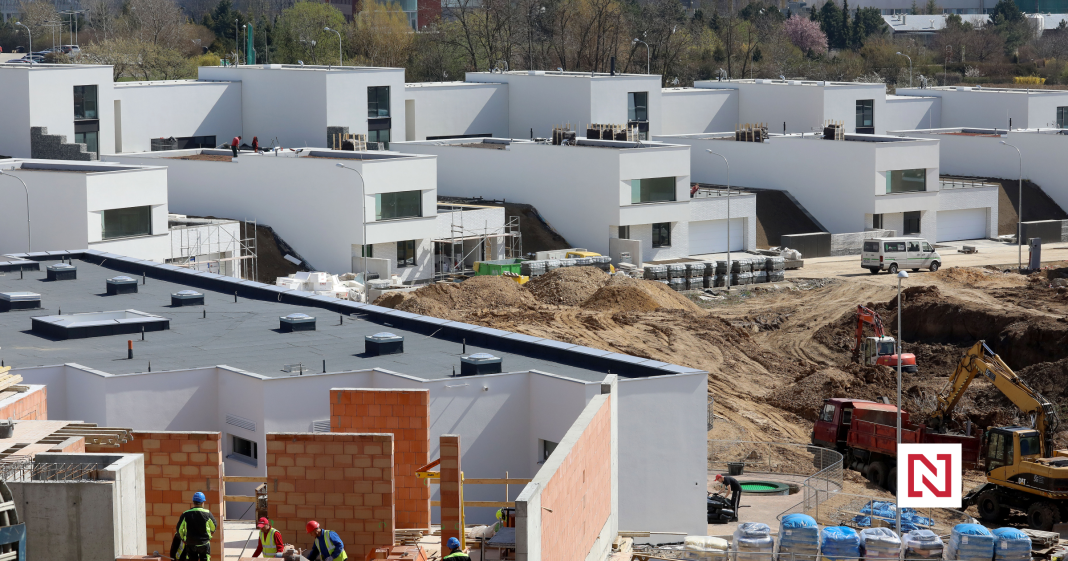

The new building law in the Czech Republic has sparked significant debate, with critics arguing that it favors large developers at the expense of local communities. Concerns are mounting about the balance of power in urban development and its impact on local neighborhoods.
Key Provisions of the New Building Law

The new legislation streamlines the permit process for construction projects, which is a move applauded by developers looking to expedite their plans. By consolidating permit approvals into a single authority, the law aims to reduce bureaucracy and foster a more efficient building process. However, this shift has raised alarms among community groups concerned about the diminished role of local input.
Critics argue that while the law simplifies procedures, it may also bypass important checks that traditionally involve local municipalities. This change potentially allows large-scale developments to proceed with minimal consultation from affected neighborhoods, raising fears of unchecked urban sprawl and a loss of local character.
Impact on Local Communities

Community leaders are vocal about the potential consequences of the new law. They worry that smaller local stakeholders will have less say in developments that could dramatically alter their surroundings. The law’s emphasis on speed and efficiency could overshadow considerations about community needs and environmental impacts.
Local residents have already started organizing meetings and campaigns to voice their concerns. These efforts aim to ensure that development projects reflect the interests and needs of the community and that there remains a channel for local voices in the planning process.
Developers’ Perspective

From the developers’ standpoint, the new law is a welcome change that addresses long-standing frustrations about delays in the building process. They argue that by reducing red tape, the law facilitates economic growth and addresses the housing shortage in urban areas like Prague.
Developers emphasize that the streamlined process can lead to more housing availability and potentially lower costs for consumers. They advocate for a balanced view, insisting that efficient development benefits not just companies but the broader society as well.
Government’s Position and Response

The government has defended the legislation by highlighting its potential to stimulate investment and economic activity. Authorities claim that the new measures are designed to strike a balance between progress and community involvement but acknowledge the need for careful implementation.
Officials have pledged to monitor the impact of the law closely and to make adjustments if necessary. They express an understanding of community concerns and promise channels for feedback to ensure the law serves both development goals and community welfare.
As the debate continues, the new building law remains a controversial topic in the Czech Republic. Its implementation will be a crucial factor in determining whether the law can harmonize the interests of developers and local communities.