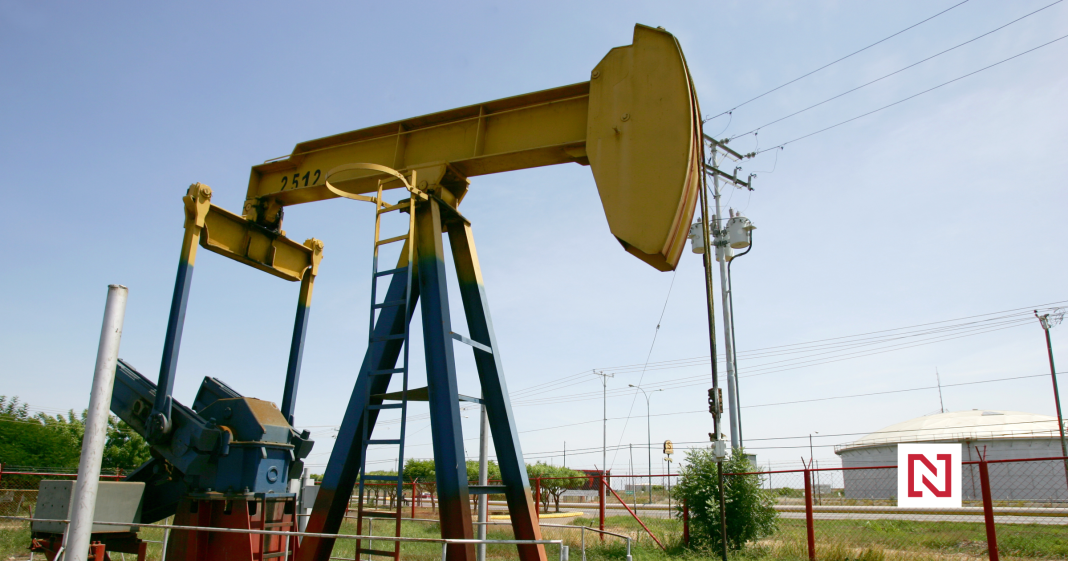

Former President Donald Trump’s efforts to tap into Venezuelan oil have encountered significant hurdles amidst low global demand and major investments in the oil sector. This geopolitical maneuver, aimed at securing energy resources, presents numerous challenges for the Trump administration.
Political Maneuvers in the Oil Landscape

Trump’s interest in Venezuelan oil stems from the strategic necessity to diversify energy sources and reduce dependency on Middle Eastern supplies. However, the political climate in Venezuela, marked by stringent U.S. sanctions and a complex internal power struggle, complicates any attempt to establish a foothold in its oil market. The sanctions have effectively barred U.S. companies from negotiating directly with the Venezuelan government, forcing the Trump administration to explore alternative diplomatic routes.
Moreover, the international community’s divided stance on the legitimacy of Venezuelan President Nicolás Maduro’s government adds another layer of complexity. Trump’s administration has supported opposition leader Juan Guaidó, impacting bilateral relations and complicating negotiations. This political backdrop has made it challenging to secure favorable terms for potential oil deals.
Impact of Global Oil Demand

The global demand for oil has experienced a marked decline, exacerbated by the COVID-19 pandemic and the ongoing transition towards renewable energy. This downturn has pressured oil prices, making investments in new oil ventures less attractive. Trump’s strategy to invest in Venezuelan oil is hindered by this weakened market demand, which may result in less economic benefit than anticipated.
The fluctuating demand has also influenced how investors and oil companies assess the viability of entering the Venezuelan market. With alternative energy gaining traction, long-term commitments in traditional oil ventures become riskier. Consequently, Trump’s pursuit of Venezuelan oil must contend with both immediate and future market dynamics.
Massive Investments Required

Sourcing oil from Venezuela entails substantial financial investment to revamp its aging infrastructure. The country’s oil production facilities have suffered from years of neglect, requiring extensive modernization to meet international standards. These renovations come with hefty price tags that deter potential investors wary of unstable returns in a volatile political environment.
Additionally, the technological and logistical challenges of extracting and refining Venezuelan crude oil, known for its heaviness and high sulfur content, entail further capital expenditure. These factors compound the risks associated with investing in the Venezuelan oil sector, posing a daunting challenge for Trump’s administration.
Future Implications for U.S.-Venezuela Relations

Trump’s aspirations to engage with Venezuela’s oil resources could reshape future diplomatic ties between the United States and Venezuela. Pursuing these avenues necessitates carefully navigating the political landscape to avoid alienating allies or inadvertently supporting controversial regimes.
Long-term, the success or failure of these efforts could set a precedent for how the U.S. engages with politically unstable, resource-rich nations. It could also influence how future administrations decide their foreign energy policies. Balancing these intricate factors is vital for sustaining diplomatic credibility and securing energy stability.
While Trump’s quest for Venezuelan oil faces notable obstacles, it reflects broader geopolitical aims and energy strategies. The outcomes of this endeavor will likely influence U.S. foreign policy and energy independence going forward.