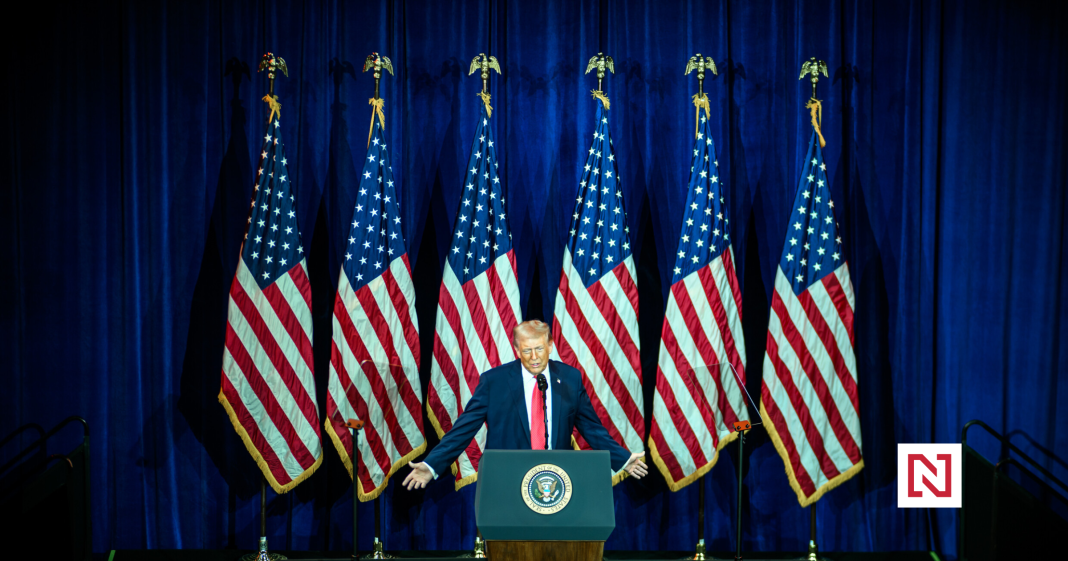

The recent introduction of Donald Trump’s “Jungle Law” policies has sparked considerable debate and scrutiny. These policies represent a departure from conventional regulatory frameworks, raising questions about their impact and underlying motivations.
What Are the “Jungle Law” Policies?

The term “Jungle Law” refers to a set of legal principles championed by Donald Trump that advocate for reduced governmental intervention and heightened individual responsibility. This approach suggests that a less regulated environment allows for natural economic competition, akin to survival of the fittest in a jungle ecosystem.
Proponents argue that these policies foster innovation and entrepreneurship by minimizing bureaucratic hurdles. They believe that when individuals are free from excessive regulations, they are more likely to take risks, which can lead to increased economic growth and national prosperity.
Implications for the Business Sector

For businesses, “Jungle Law” policies could mean reduced compliance costs and greater freedom in operations. Many business leaders support this shift, emphasizing the potential for revitalized entrepreneurial ventures and streamlined processes. Small businesses, in particular, may find the reduced burden of compliance attractive, allowing them to allocate resources more effectively.
However, critics caution that these policies could lead to unchecked corporate practices, increased inequality, and possible exploitation. Without adequate oversight, there may be concerns about ethical conduct, environmental impact, and consumer protection.
Environmental and Social Concerns

Environmentalists have expressed significant concern about the potential rollbacks of environmental protections under the guise of “Jungle Law.” The easing of regulations could lead to increased pollution and depletion of natural resources, impacting ecosystems and climate change efforts.
Social advocates fear that such policies might disproportionately affect marginalized communities, widening the gap between different socioeconomic groups. With less government intervention, resources might not be equally distributed, leading to a potential increase in social unrest.
Legal and Political Reactions

Legally, the implementation of “Jungle Law” policies may face challenges as opponents could argue that they infringe on civil rights and existing legislative frameworks. The courts might become battlegrounds for these debates, determining the feasibility and legality of Trump’s approach.
Politically, the policies have polarized public opinion. Supporters view them as a necessary rejuvenation of the national economy, while detractors see them as a return to predatory practices that could harm the public interest. This divide is likely to influence upcoming elections and policymaking decisions.
As “Jungle Law” policies continue to develop, close observation and active discourse will be essential to ensure they serve the broader interests of society. While they offer potential financial benefits, the social and environmental costs must be carefully weighed.
Source: Official White House website.