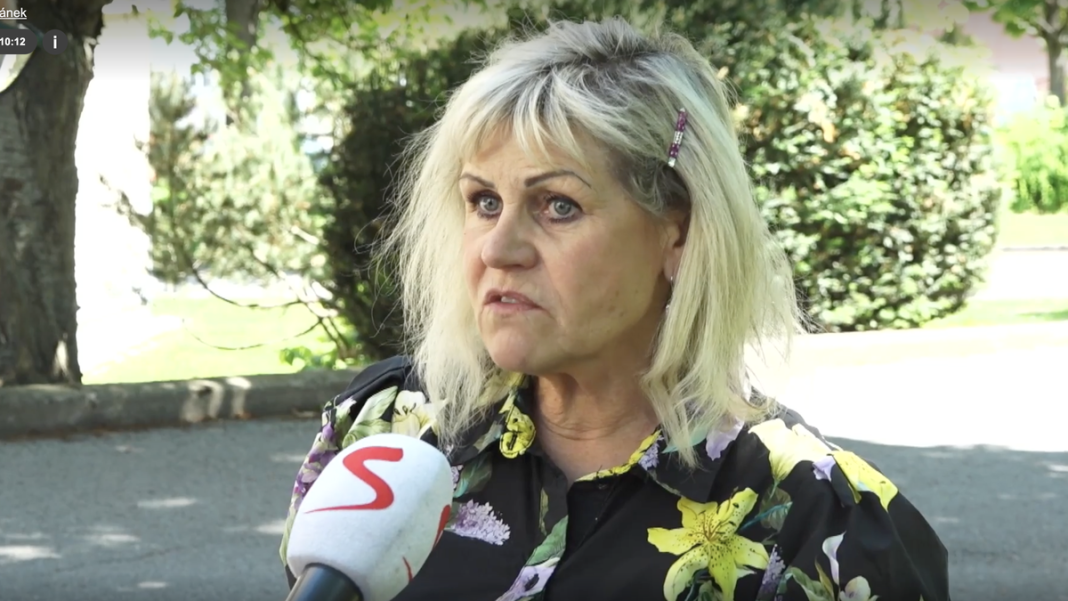

Macinka’s progression from a political candidate to an executive role marks a significant milestone in her career. Yet, the question remains: when will this transformation be officially acknowledged?
The Journey from Candidate to Executive

Macinka’s rise from a promising candidate to holding an executive position is a narrative of determination and skill. Her career began in the political arena, where she quickly gained recognition for her strong stance on various issues. As she garnered support, it became evident that her leadership abilities were bound to transcend her initial role.
As she transitioned into an executive position, Macinka has brought a fresh perspective to her role. Her experience as a candidate has equipped her with insight into both public expectations and policy-making, making her well-suited for executive responsibilities. These early experiences have honed her skills in negotiation and strategic planning, which are critical in guiding her team toward common goals.
Impact on Governance

Macinka’s new role as an executive holds the potential for significant changes in governance. Her firsthand understanding of the electoral process gives her a unique edge in addressing constituents’ concerns effectively. By bridging the gap between policy formulation and implementation, she aims to enhance transparency and accountability within her division.
Her executive leadership is also expected to bring about changes in organizational culture, focusing on diversity and inclusion. Macinka is known for advocating equitable practices and this is likely to reflect in her governance style, fostering a more cohesive and innovative workplace.
Challenges and Opportunities

Stepping into an executive role comes with its own set of challenges. Macinka needs to navigate the complexities of organizational hierarchy while asserting her vision. The balance between maintaining relationships and pushing for reform is delicate, requiring adept communication and decision-making skills.
However, these challenges also present opportunities for growth and innovation. By leveraging her political experience, Macinka is well-positioned to introduce novel solutions to longstanding issues, thereby setting a precedent for future leaders. Her success could serve as a catalyst for other candidates aspiring to transition into executive roles.
Recognition and Official Acknowledgment

Despite her substantial contributions, the official recognition of Macinka’s transition remains pending. The delay in acknowledgment raises questions about procedural transparency and the criteria for recognizing such transformations. As stakeholders await official announcements, the anticipation underscores the importance of clear communication from governing bodies.
The formal acknowledgment of Macinka’s role will not only mark a personal achievement but also reinforce the significance of transitioning talents within organizational structures. It could serve as a case study for institutional protocols regarding career progressions.
As Macinka continues to lead and inspire, the official recognition of her transition remains an awaited milestone. Her journey highlights the transformative power of perseverance and skill in achieving career goals.