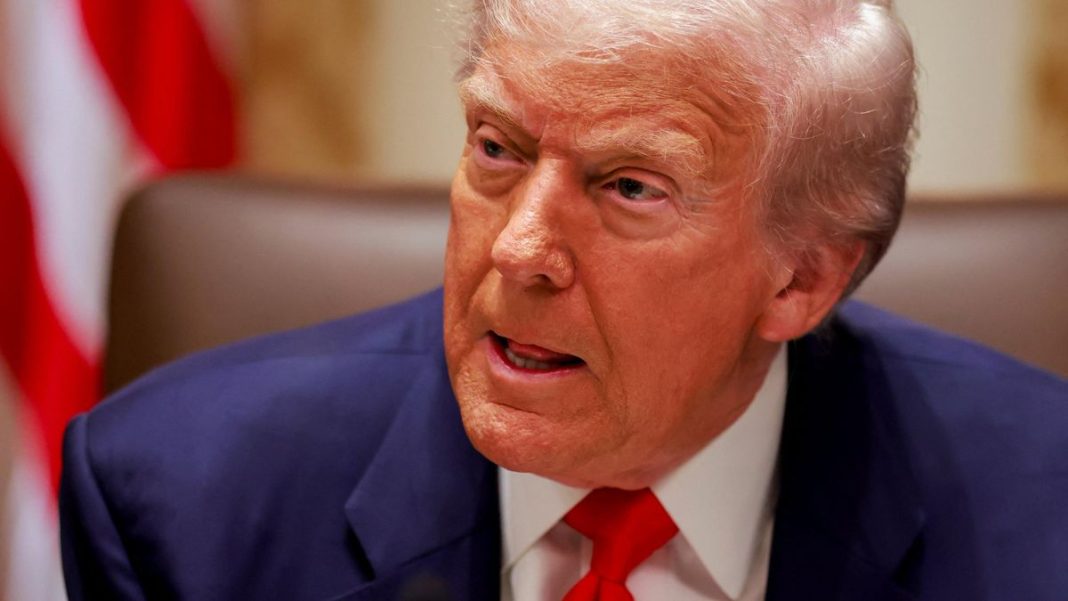

The recent proposal by former President Donald Trump to ban dividends and stock buybacks for U.S. military contractors marks a significant shift in the financial practices of defense companies. This move is expected to stir debate over the balance between corporate profits and national security interests.
Understanding the Proposal

Trump’s proposal aims to restrict military contractors from distributing dividends to shareholders and engaging in stock buybacks. These financial strategies have long been employed by companies to return profits to investors and increase share value, respectively. The rationale behind the proposal is to ensure that these funds are redirected towards R&D and innovation, critical for maintaining the military’s competitive edge.
Proponents argue that limiting these financial activities could lead to more resources being funneled into developing cutting-edge technologies and weapon systems. This approach aligns with Trump’s broader vision of strengthening the U.S. military through enhanced capability and readiness.
Potential Economic Impact

The implementation of such a ban could have significant economic implications for the defense industry. Military contractors may face challenges in attracting investors, who often rely on dividends and buybacks for returns. This could lead to a reassessment of company valuations and impact stock prices.
Moreover, the potential redirection of funds may influence the research and development landscape, potentially fostering innovation. Companies may invest more aggressively in new technologies, which could result in advancements benefiting both military and civilian sectors.
Industry Response

The defense industry is likely to respond to this proposal with varied reactions. Some executives may support the initiative, viewing it as an opportunity to bolster their R&D efforts and secure future contracts through technological prowess. Others might be wary of the limitations imposed on financial flexibility and investor relations.
The industry will also closely watch the legislative process around this proposal. If enacted, companies might adjust their strategies to comply while ensuring their competitive positioning in the market.
Political and Public Perspectives

Politically, the proposal is expected to generate diverse opinions. Some lawmakers may view it as a necessary move to prioritize national security over corporate profits. Others could argue that it oversteps governmental intervention in business practices.
Public opinion might also be divided. While some citizens may support efforts to enhance military capabilities, others could express concerns over potential economic repercussions and their effects on job security within the industry.
In conclusion, Trump’s proposal to ban dividends and stock buybacks for U.S. military contractors introduces a provocative change to traditional financial practices in the defense sector. As discussions evolve, the balance between economic interests and national security priorities will remain a focal point of debate.
Source: Official U.S. Department of Defense website.