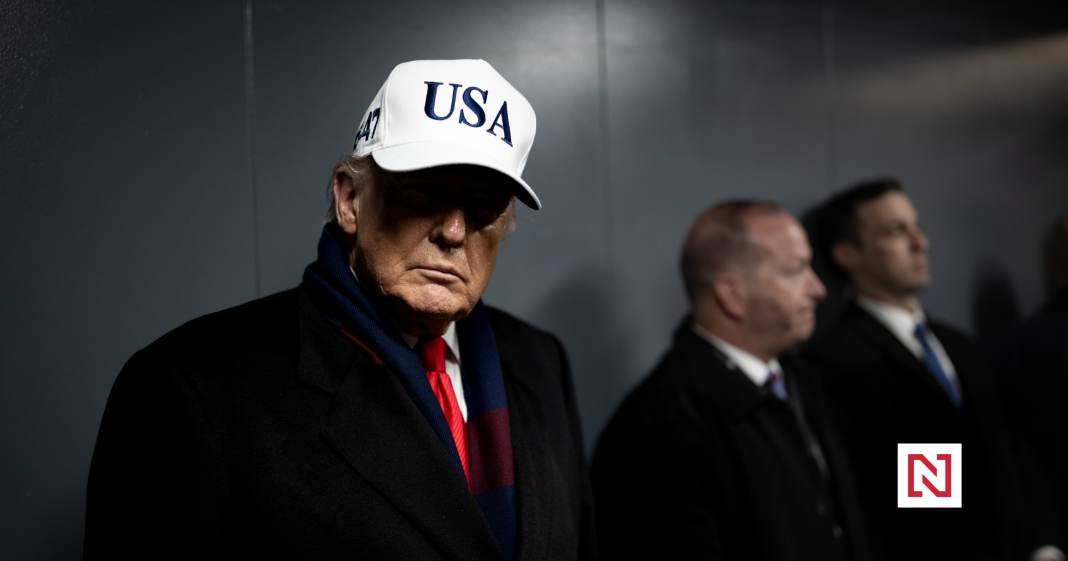

In recent decades, the United States has been scrutinized for its persistent influence across the Western Hemisphere. Washington’s foreign policy is often framed as a testament to its imperial ambitions, shaping political and economic landscapes in Latin America and beyond.
Historical Context of U.S. Influence

The history of U.S. intervention in Latin America dates back to the Monroe Doctrine of 1823, which asserted hemispheric dominance by opposing European colonialism. This declaration laid the groundwork for subsequent interventions, including the Spanish-American War and the Panamanian Revolution, where American interests took precedence over local sovereignty. Throughout the Cold War, U.S. policies continued to be dominated by anti-communism, resulting in numerous interventions to prevent the spread of Soviet influence in Latin America.
From covert operations orchestrated by agencies like the CIA to economic sanctions aimed at governments perceived as hostile, the United States has historically used a variety of strategies to maintain its influence. These efforts have been justified under the guise of promoting democracy and stability, although critics argue they often exacerbate regional tensions.
Economic Leverage and Trade Agreements

Besides military interventions, the U.S. exercises significant economic influence through trade agreements and financial institutions. NAFTA, implemented in 1994, was one such agreement that sought to integrate the economies of the U.S., Canada, and Mexico, greatly increasing U.S. economic influence in the region. However, it also faced criticism for favoring large corporations over small local businesses and workers in Mexico.
Additionally, the United States plays a prominent role in financial organizations like the International Monetary Fund (IMF) and the World Bank, which provide loans and financial assistance to Latin American countries. While these initiatives can support economic development, they often come with stringent conditions that can lead to austerity and hinder local autonomy.
Contemporary Policies and Their Impact

In recent years, the U.S. has shifted its focus to addressing newer challenges such as narco-trafficking and migration. Programs like Plan Colombia, initiated in 1999, aimed at curbing drug production, have resulted in mixed outcomes. While there have been reductions in coca cultivation, the military-centric approach has been criticized for violence and human rights abuses.
The Trump and Biden administrations have both grappled with migration issues, particularly from Central America, resulting in complex policies that attempt to balance humanitarian concerns with border security. These approaches have significant implications for bilateral relations and underscore Washington’s impact on the region’s socioeconomic dynamics.
Responses and Resentment in Latin America

Throughout its history, the U.S.’s hegemonic actions have sparked resentment and resistance in Latin America. Movements advocating for sovereignty and independence have emerged, challenging American imperialism. Countries like Venezuela and Cuba have often positioned themselves as counterforces to Washington’s influence, although their own governance models face criticism.
Regional organizations such as the Community of Latin American and Caribbean States (CELAC) and trade agreements excluding the U.S., such as MERCOSUR, highlight attempts within Latin America to forge more autonomous economic and political pathways. These efforts reflect a growing desire for multipolarity in international relations.
The Future of U.S. Influence in the Hemisphere

Looking ahead, the United States must navigate a complex landscape of emerging regional powers and shifting global alliances. As Latin American countries continue to assert their independence and explore new partnerships, Washington’s ability to adapt its strategies will be crucial. The outcome will impact not only the region’s development but also the broader geopolitical balance.
In light of evolving international norms and challenges, finding a balance between influence and respect for sovereignty will be key to redefining America’s role in the hemisphere.
Source: Official U.S. State Department website.