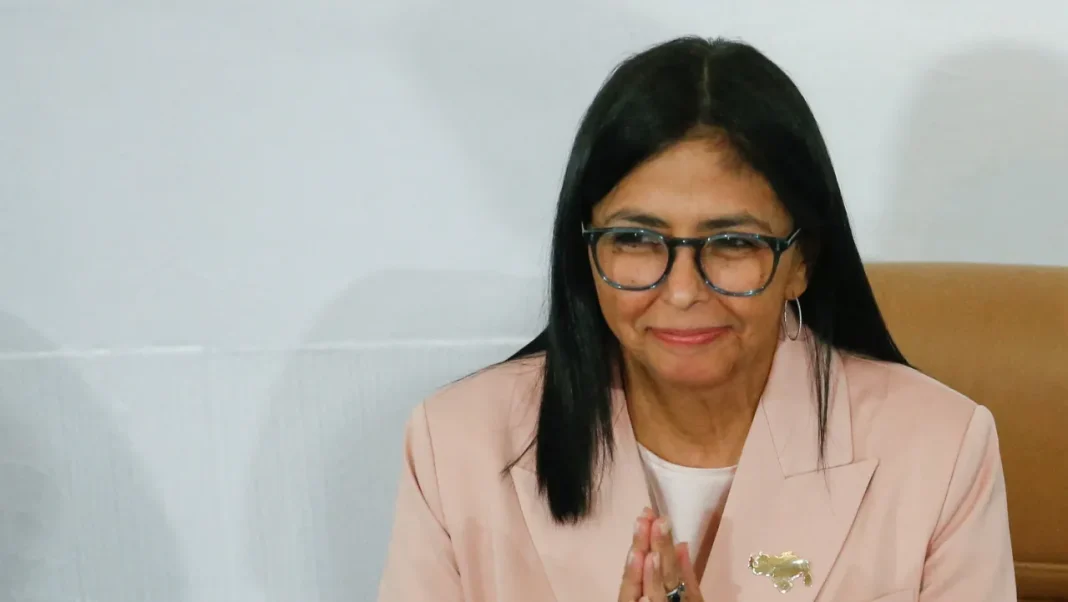

In a remarkable development, a 92-year-old judge has been entrusted with overseeing a significant case against Venezuelan President Nicolás Maduro. This unexpected decision has brought international attention and raised questions about the case’s potential implications.
The Context of the Maduro Case

Nicolás Maduro, the embattled President of Venezuela, faces numerous accusations including human rights violations and corruption. The case against him has been a focal point for international human rights organizations, who have accused his regime of suppressing democracy and committing widespread abuses. The appointment of a nonagenarian judge to handle such a high-profile case has sparked both interest and skepticism within global judicial circles.
Venezuela’s current political and economic crisis has exacerbated global scrutiny of Maduro. The country, once rich in oil reserves, is now gripped by hyperinflation, food shortages, and mass migration. The case against Maduro is seen as a litmus test for international intervention in sovereign affairs, particularly when human rights are at stake.
The Judge Behind the Case

The 92-year-old judge, whose name has been kept confidential for security reasons, brings a wealth of experience and a longstanding reputation for integrity. Known for his judicious handling of complex international cases, his appointment is intended to provide a level of impartiality and seasoned judgment rarely available in such politically charged situations.
Despite his age, the judge has shown exceptional acuity and dedication to the principles of justice. Legal experts point out that age should not be a hindrance to judicial responsibilities, particularly when paired with such depth of experience and wisdom.
Implications for Venezuelan Politics
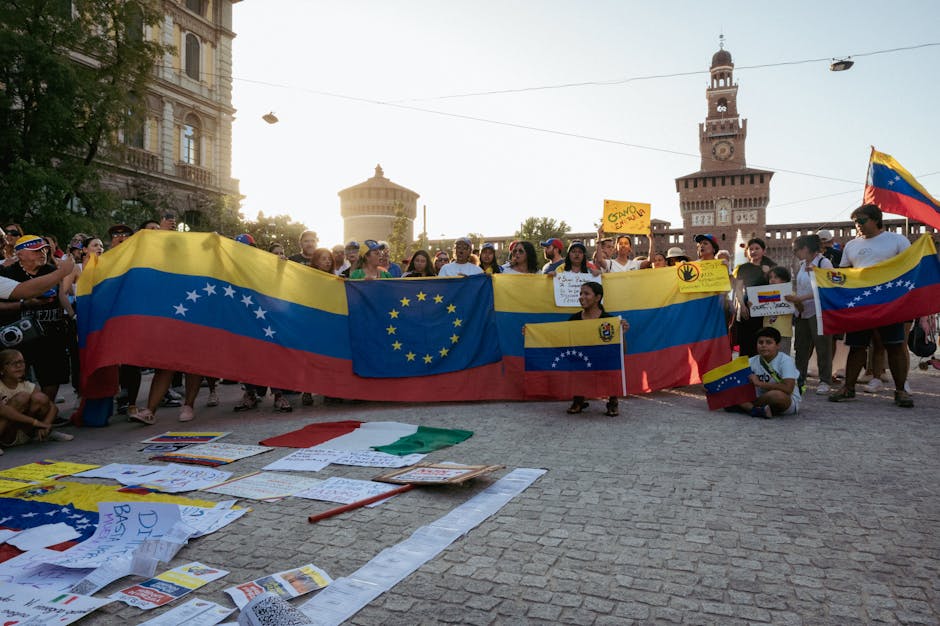
The case’s outcome could have significant ramifications for Venezuela’s political landscape. A verdict against Maduro might embolden opposition movements and influence future elections. Conversely, a dismissal or unfavorable outcome could further entrench Maduro’s power, potentially leading to increased authoritarian measures.
This trial is also pivotal for the country’s judicial system, often criticized for lacking independence from executive power. Successful proceedings could signal a shift towards judicial independence, which many Venezuelans and international observers advocate for.
Global Reactions and the Path Forward

Internationally, the trial is being closely monitored. Several countries have already imposed sanctions on Venezuela, and a ruling against Maduro could lead to increased international pressure and possibly further sanctions. The trial outcome will likely impact international relations concerning Venezuela, especially with countries supporting Maduro.
The case highlights the broader discourse on global governance and human rights enforcement. How the international community responds will set a precedent for future interventions in countries where leaders are accused of similar violations.
The trial of Maduro under the aegis of a 92-year-old judge marks a significant moment in both legal and international diplomatic arenas. As the case unfolds, the world watches to see whether justice will pave the way for change in Venezuela.