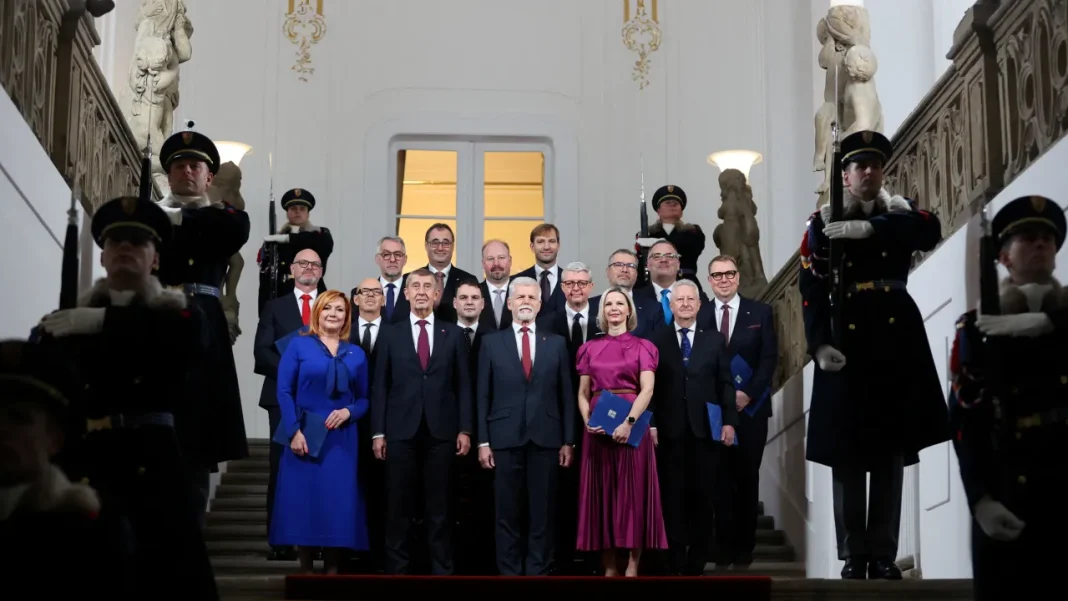

The Czech government is set to deliberate on its policy statement, including discussions about the contentious delay in the housing support law. This meeting highlights significant policy directions intended to address housing challenges faced by residents.
Key Objectives of the Policy Statement

The government’s policy statement is expected to outline various strategic priorities aimed at enhancing economic resilience and societal welfare. A central focus will be on bolstering housing support, which is crucial to address the growing demand for affordable housing amidst rising prices.
The statement is also anticipated to address broader economic reforms, including measures to improve infrastructure and the digital economy. Such reforms are crucial for maintaining competitiveness and ensuring sustainable growth in an increasingly globalized world.
Delays in Housing Support Legislation

The proposed delay in the housing support law has sparked intense debate among policymakers, housing advocates, and citizens. The law aims to provide increased financial assistance to low and middle-income families struggling with escalating housing costs in major cities.
Critics of the delay argue that it exacerbates existing housing issues, leaving vulnerable residents without much-needed support. They stress the urgency of implementing these measures to provide immediate relief and prevent potential homelessness.
Government’s Response to Housing Challenges
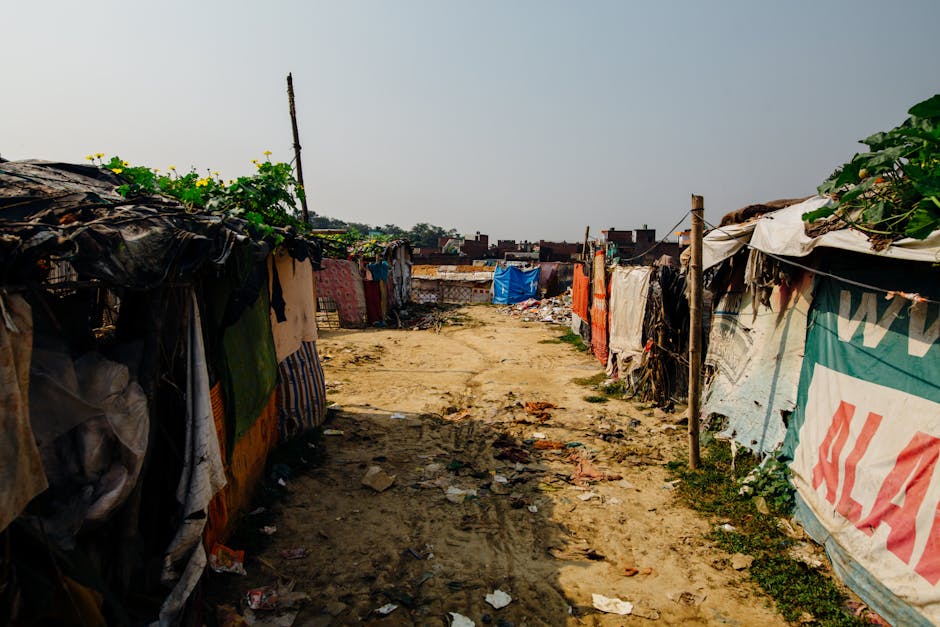
The government has acknowledged the challenges posed by housing shortages and high prices. In response, it plans to introduce temporary measures to alleviate pressure on affected families. These include subsidies and tax incentives for housing development projects.
Additionally, there is a push towards revising zoning laws and encouraging private-public partnerships to expedite the construction of affordable housing units. These initiatives aim to increase the housing supply and stabilize the market.
Impact on the Czech Public

The delay and ongoing deliberations have a significant impact on the Czech populace, particularly in urban areas where housing demand is acutely felt. These decisions will likely influence public sentiment and the government’s approval ratings.
Public opinion remains divided, with some citizens hopeful that the eventual legislation will bring comprehensive solutions, while others remain skeptical about the effectiveness of proposed measures.
The government’s discussions on housing legislation are crucial in setting the course for tackling the housing crisis in Czechia. Observers keenly await the outcomes, hoping for decisive actions that address immediate needs and lay the groundwork for long-term solutions.