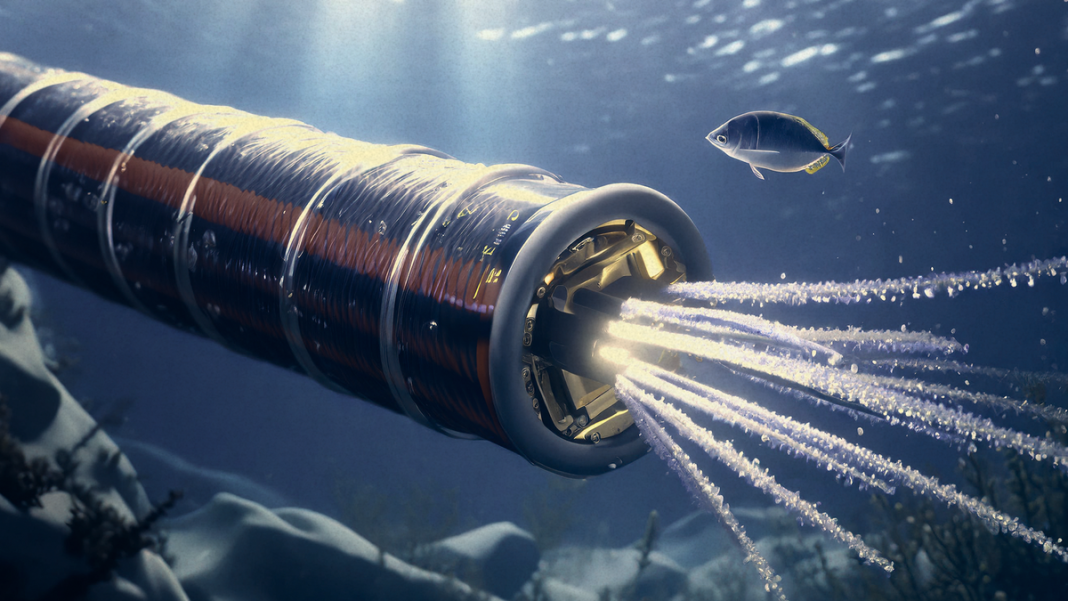

The Baltic Sea is once again the focus of rising tensions, as another undersea cable has been reported damaged. This incident adds to the series of recent disruptions affecting the region’s critical infrastructure.
Recent Cable Damage Incident

The latest incident involving a damaged undersea cable in the Baltic Sea has escalated concerns over the security of infrastructure in the region. Reports indicate that the damage was discovered earlier this week, prompting immediate investigations by local authorities. The affected cable is crucial for communication and energy transmission between several Nordic and Baltic states.
While the cause of the damage remains under investigation, authorities are considering various possibilities, including natural causes and potential external interference. The region’s complex geopolitical landscape has heightened the urgency for a comprehensive security assessment.
Impact on Regional Security

This recent cable damage has intensified discussions on regional security, with countries surrounding the Baltic Sea expressing concerns over the vulnerability of their essential infrastructure. Given the strategic importance of these cables, safeguarding them has become a priority.
Regional cooperation has also been highlighted as a key factor in improving security measures. Sharing intelligence and resources among the Baltic states can lead to more robust protective strategies, thereby reducing the risk of future incidents.
Economic Implications

The damaged cable carries significant economic implications, affecting industries reliant on stable communication and energy supplies. Businesses in sectors such as finance, information technology, and manufacturing could experience disruptions, leading to potential financial losses.
Efforts are underway to restore full functionality of the cable, but the incident has already highlighted the need for contingency plans to minimize economic impacts during such unforeseen events.
Response Strategies

In response to the ongoing vulnerabilities, authorities are exploring various strategies to enhance the resilience of undersea cables. This includes deploying advanced monitoring technologies and implementing stricter regulations to safeguard against accidental damage and intentional sabotage.
Furthermore, international collaboration is being emphasized to provide a more coordinated and effective response to incidents threatening regional infrastructure. Such partnerships could be crucial in developing innovative solutions to protect these critical assets.
As investigations continue, the Baltic Sea remains a focal point of geopolitical and economic interest, underscoring the importance of securing its vital underwater cables.