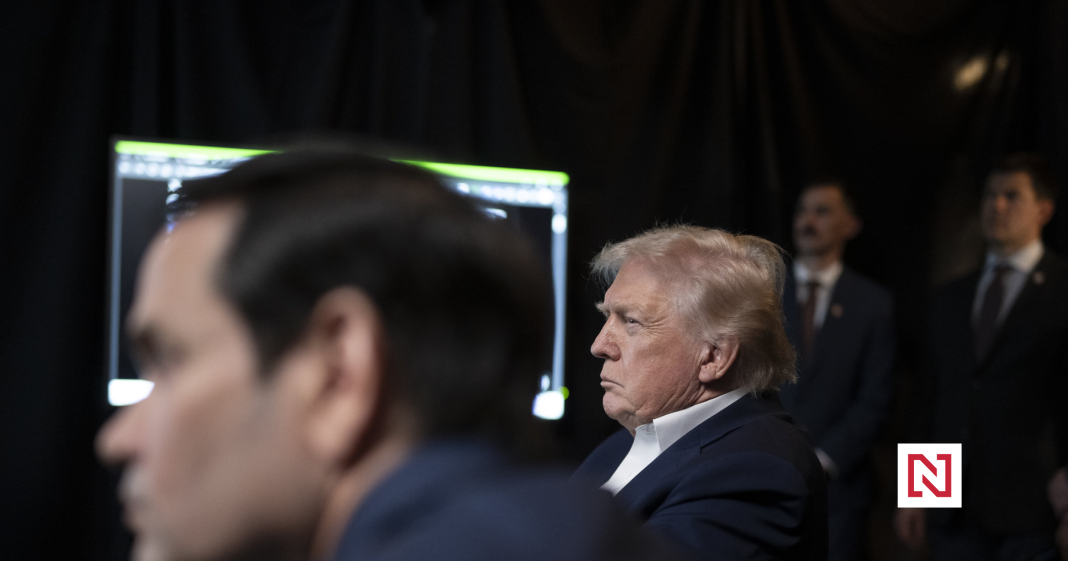

The geopolitical landscape is shifting as former U.S. President Donald Trump’s actions in Venezuela could have significant implications for global stability. Observers are keen to understand the potential repercussions of these moves on international relations and economic dynamics.
Background of U.S. Involvement in Venezuela

U.S. involvement in Venezuela has been a complex affair, rooted in historical ties and strategic interests. The country, rich in oil reserves, has long drawn attention from successive U.S. administrations. Venezuela’s political and economic turmoil has only intensified international focus, with the U.S. taking a keen interest in shaping the country’s future.
Under Trump’s administration, this involvement became more pronounced. Sanctions were ramped up, and explicit support was declared for opposition leader Juan Guaidó over President Nicolás Maduro. These actions drew international attention, with several countries taking sides, heightening tensions in the region.
The approach aimed to oust Maduro, accused of rigging elections and leading a regime marked by human rights abuses and economic mismanagement. However, the subsequent power struggle has severely impacted Venezuela’s economy and regional stability.
Economic Implications of Sanctions

The sanctions imposed by Trump’s administration targeted Venezuela’s key industries, primarily oil, which is the backbone of its economy. These measures were intended to curtail the government’s revenue and apply pressure for political change. However, the broader economic impact extends beyond Venezuela’s borders.
Countries across Latin America have faced ripple effects, as the dwindling Venezuelan economy led to increased migration issues and strained regional resources. The sanctions also affected global oil markets, contributing to fluctuations in oil prices that resonated worldwide.
This economic warfare raises questions about the efficacy and morality of such strategies, with critics arguing that they often exacerbate humanitarian crises without yielding the desired political outcomes.
International Reactions and Alliances

The international response to Trump’s Venezuelan policy has been mixed, with some nations supporting the stance and others criticizing it for escalating tensions. Countries like Russia and China, who have vested interests in Venezuela’s oil sector, condemned the U.S. actions, fearing increased instability in the region could disrupt their own economic and strategic interests.
The European Union, while not unanimously agreeing with all U.S. tactics, also expressed support for a peaceful resolution that would restore democracy in Venezuela. These divergent reactions underscore the complex web of global alliances and the challenging path toward consensus on international interventions.
Given these dynamics, the potential for conflict or cooperation on the global stage largely hinges on how multi-lateral diplomacy is navigated in the coming years.
Future Considerations for Global Stability

As the global community assesses the legacy of Trump’s Venezuelan policies, attention turns to future U.S. administrations and their strategies in dealing with similar geopolitical challenges. Will there be a continuation of hardline tactics, or will a more diplomatic approach be favored?
These decisions will profoundly impact not just Latin America, but global stability as a whole. Key players in international politics must weigh the potential risks and benefits of interventionist policies versus cooperative and humanitarian approaches.
Ultimately, the path chosen will determine not only Venezuela’s future but also set a precedent for how international law and relations are managed in addressing sovereign nation affairs.
As the world watches with bated breath, the unfolding developments in Venezuela and global reactions reveal much about the changing nature of international politics.