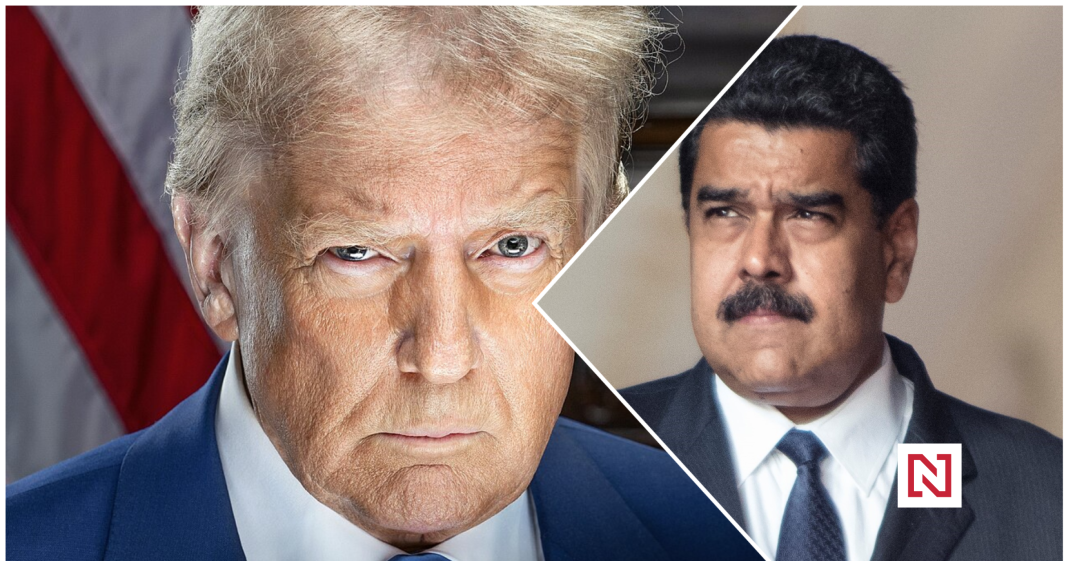

The relationship between the United States and Venezuela has long been fraught with tension, particularly during Donald Trump’s administration. Understanding why Trump claims authority over Venezuela involves exploring a mix of geopolitical strategy, oil interests, and ideological clashes.
U.S. Geopolitical Interests in Latin America

Throughout history, the United States has maintained a strong interest in the politics of Latin America. The region holds strategic importance due to its proximity and abundant natural resources. During Trump’s presidency, Venezuela was a focal point of U.S. foreign policy, largely due to its massive oil reserves. Trump’s approach continued the U.S.’s tradition of influencing Latin American politics to align with its strategic interests.
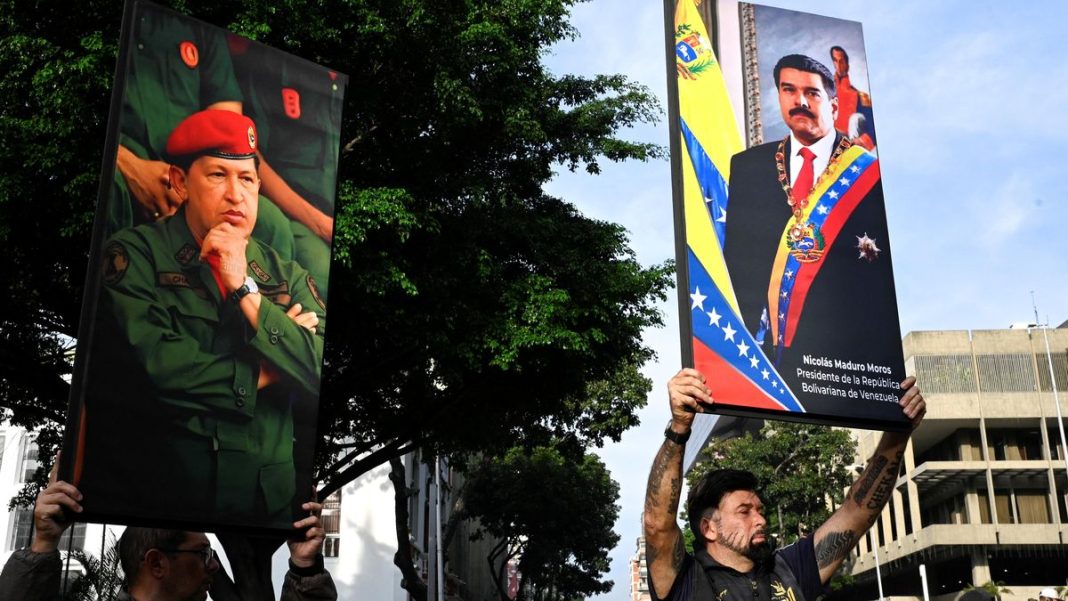
Venezuela’s socialist government under Nicolás Maduro was at odds with Trump’s capitalist ideology, which fueled his administration’s determination to effect change. By openly supporting opposition leader Juan Guaidó, Trump aimed to foster a government more sympathetic to U.S. interests, intensifying the international pressure on Maduro.
The Role of Oil in U.S.-Venezuela Relations

Oil has been a central pillar of the Venezuelan economy and a significant factor in U.S. interest. Under Trump, the U.S. imposed heavy sanctions on Venezuela’s oil sector, aiming to cripple Maduro’s government financially. By doing so, Trump sought to force a regime change that would favor U.S. access to this vital resource.
Furthermore, Venezuela’s economic struggles were exacerbated by these sanctions, which weakened Maduro’s grip and empowered the opposition. However, this approach also attracted criticism, as it contributed to the humanitarian crisis affecting millions of Venezuelans.
Political and Ideological Motivations

Trump’s policies towards Venezuela were also driven by ideological motivations. By opposing Maduro’s socialist regime, Trump positioned himself as a defender of democracy and capitalism in the Western Hemisphere. His administration frequently condemned human rights violations in Venezuela and sought to rally international support for the opposition movement.
These efforts were not solely aimed at changing Venezuela’s leadership but were also part of a broader strategy to combat the influence of socialism in the region. This approach resonated with many in the U.S. political arena, bolstering Trump’s domestic image as a tough stance leader against authoritarian regimes.
International Impact and Criticism

Trump’s stance on Venezuela had significant international implications. While some allies supported the push for regime change, others criticized it as interference in a sovereign nation’s affairs. The U.S.’s aggressive posture raised concerns about setting a dangerous precedent for international relations and respect for national sovereignty.
Various humanitarian organizations expressed alarm over the collateral damage of the sanctions. The Venezuelan crisis has resulted in widespread poverty, shortages of basic necessities, and a massive refugee crisis. Critics argue that while the intention was to instigate political change, the immediate impact was most severely felt by Venezuela’s vulnerable population.
In conclusion, Trump’s self-perceived role as the ruler of Venezuela was driven by a combination of geopolitical interest, economic motivations, and ideological opposition. While his administration aimed to reshape Venezuela’s political landscape, it also sparked significant debate and criticism globally.
Source: Official U.S. State Department website.