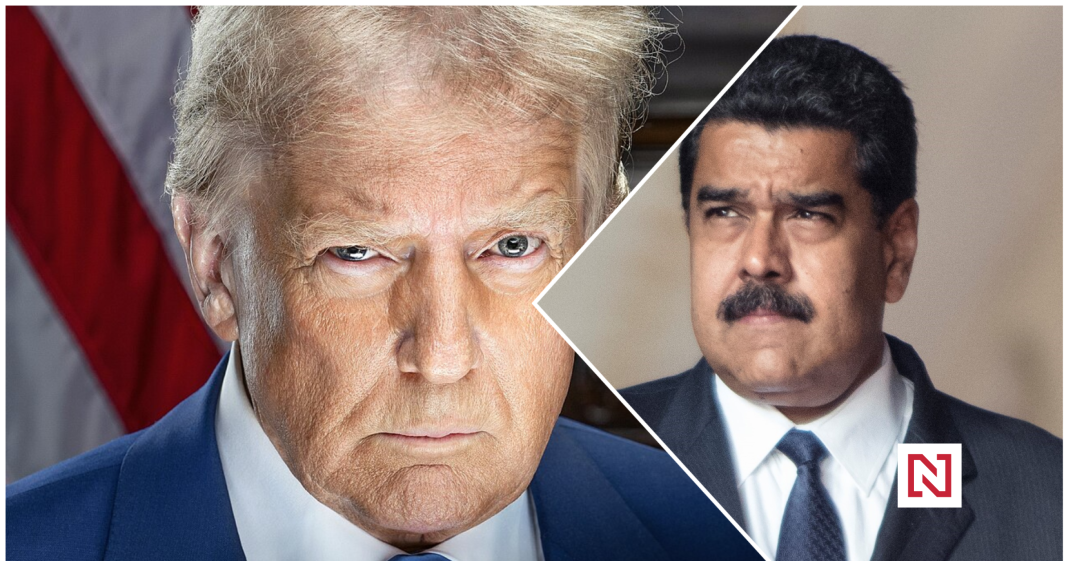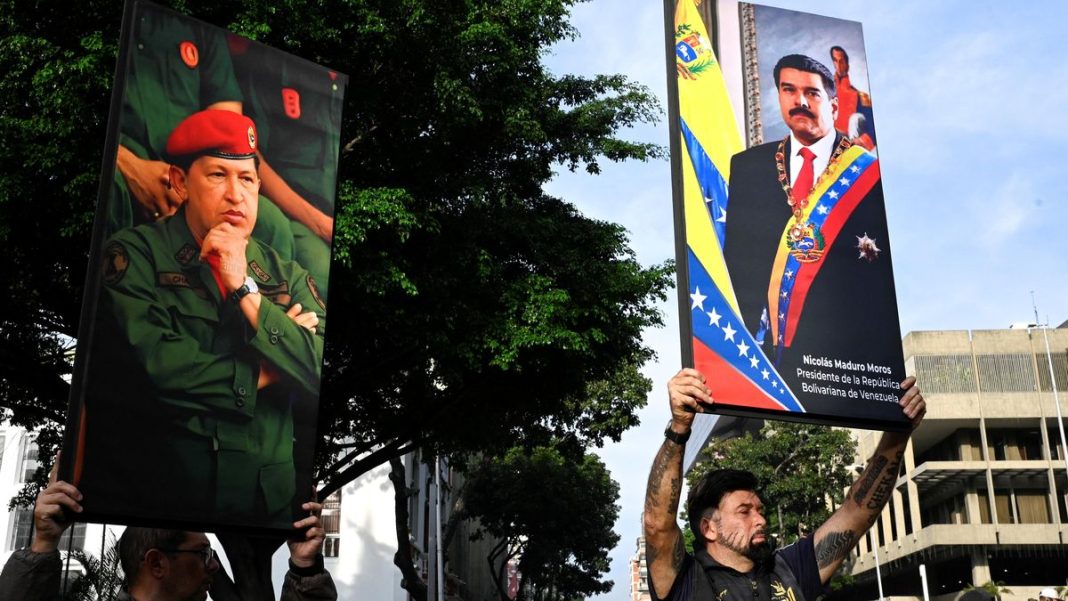

In a dramatic turn of events, Nicolás Maduro has become a symbol of resistance for Venezuelan revolutionaries. The political landscape in Venezuela is highly charged, with supporters rallying to defend their leader against opposition forces.
Growing Tensions in Venezuela

The political climate in Venezuela has been fraught with tension for years, as economic hardships and social unrest continue to affect the nation. Maduro, who has been the president since 2013, is often depicted as both a tyrant and a martyr, depending on one’s political perspective. Recent developments have intensified these views, escalating into promises of resistance from his loyal followers.
Maduro’s government is accused of being authoritarian by opponents, while his supporters argue that he is a defender of the nation’s sovereignty. This stark division has only deepened as revolutionary voices vow to stand with Maduro, portraying him as a victim of international exploitation and internal betrayal.
The Role of International Influences

International influences play a crucial role in the ongoing crisis in Venezuela. Many countries have openly criticized Maduro’s leadership and implemented sanctions against his government. These external pressures are often cited by Maduro’s network as attempts to undermine the self-determination of the Venezuelan people.
Despite these challenges, Maduro’s administration continues to garner support from certain international allies, further complicating the geopolitical landscape. The support reflects a broader narrative of global power dynamics and shifting allegiances, illustrating how local conflicts often become entangled with international interests.
Internal Dynamics and Public Response

Inside Venezuela, the response to Maduro’s portrayal as a martyr is varied. Many citizens struggle with the day-to-day realities of food shortages, inflation, and lack of basic services, leading to growing discontent even among former supporters. However, a vocal segment of the population remains steadfast in their support, motivated by strong anti-imperialist sentiments and a desire to preserve national identity.
Public events and demonstrations are becoming more frequent, as both supporters and opposition groups seek to make their voices heard. This atmosphere of protest and counter-protest adds complexity to an already volatile situation, requiring careful navigation by all involved parties.
Potential Outcomes and Future Considerations

As Venezuela stands at this critical juncture, the outcomes remain uncertain. The promises of resistance from Maduro’s supporters could lead to further clashes, or potentially a stronger push for diplomatic resolutions. The role of regional organizations in mediating the crisis may become more prominent as calls for peaceful dialogue increase.
Observers are closely watching the developments in Venezuela, as the situation holds significant implications for broader regional stability in Latin America. Ultimately, the resolution of Venezuela’s internal strife will likely depend on a combination of internal initiative and international cooperation.
The story of Nicolás Maduro as both a martyr and a divisive figure highlights the complex realities facing Venezuela. The future remains unsettled, but the promise of resistance marks a decisive moment in the nation’s history.