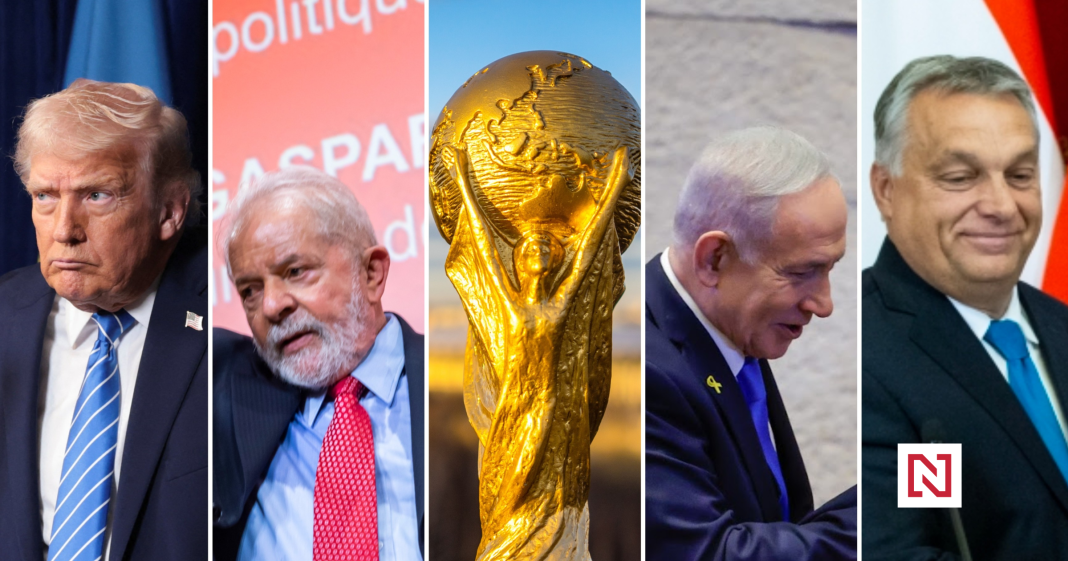

The global political landscape is filled with uncertainties as leaders face challenges to maintain their positions. Donald Trump, Benjamin Netanyahu, and Viktor Orbán are no strangers to such dynamics. As 2026 approaches, questions arise about whether these figures can navigate the turbulent currents of international politics effectively.
Trump’s Political Landscape

Donald Trump, the 45th President of the United States, continues to hold significant influence over the American political scene. Despite losing the 2020 election, he remains a pivotal figure in the Republican Party, impacting its direction and strategy. Trump’s potential run in 2024 is a subject of speculation among political analysts. His ability to mobilize support and maintain relevance through social media and public appearances demonstrates his enduring impact on American politics.
Trump’s challenges include legal battles and a divided electorate. His approach to these issues will be crucial in determining his future role. The Republican Party’s response to his leadership style and policies will also shape the political landscape as 2026 approaches, especially regarding key issues like immigration, trade, and foreign policy.
Netanyahu’s Uncertain Future

Benjamin Netanyahu, Israel’s longest-serving Prime Minister, faces his own set of challenges. Known for his strong stance on security and foreign policy, Netanyahu has been a central figure in Israeli politics for decades. However, his tenure has been marred by controversies, including corruption charges that have led to a complex legal battle.
Netanyahu’s political journey is further complicated by Israel’s multifaceted coalition dynamics. As his legal troubles persist, his capacity to lead and influence Israeli politics hangs in the balance. The upcoming years will test his ability to navigate through these difficulties and maintain his leadership position within the Likud party and Israeli politics at large.
Orbán’s Strategic Maneuvers

Viktor Orbán, Hungary’s Prime Minister, is known for his nationalistic policies and strong control over the country’s political scene. His approach to governance, often at odds with the European Union’s democratic standards, has solidified his power while attracting international criticism. Orbán’s ability to utilize these tensions to his advantage remains a cornerstone of his political strategy.
As 2026 approaches, Orbán faces the challenge of sustaining economic growth while addressing social concerns in Hungary. His potential surprise moves, such as shifts in foreign alliances or domestic reforms, could play critical roles in maintaining his position. The balance between appeasing international bodies and satisfying domestic constituents will be pivotal for Orbán’s administration.
The Broader Implications for 2026

The political landscapes of the United States, Israel, and Hungary are intrinsically linked to their leaders’ maneuvering skills. For Trump, Netanyahu, and Orbán, the path forward involves navigating both domestic pressures and international expectations. Each leader’s ability to adapt to new challenges will have significant repercussions for their respective countries amid global uncertainties.
Observers anticipate that the strategic decisions made by these leaders will not only affect their political futures but also have broader implications for global stability. As 2026 looms, the intertwined dynamics of these nations’ politics will continue to captivate the world’s attention.
In conclusion, the political futures of Trump, Netanyahu, and Orbán remain intertwined with the complexities of their respective challenges. Their ability to adapt and innovate in the face of adversity will undoubtedly shape their legacies and influence the global political arena leading up to 2026.
Source: Official Hungarian Government website.