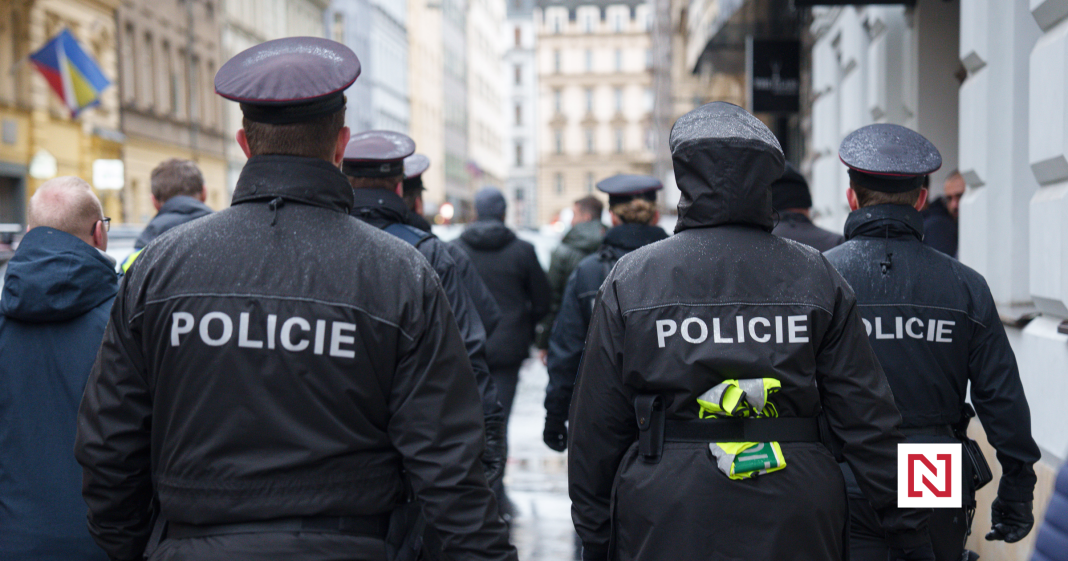

The rise of deepfake technology has sparked significant concern among law enforcement agencies worldwide, including the Czech police, who are now taking decisive action to combat its misuse in the creation of pornography and fraudulent videos. The police plan to intensify their efforts to identify and prosecute those responsible for generating harmful deepfakes.
The Threat of Deepfake Technology

Deepfake technology utilizes artificial intelligence to create highly realistic fake videos, where a person’s likeness is digitally grafted onto another’s body, often without consent. This technology has become a major tool for creating misleading and harmful content, posing significant threats to privacy and reputation. Victims often find themselves depicted in explicit or compromising positions, which can lead to severe emotional and professional consequences.
The misuse of deepfake technology extends beyond personal harm. It also poses risks to public trust, especially when used to create fraudulent videos that distort reality. Such content can easily spread misinformation, sparking unwarranted panic or altering the public’s perception through fabricated evidence.
Law Enforcement’s Strategic Response

The Czech police’s decision to crack down on deepfake creators marks a proactive step in addressing this modern cyber threat. Authorities are enhancing their technological capabilities and employing specialized units to detect and trace the creation and dissemination of deepfake content. This involves collaborating with experts in cybersecurity and digital forensics to identify clues left by creators.
Additionally, the police are working closely with tech companies and digital platforms to remove harmful content promptly and develop preventive measures. This cooperation is essential in shutting down avenues used for distributing deepfakes, thus minimizing their impact on victims and the broader society.
Legal and Ethical Challenges

Despite efforts to combat deepfakes, legal and ethical challenges persist. Current laws may not fully address the evolving nature of this technology, making it difficult to prosecute offenders. Legal systems worldwide are thus reassessing existing frameworks to better accommodate crimes associated with digital impersonation and identity theft.
Ethically, there is an ongoing debate about balancing technological advancement with privacy rights. While deepfake technology can be used for legitimate purposes, such as entertainment or dubbing in films, its potential for abuse necessitates stringent regulation and ethical guidelines to protect individuals’ identities.
Public Awareness and Education

Raising public awareness and education are crucial components of the police’s strategy to fight deepfakes. By informing citizens about the existence and potential dangers of deepfake technology, they become better equipped to recognize and report suspicious content.
Educational initiatives are also aimed at encouraging responsible digital behavior. Schools and community centers are beginning to incorporate digital literacy into their curricula to foster a generation that is more discerning and skeptical of the information they consume online, surpassing mere technical solutions with a culture of awareness.
As deepfake technology continues to evolve, law enforcement and society must adapt to safeguard individuals and maintain trust in digital communication. Collaborative efforts at all levels of society are essential to successfully mitigating the adverse impacts of deepfakes.
Source: Official Czech Police website.