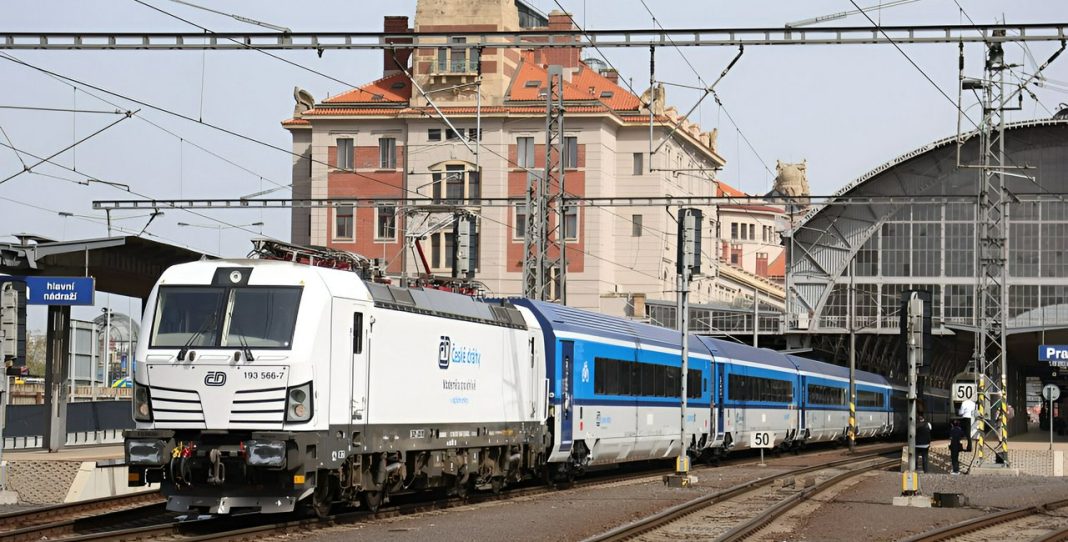

CNN recently highlighted an exciting development for European travel enthusiasts — new train routes set to launch in 2026, which will significantly improve connectivity between Prague and Copenhagen. These upcoming routes promise to enhance travel flexibility and foster regional ties.
Enhanced Connectivity Across Europe

The new train routes are part of a broader European initiative to enhance rail connectivity across the continent. By 2026, travelers will have more opportunities to enjoy a seamless journey between major cities, avoiding the hassle of air travel. This project reflects a growing commitment to sustainable travel solutions, bolstering train travel as a viable and eco-friendly alternative to flying.
For Prague, these routes open up new tourism opportunities, providing effortless access to Nordic regions. The city’s rich history, vibrant cultural scene, and architectural landmarks will be more accessible to Copenhagen’s residents, enhancing cultural exchange and economic ties between the two cities.
A Boost for Sustainable Travel

Trains offer a significantly lower carbon footprint compared to air travel. These new routes are part of Europe’s commitment to reducing greenhouse gas emissions by encouraging the use of public transport over flights. The increased frequency of trains between major European capitals will make rail travel not only environmentally friendly but also more convenient for travelers.
This shift is expected to attract environmentally conscious travelers and those who prefer the scenic charm that only train journeys can offer. These new connections are a step towards a greener future, ensuring that travel remains sustainable and enjoyable.
Economic and Cultural Impacts

The introduction of the Prague to Copenhagen train route is expected to have positive economic ramifications for both cities. Increased passenger flow will boost local economies by promoting tourism-related businesses, such as hotels, restaurants, and local attractions.
Cultural exchange will likely flourish, as easier travel options encourage more frequent visits, educational exchanges, and potentially even partnerships between cultural institutions. This could lead to joint events, exhibitions, and festivals that celebrate the heritages of both regions.
Challenges and Considerations

While the new routes promise many benefits, logistical challenges remain. Infrastructure development and coordination across different national rail systems must be meticulously planned and executed. Investments in rail technology and updated train stations will be necessary to accommodate increased traffic.
Customer service enhancements will also be crucial to ensure an efficient and pleasant travel experience. This means improved ticketing systems, multilingual support, and timely updates on travel schedules.
In conclusion, the upcoming Prague to Copenhagen train routes represent a significant leap forward in European rail travel, blending modern convenience with environmental sustainability. Travelers can look forward to more engaging journeys between these culturally rich cities.