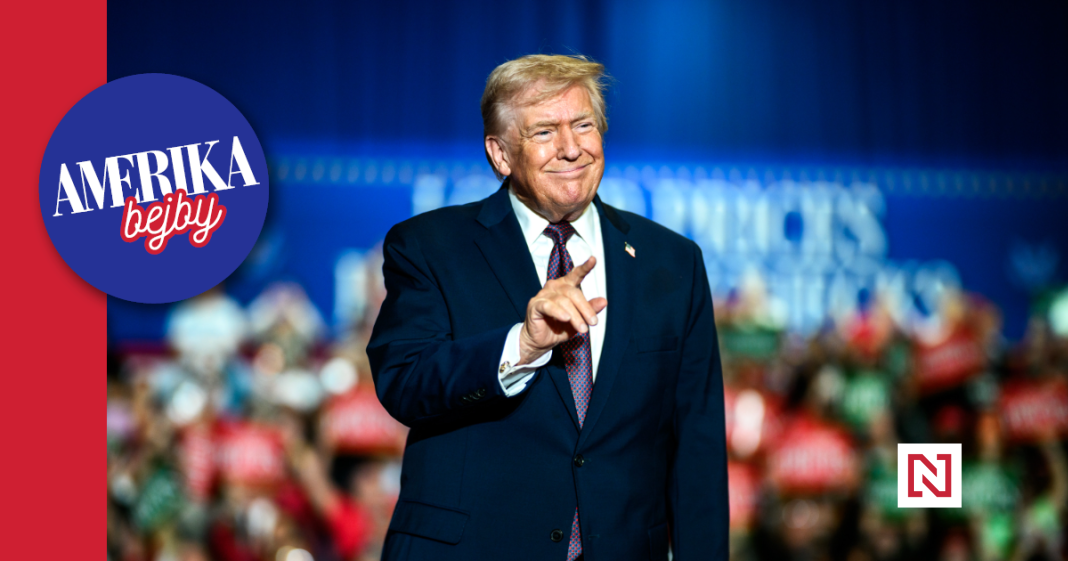

In recent years, the political landscape in the United States has undergone significant changes, with questions arising about former President Donald Trump’s influence and trajectory. As we look toward 2026, many are pondering whether Trump has passed his prime and what this potential political shift could mean for the future of America.
Trump’s Political Trajectory

Donald Trump’s rise to political prominence in 2016 reshaped the American political landscape dramatically. His presidency was marked by significant policy changes, a unique communication style, and a strong base of loyal supporters. Despite losing the 2020 election, Trump maintained considerable influence within the Republican Party, suggesting he might still be a formidable force in future elections.
However, recent circumstances may signify a decline in his political capital. Legal challenges and changing voter demographics are impacting his standing. The emergence of other prominent figures within the party, aiming to steer it in different directions, raises the question of whether Trump’s dominance is waning.
Changing Voter Dynamics

The American electorate is witnessing a shift in demographics and priorities. Younger and more diverse voter bases are coming to the forefront, potentially challenging the traditional stronghold Trump has had with older and more conservative populations. Issues like climate change, healthcare, and social justice are increasingly important to these new voters.
As these dynamics evolve, political figures may need to adapt their messages and policies to stay relevant. For Trump, maintaining influence may mean pivoting or expanding his base to include these emerging voter segments.
Impact on the Republican Party

The Republican Party is at a crossroads. Trump’s continued influence has solidified a faction within the party that aligns with his ideals, often referred to as “Trumpism.” However, other factions are pushing for a return to more traditional Republican values. This internal tug-of-war could prove critical in determining the party’s direction leading up to 2026.
The party’s strategy in the coming years will likely reflect which faction prevails. A shift towards a more inclusive and diverse platform could be necessary to maintain competitiveness in national elections, especially given the changing voter landscape.
Implications for American Politics
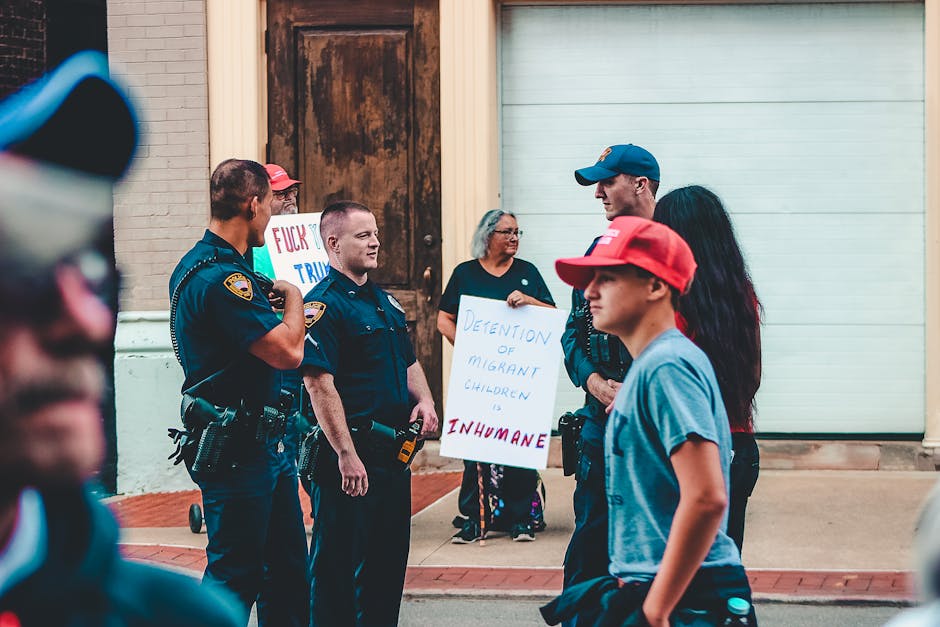
The potential dissipating influence of Trump offers both challenges and opportunities for American politics. On one hand, it may foster a more collaborative and less polarized political climate. On the other, it could lead to increased competition and conflict within parties as new leaders vie for influence.
This shift might also impact policy decisions, as politicians may feel freer to pursue agendas that align with a broader range of constituents rather than adhering strictly to the Trumpian approach. This evolution could foster a more balanced and nuanced political discourse in America.
The next few years will be telling in determining Donald Trump’s lasting impact on the political scene and how parties adapt to ensure their messages resonate with a diversifying electorate. As the landscape continues to shift, it will be crucial to watch how these dynamics play out and shape the future trajectory of American politics.