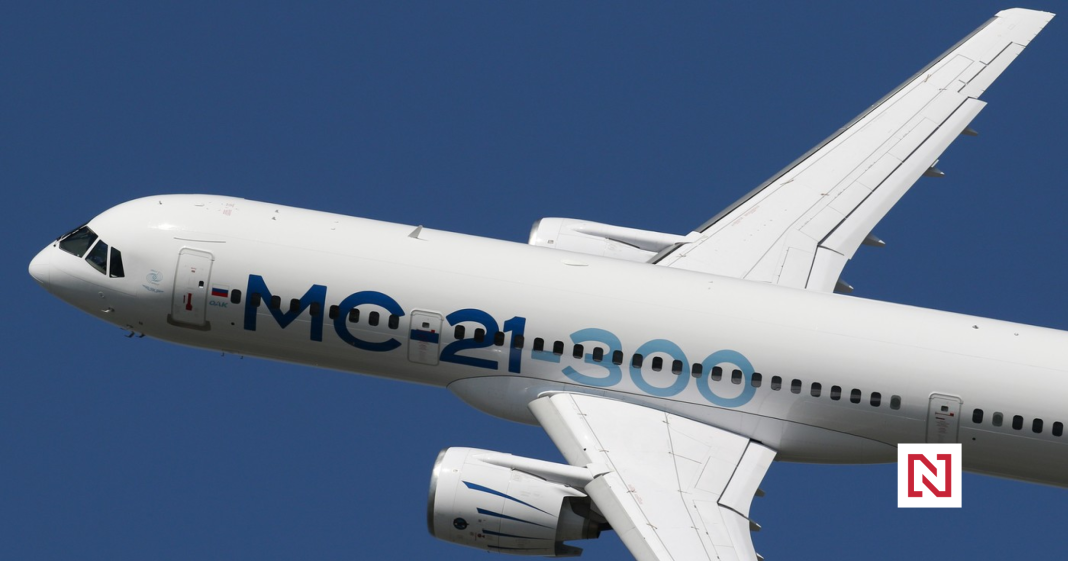

Russia has announced plans to commence mass aircraft production next year, yet experts point out a range of ongoing challenges the industry faces. This strategic move aims to bolster Russia’s aerospace sector amid changing geopolitical dynamics.
Ambitious Production Goals

The Russian government has expressed its ambition to significantly ramp up aircraft production by next year. This initiative aligns with national objectives to enhance domestic manufacturing capabilities and reduce reliance on foreign imports, particularly in the face of sanctions and developing geopolitical tensions. Government officials have suggested that increasing production output will not only strengthen the economy but also secure Russia’s position as a pivotal player in the global aerospace market.
Despite the optimistic outlook, achieving these ambitious targets poses considerable hurdles. Historical delays and resource constraints have previously hampered similar initiatives, necessitating substantial technological advancements and logistics reforms to meet the new production schedules. Analysts observe that success will depend heavily on overcoming these traditional obstacles and maintaining rigorous quality standards.
Technological and Resource Challenges

A key challenge in Russia’s plan for mass aircraft production involves sourcing and integrating advanced technology. Given international trade restrictions, acquiring components and sophisticated machinery remains a pressing issue. This has prompted Russian manufacturers to innovate locally, developing new technologies and seeking partnerships within the Eurasian Economic Union.
Resource allocation presents another obstacle. The aerospace industry is heavily reliant on specialized materials and skilled labor, both of which are currently strained. In response, Russian educational institutions and companies are investing in workforce training and research to foster innovation and skills development among professionals in the sector.
Economic and Political Implications

The promise of increased aircraft production carries significant economic implications for Russia. By investing in the domestic aerospace sector, the government aims to stimulate various facets of the economy, creating jobs and boosting related industries. This could lead to increased stability and economic resilience, which are crucial for Russia in the current global environment.
Politically, the move can be seen as a declaration of self-reliance and strategic independence. By prioritizing domestic manufacturing, Russia aims to mitigate the effects of global sanctions and assert its autonomy on the international stage. This may also enhance diplomatic ties with nations that support Russia’s industrial objectives.
Global Market Impact

Russia’s decision to scale up its aircraft production is likely to reverberate through the global aerospace market. As new aircraft models emerge from Russia, international airlines may have wider supplier choices, potentially altering market dynamics and competitive pricing structures.
Moreover, this shift could prompt other major aerospace nations to reassess their own production strategies and international collaborations. Increased competition may influence future alliances and partnerships within the global aerospace supply chain.
In conclusion, while Russia’s ambition to launch mass aircraft production is laudable, it must navigate several complex challenges to realize its goals. The outcomes of this initiative will have far-reaching economic and political consequences, both domestically and globally.