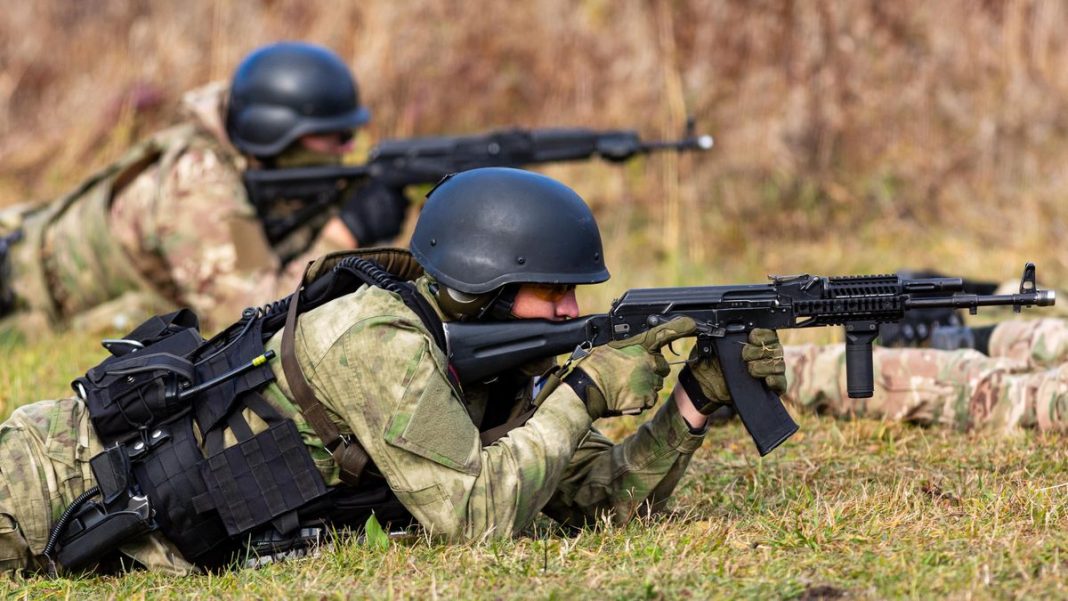

In a significant move, Russia plans to conscript 261,000 individuals for military service in 2024. This decision reflects ongoing adjustments within the Russian military structure, aiming to bolster its forces against a backdrop of geopolitical tension.
Strategic Motivations Behind the Expansion

Russia’s decision to increase its conscription numbers is rooted in its need to strengthen its military capabilities. Amid rising tensions with Western nations and the ongoing conflict in Ukraine, the additional conscripts will provide much-needed personnel to maintain and enhance Russia’s military readiness. This move indicates a strategic positioning by the Russian government to ensure it remains equipped to handle any emerging threats.
The increase in conscripts also follows Russia’s long-term military strategy to modernize its armed forces. By integrating new recruits, Russia aims to balance its current manpower with advanced technological capabilities, thereby sustaining its position as a leading military power.
Impact on Russian Society

National conscription in Russia has significant implications for its society. The conscription process affects young men, as it often interrupts their personal and educational endeavors. The increased numbers this year suggest a greater impact on communities and the workforce, potentially leading to societal shifts as more young people enter military service.
This year’s larger intake could also affect families, especially those in rural areas where manpower is crucial for economic activities. The conscription policy reflects the government’s prioritization of national security over economic concerns.
Military Training and Integration

With 261,000 new conscripts set to enter the military, Russia faces the challenge of effectively training and integrating these individuals into its existing forces. The military will need to ensure that training facilities are adequately staffed and equipped to handle the influx of recruits, providing them with comprehensive training in various military disciplines.
The integration process is crucial for maintaining high morale and cohesion within the armed forces. Ensuring that new conscripts are integrated smoothly will contribute to operational effectiveness and overall military strength.
International Reactions and Implications

Internationally, Russia’s increased conscription has drawn mixed reactions. Some neighboring countries view it as a potential threat, prompting them to reassess their own military strategies and defense postures. The move is also being closely monitored by NATO allies, who are evaluating the implications for regional security dynamics.
On a broader scale, this conscription strategy may influence global military policies and force other nations to consider similar measures in response to shifts in regional power balances. The drive for conscription in Russia underscores the ongoing evolutionary nature of global military strategies.
As Russia proceeds with its conscription plan, the ramifications will be felt both domestically and internationally, influencing military policies and societal structures alike.
Source: Official Russian Government website.