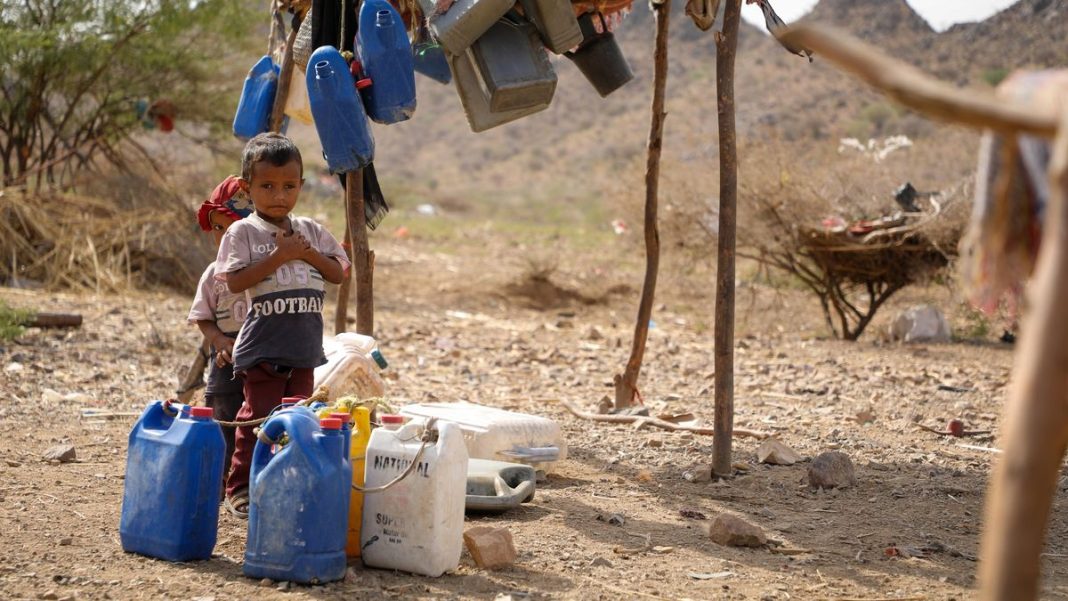

The global prosperity that has characterized much of recent history is facing unprecedented challenges. As the world grapples with economic instability, the risk of regressing into a new era of poverty becomes increasingly tangible.
The Collapse of Economic Stability

For decades, global economies have benefited from steady growth and prosperity, driven by technological advances and globalization. However, this economic engine shows signs of stalling. Factors such as geopolitical tensions, trade wars, and the enduring effects of the COVID-19 pandemic have disrupted supply chains and increased volatility in markets worldwide. These issues threaten to undo years of economic progress, pushing millions into poverty as job security wanes and living costs rise.
In addition, the increasing wealth gap has become a prominent issue. While the rich continue to accumulate wealth, the middle and lower-income classes are left behind, exacerbating inequality. This disparity is not only a concern for individual nations but also a trigger for global unrest, as disenfranchised populations grow impatient with economic systems that seem rigged against them.
The Role of Technology and Automation

Technology, once heralded as the great equalizer, is also playing a dual role in the current economic climate. Automation and artificial intelligence have transformed industries, creating efficiencies but also displacing many traditional jobs. As automation increases productivity, it simultaneously reduces the demand for human labor, leaving workers in manufacturing and service industries vulnerable.
With the rise of technology-driven unemployment, governments and organizations must rethink workforce strategies. There is a pressing need to reinvest in retraining and education programs tailored to the evolving job market. Without such measures, the workforce will continue shrinking, further hindering economic growth and contributing to a cycle of poverty.
Resource Scarcity and Environmental Challenges

The current economic system also heavily relies on finite natural resources, which are becoming increasingly scarce. Climate change exacerbates this scarcity, as extreme weather events and shifting climate patterns disrupt agricultural production, leading to food shortages and increased prices.
Resource scarcity demands a collective response focused on sustainable development. Transitioning to renewable energy sources and implementing sustainable agricultural practices are critical steps in ensuring long-term economic stability. Only by embracing sustainable methodologies can economies hope to avoid the pitfalls of a resource-deprived future.
Reimagining Global Economic Policies

The path forward requires a reevaluation of global economic policies. Nations must collaborate to create frameworks that promote equitable growth and sustainable development. This includes reforming global trade agreements to ensure fair distribution of resources and opportunities among nations, particularly developing countries.
Additionally, implementing innovative economic policies like universal basic income or digital currencies may be necessary to address modern challenges. These measures could provide financial security and stimulate economic participation, mitigating the risks associated with the growing economic instability.
In conclusion, while the prosperity machine faces significant challenges, a coordinated global effort focusing on sustainability, technological adaptation, and equitable policies offers a path to a stable and prosperous future for all.