
In recent years, the landscape of social media has seen significant shifts, prompting many to question whether popular platforms are losing their grip on the public. As the digital world evolves, users are left to wonder what the future holds for their online interactions and experiences.
The Rise and Fall of Traditional Social Media

Social media platforms like Facebook, Twitter, and Instagram have long dominated the digital sphere, offering users a way to connect with friends, share personal milestones, and express opinions. However, declining user engagement and increasing privacy concerns have sparked debates about their longevity. Many users have become disillusioned with these platforms, citing algorithm changes that prioritize advertisements over genuine interaction.
Interestingly, the once mighty giants are now grappling with user retention problems. Younger audiences are migrating towards platforms offering more privacy-focused and ephemeral content, such as Snapchat or Telegram. This shift suggests a growing demand for revolutionary changes in how social media platforms operate.
Emergence of New Platforms

As traditional platforms face challenges, new contenders have emerged, promising novel experiences and catering to niche audiences. For example, TikTok has captured the attention of the younger demographic through its engaging video content format. Its success indicates that users are eager for fresh, innovative ways to connect online.
Additionally, platforms like Discord have gained traction, providing spaces where communities can form around shared interests without the constant advertising barrage. These alternatives showcase the evolving user preference for interactive and ad-free environments, prompting other platforms to adapt or risk becoming obsolete.
Privacy and Control: User Demands Changing the Game
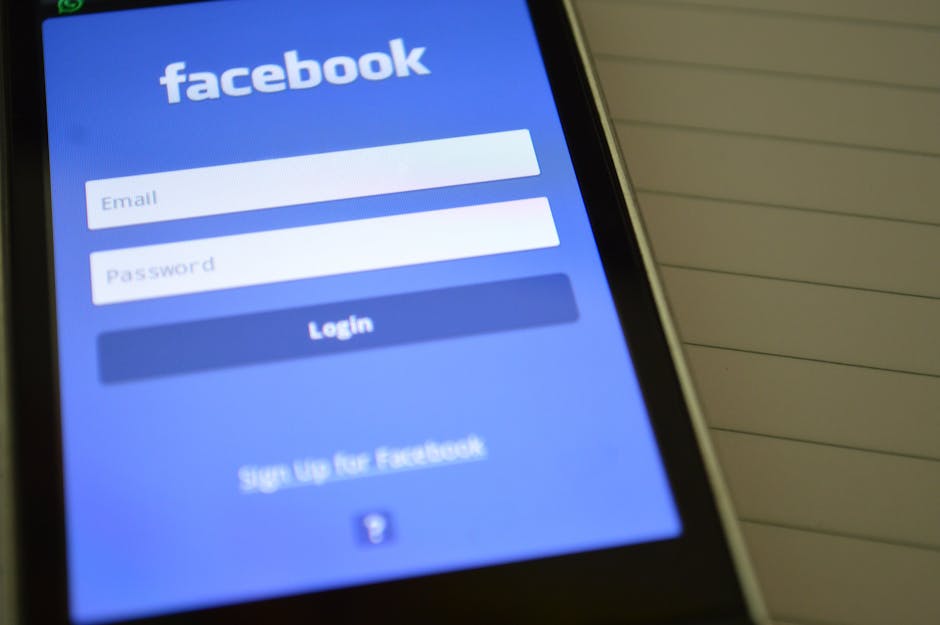
One of the most significant shifts influencing the decline of traditional social media is the increased demand for privacy. Users have become more aware of how their data is collected and used, urging platforms to offer more transparent practices and control over personal information.
The introduction of stricter data protection regulations, such as the EU’s General Data Protection Regulation (GDPR), reflects this trend. Platforms are now challenged to balance monetization strategies with user privacy demands. This push for transparency might catalyze a new era where user trust is paramount.
The Future of Online Interaction

The future of social media lies in platforms that prioritize user experience, transparency, and security. As developers explore new technologies like virtual and augmented reality, users can anticipate more immersive and interactive digital experiences.
Furthermore, the rise of decentralized social networks could redefine online interaction. These networks offer more control and less reliance on centralized entities, supporting the notion that the internet should be open and user-driven.
As social media platforms navigate these transformative times, users can look forward to a digital future tailored to their evolving needs.