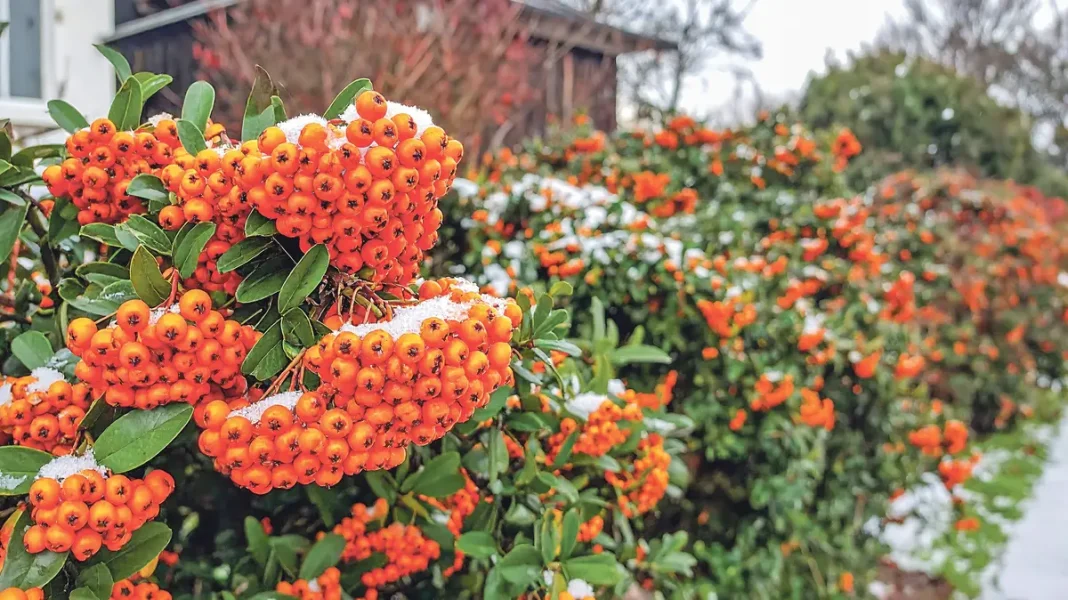

Hedging plants are not only a charming addition to any garden or landscape, but they also serve as effective windbreak solutions. This article explores various elegant hedging options, their benefits, and how they can enhance your outdoor space.
The Functionality of Hedging Plants

Hedging plants have long been used to demarcate boundaries and add privacy to outdoor settings. Beyond their aesthetics, these plants play a crucial role in protecting your garden from strong winds, which can damage flowers and delicate plants. Hedging serves as a natural barrier, reducing wind speed and creating a microclimate that helps in stabilizing environmental conditions.
Different hedging plants offer varying levels of protection. Evergreens, such as boxwood and privet, provide year-round coverage, ensuring your garden is shielded across all seasons. Their dense foliage is particularly effective in blocking wind and noise, making them an ideal choice for urban as well as rural settings.
Choosing the Right Hedging Plants

When selecting hedging plants, consider the local climate and the specific requirements of your garden. In regions with colder climates, such as Prague, opting for hardy varieties that can withstand frost and snow is crucial. Plants like yew and holly are well-suited to such conditions, providing both beauty and resilience.
Additionally, consider the growth rate and maintenance needs of your chosen plants. Fast-growing species can quickly establish an effective windbreak but may require regular trimming to maintain their shape. On the other hand, slower-growing varieties demand less frequent maintenance, allowing for more leisurely care.
Designing an Elegant Windbreak

Incorporating hedging plants into your landscape design requires careful planning to achieve both functionality and aesthetics. Start by determining the height and depth of the hedge needed to provide adequate protection without overwhelming the space. For elegance, consider varying the height and incorporating different plant species to create texture and visual interest.
Incorporate flowering hedges such as lavender or hydrangeas to add color and fragrance to your garden. These plants not only act as windbreaks but also enhance the sensory experience of the landscape, attracting pollinators and adding biodiversity to your garden.
Maintaining Your Hedge

Regular maintenance is essential to ensure your hedge remains healthy and effective as a windbreak. This includes trimming to maintain the desired shape and size, as well as monitoring for pests and diseases. Adequate watering, especially during dry spells, ensures the hedge remains lush and vibrant.
Fertilization is another crucial aspect of hedge maintenance. Providing the appropriate nutrients promotes healthy growth and strengthens the plants’ natural defenses against environmental stresses. With proper care, hedging plants can last for decades, continuing to offer protection and beauty to your garden.
Hedging plants are a versatile solution for gardeners seeking both elegance and functionality. By selecting the right species and maintaining them carefully, you can create a stunning landscape feature that not only protects against the elements but also enhances the overall aesthetic of your outdoor space.