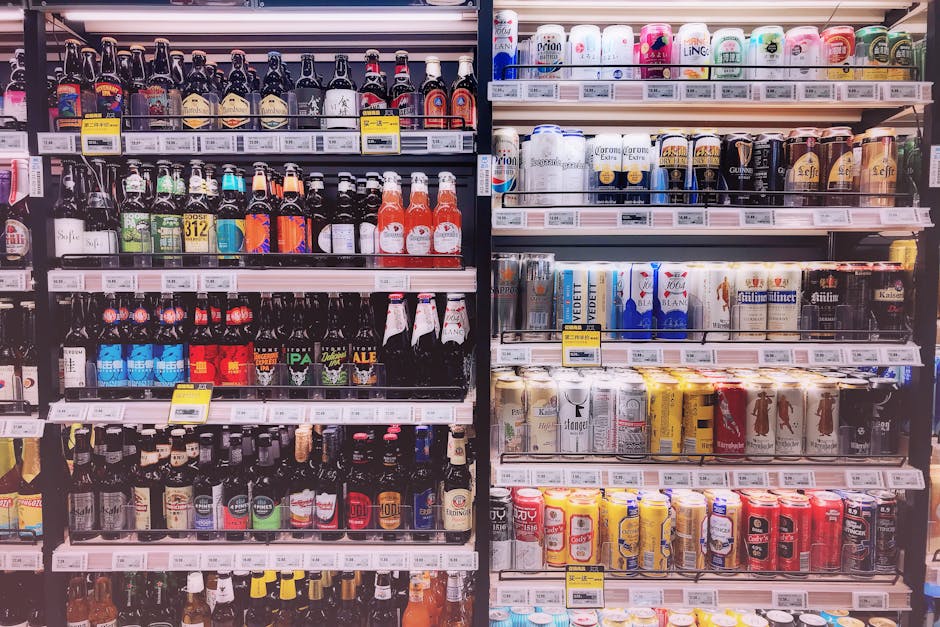

In a continued effort to enhance the sustainability of waste management systems, Hladík has once again proposed a deposit return system specifically for PET bottles and cans. This initiative aims to reduce environmental impact by encouraging recycling and proper waste disposal.
Background of the Proposal

The Czech Republic has long been striving to improve its environmental standards, and reintroducing this deposit system is aligned with those efforts. Originally considered several years ago, the concept was shelved due to logistical challenges and lack of consensus among stakeholders. With increasing environmental awareness, there is renewed momentum to revisit and implement these changes.
The deposit system works by charging a small fee at the point of purchase for each PET bottle and can. Consumers can then reclaim this fee by returning the empty containers to designated collection points. This method has been successfully implemented in several other countries, leading to increased recycling rates and reduced litter.
Impact on Consumers

For everyday consumers, the deposit system presents a behavioral shift. Initially, there may be a learning curve as individuals adapt to the new process of returning containers. However, the financial incentive associated with returning bottles and cans is expected to drive adoption.
Hladík’s proposal stresses education and public awareness campaigns to help ease the transition. By demonstrating the environmental benefits and financial savings, it’s anticipated that consumers will embrace the system more readily, contributing positively to the nation’s recycling efforts.
Economic and Environmental Benefits

The introduction of a deposit system for PET bottles and cans offers dual benefits. Economically, it stimulates the recycling industry, potentially creating jobs and boosting local economies. Companies focused on recycling and waste management are likely to see increased demand for their services.
Environmentally, the potential reduction in plastic waste is significant. With fewer bottles and cans ending up in landfills or polluting natural landscapes, the overall ecological footprint of these products could be substantially diminished. This aligns with the broader goals of reducing carbon emissions and promoting circular economies.
Challenges and Considerations

While the advantages are clear, implementing a deposit system in Czechia faces several challenges. Infrastructure must be developed to accommodate increased collection and processing, which requires investment and coordination among multiple industries and government bodies.
Additionally, concerns exist regarding the initial cost burden on companies and consumers, though proponents argue that long-term savings and environmental benefits outweigh these concerns. Close cooperation between government, businesses, and the public will be essential to address these issues effectively.
Hladík’s renewed proposal reflects the growing global trend of responsible waste management. By adopting such initiatives, Czechia positions itself as a forward-thinking nation committed to sustainable living.